




Table of contents
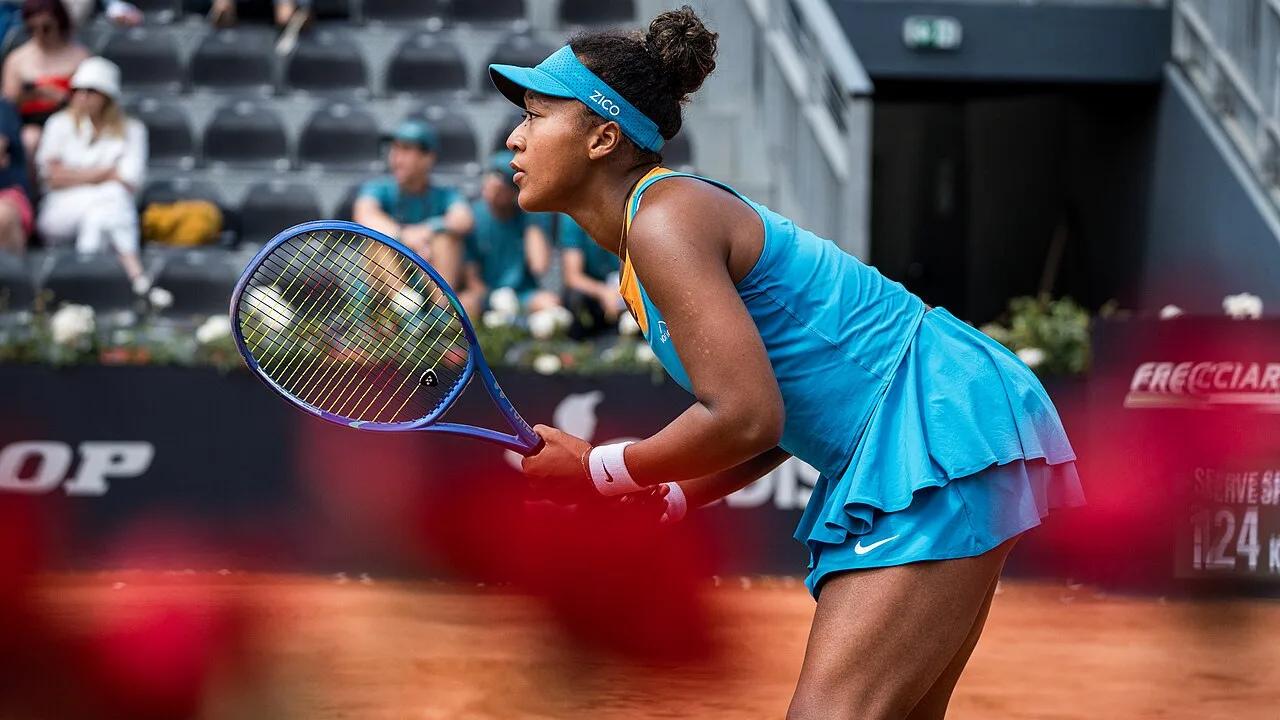
Naomi Osaka Beijing 2026 became one of the most revealing chapters of her autumn campaign, not because she walked away with another trophy, but because a narrow defeat showed just how fine the margins have become at the top of women’s tennis. Osaka pushed Karolina Muchova through three demanding sets at the China Open before falling 7-5, 1-6, 7-6(7) on October 6. Muchova needed nine match points to finish the contest, while Osaka repeatedly found ways to stay in a match that seemed almost over.
The official WTA account described a contest in which Muchova came back from a break down in both the first and third sets. The result matters as a tennis story, but it is also a useful lens on Osaka’s wider career. Her season has shown that a player can make meaningful progress without winning every important match or producing a tidy comeback narrative.
Osaka arrived in Beijing with a history at the tournament. She won the title in 2019, and the return to a familiar venue offered a measure of where her game stands now. Expectations are naturally different for a former world No. 1 and four-time major singles champion. Every strong week prompts questions about whether she is back at her best. Every close loss encourages the opposite story. Neither reaction explains what actually happened on court.
Why the Muchova match became a test of resilience
Early in the match, Osaka built a 4-1 lead in the first set, but Muchova worked back into the contest and took it 7-5. Osaka’s response was decisive: she raced through the second set 6-1 and forced a decider. Those swings reflected two talented players changing patterns and competing for control, rather than a simple collapse or comfortable victory. The match eventually lasted two hours and 52 minutes, demanding concentration well beyond the early exchanges.
Osaka’s public image is often discussed through the clothes and creative details she brings to the court. Wowplus has explored Naomi Osaka’s distinctive tennis style, but the Beijing contest put the competitive side of her identity firmly in focus. She could have faded when the opening set slipped away. Instead, she took command of the next set and made Muchova earn nearly every opportunity in the deciding stages.
One of the most striking stretches came as Muchova served for the match and then tried to close it in the tiebreak. The Czech player had multiple match points before finally converting the ninth with a backhand volley. This does not turn Osaka’s defeat into a secret victory. Muchova won because she played the decisive point better. Yet the resistance makes it difficult to reduce Osaka’s performance to a scoreline alone.


It is also worth resisting the temptation to draw huge conclusions from a single dramatic match. A long contest offers clues about movement, shot selection and competitive nerve, but form is judged across tournaments. Players may recover from narrow losses and produce better performances a week later. They may also need time to address recurring problems. For Osaka, Beijing is evidence of a competitive level, not a promise of what comes next.
Her 2026 results offer a broader picture
Before facing Muchova, Osaka beat Maria Timofeeva in three sets and then defeated Sara Bejlek 7-6(4), 6-4 to reach the round of 16. The Bejlek match was played in difficult wind and cold, and Osaka had to save four set points in the first set. Those earlier rounds show how much work had already gone into the week. Beijing did not consist of one dramatic exit; it was a sequence of tests against different styles and match situations.
Osaka’s place in tennis history is secure because of her major titles, including a breakthrough victory at the 2018 US Open. Wowplus covered Osaka’s first US Open final against Serena Williams at the time. That moment established her as a leading figure in the sport, but the career since then has also been shaped by changes in schedule, public attention and the challenge of maintaining a top-level game over many seasons.
The 2026 major results help keep the discussion grounded. Her official record lists a Wimbledon quarterfinal and a Roland Garros round-of-16 appearance this year. Neither is another Grand Slam title, but both are useful evidence of a player competing deep into important draws on different surfaces. Those achievements should be considered alongside Beijing rather than erased by an October defeat.
Muchova provides an equally important part of the story. Her variety, timing and ability to change pace created problems that power alone could not solve. She fought back when Osaka appeared in control and held her nerve after failing to convert earlier match points. Describing her win as merely an Osaka setback would deny Muchova the credit she earned and obscure why the match proved so demanding for both competitors.

What Osaka can take into the next stage
A return to the sport’s highest level rarely follows a straight line. Established champions are measured against their own most extraordinary moments, while younger rivals are improving and new challengers are constantly arriving. That can make a respectable result feel disappointing to outside observers. The more useful question for Osaka is whether she is repeatedly reaching positions where she can compete with the strongest opponents.
The discussion also touches on recovery and longevity, though there is no basis for diagnosing Osaka’s condition from a result. Modern tennis requires athletes to manage training, travel and match intensity across an extended calendar. Our look at Roger Federer’s approach to sleep and recovery illustrates why the subject attracts attention beyond one player or one tour. Rest matters, but only Osaka and her team can judge the specifics of her preparation and next steps.
For fans, the lesson is to watch the patterns rather than make every tournament a referendum on a career. In Beijing, Osaka showed the familiar ability to dictate play and the resilience to extend an increasingly tense contest. She also lost to an opponent who handled a final pressure point exceptionally well. Both things can be true at once, and a fair account should make room for them.
As the season advances, her results will provide a clearer answer about consistency than any single headline. The China Open produced no trophy for Osaka in 2026, but it provided a serious competitive examination against one of the tour’s most resourceful players. That is why the ninth match point may be remembered even after the tournament winner is crowned: it captured how hard elite tennis can be, even for champions who have already proved themselves.


Isiagu Tobby
Wowplus editorial contributor.