

Table of contents
Tom Scott: England gives a familiar factual presenter a different shape of series. The 2026 project follows a road trip around England’s historic counties, with longer episodes built from encounters on location and storytelling recorded afterwards. It offers an interesting case study in how an established creator can change the format without losing the curiosity that brought viewers in.
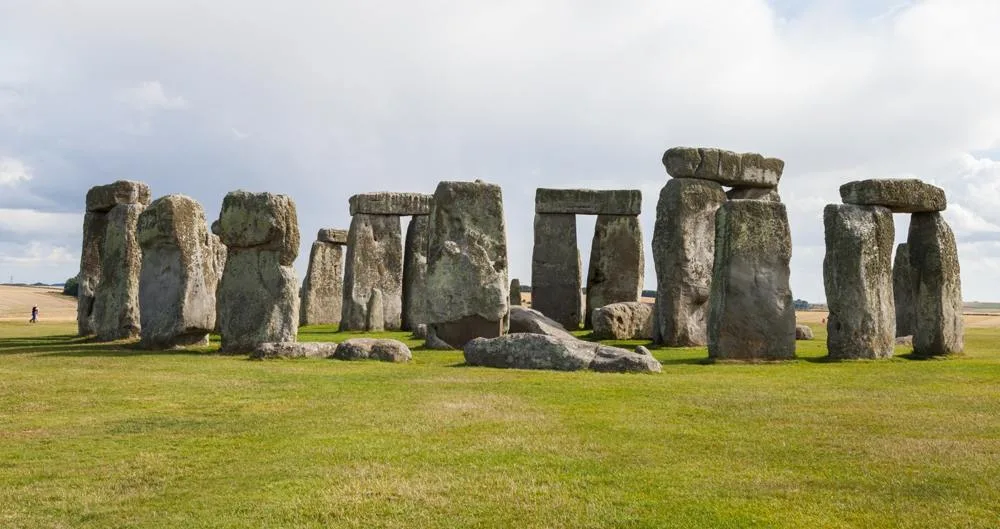
The series is still unfolding. As of November 3, Scott’s official map lists a Wiltshire episode about access to Stonehenge on Nebula, with its YouTube release marked for November 9. That split is useful for viewers to understand: the two platforms do not receive each episode on the same day.
The appeal starts with a question and a person willing to investigate it. Our profile of Mark Rober’s Class CrunchLabs looks at another route from online curiosity towards a structured learning experience. Scott’s project takes that curiosity out onto the road, giving a place and its people room to shape an episode.
A road trip told in a different way
In his March 16 announcement, Scott described filming without a script and telling the story in a studio afterwards. That combination changes what the presenter has to do. On location, he must react to what happens. Later, he can organise the experience into a story that makes sense to someone who was not standing beside him.
The first episode launched on Nebula on March 23, 2026. Scott said each instalment would then appear free on YouTube a week later. The arrangement creates two entry points into the same project, with earlier access on one service and a later public release on another. It should not be mistaken for two unrelated programmes.
His website describes the newer videos as generally running between 15 and 30 minutes. That extra space gives a factual story more room for explanation and encounters. A longer running time still needs a clear purpose, however: the interest lies in what a location makes possible, rather than simply stretching a short video.
The weekly videos had a longer production story
A substantial production team sits behind the road-trip premise. Post-production company Breadbox identifies the project as a 41-episode series made with Scott’s Pad 26 and Penny4. Its account describes working on the edit while filming was still under way, with later studio material joining the location footage.
According to Breadbox, the episodes were completed before the series launched, apart from sponsor segments. That preparation is a revealing part of the creator story. A weekly release can look immediate to an audience even when the difficult work of shaping a whole season has happened months earlier. Publication rhythm and production rhythm are different things.
That distinction also appears in our examination of Marques Brownlee’s reviews, podcast and production team. A recognisable host may provide the connection with viewers, while editing, sound, scheduling and other work sustain the finished programme. England makes that wider production effort part of the explanation for its change in format.
Breadbox describes handling the post-production pipeline, including editorial work, grading, sound and delivery. Its case study records a process that had to adapt while the eventual episode count was still taking shape. For anyone interested in online video as a profession, those details are more useful than assuming every upload is a one-person performance.
A route that leaves room for different interests
The historic-county route provides a framework, but the individual subjects vary. Scott’s map leads viewers towards bells, telescopes, infrastructure, games and local traditions. He explains that the county is often less important to the episode than the story found there, which is why a detailed map does not appear in every introduction.
The same page describes an eight-week trip involving more than 5,000 miles of driving. It also says the release order is adjusted so similar subjects do not sit together. That turns the journey into an editorial sequence: viewers can follow an episode that interests them without treating the series as a compulsory geography course.
Lateral offers another format for curiosity
Alongside England, Scott continues to host Lateral, a weekly comedy panel-game podcast. The show asks guests to work through unusual questions and reach surprising answers. His website separates his hosting role from producing the show and writing its questions, an important distinction when describing how another collaborative format works.
Lateral also has a game book, with questions, clues and background notes designed for readers to explore alone or with other people. It is another example of a format travelling between media. A conversation-driven show becomes something readers can pause over and play through at their own pace, using the same pleasure of reasoning towards an answer.
Our profile of Felicia Day’s work across series, audio and a graphic novel explores a different path through changing formats. Such careers are easier to understand when each project is examined on its own terms, with attention to the collaborators and the experience offered to an audience.
For England, a useful starting point is the official episode map and a subject that catches your attention. The Stonehenge instalment brings the current release schedule into view, while the wider list offers plenty of other routes through the country. The promise is straightforward: follow an interesting question, meet the people who know something about it and see where the encounter leads.

Isiagu Tobby
Wowplus editorial contributor.