

Table of contents
Holland Taylor and Sarah Paulson are often introduced through their relationship before their work. Turning that order around reveals a more interesting picture. These are two performers with separate bodies of work, including stage projects that ask an audience to stay with a complicated character for far longer than a red-carpet interview.
Their public story offers a chance to consider artistic admiration without pretending to know what happens behind closed doors. An interview can establish what someone chose to say. A performance or an award can establish a professional achievement. Neither supplies a complete account of a private partnership.
The useful starting point is therefore specific: Taylor’s writing and performance in Ann, Paulson’s work in Appropriate, and the distinction between appreciating a partner’s career and absorbing that career into a couple’s shared image. Each deserves room to stand on its own.
Our earlier feature on celebrity couples whose relationships do not follow one address examined domestic arrangements. This profile takes a different route, looking at professional identity and public admiration rather than reopening a discussion about where two people should live.
Holland Taylor’s work as a creator
The Television Academy identifies Taylor as an actress and playwright, and records her 1999 supporting-actress Emmy for The Practice. Those descriptions matter together. A familiar television performance can make a person recognisable, while writing a play involves building the material that another audience will encounter.
Ann, her one-woman play about former Texas governor Ann Richards, gives that second part of her career a clear form. PBS’s Great Performances presented the play in 2020, crediting Taylor as both writer and star. It is a theatrical portrait, rather than a recording of Richards herself addressing an audience.
For a viewer, the dual credit changes the question. Alongside how a performer delivers a passage, there is the question of why that passage was selected and how it fits into the evening. The person speaking is also the person who helped decide what the audience would hear.
Different forms of creative work can coexist in a relationship. Our profile of Ted Danson and Mary Steenburgen through their work offers another example of keeping two careers visible. A shared public life does not require treating every achievement as a joint professional production.
Sarah Paulson’s stage work has its own record
Paulson won the 2024 Tony for leading actress in a play for Appropriate. The official Tonys production record identifies the play, while the awards organisation’s later biography names her character as Toni Lafayette. Branden Jacobs-Jenkins wrote the darkly comic family drama.
The distinction between actor and character is worth preserving here too. A role in a difficult fictional family does not reveal an actor’s home life. What it does offer is a particular performance to discuss, with its own collaborators, writing and production history.
Paulson’s award belongs to that work. It need not become a scorecard comparing her with Taylor, whose career has unfolded through different projects and periods. Looking at separate achievements gives both artists more definition than describing one as the more successful half of a couple.
What admiration sounds like in public
In an April 2025 interview with S Moda, Paulson described strong admiration for Taylor’s acting and said Taylor had watched Appropriate around ten times. She also discussed valuing Taylor’s opinion of her work. Those comments provide a concrete example of artistic attention, without inviting a claim that an audience can measure the entire relationship.
The same interview balanced the positive visibility of their relationship with Paulson’s wish to retain ownership of it. That boundary is useful for readers as well: a public example can be meaningful without every private detail becoming available for interpretation.
Our archive of Paulson and Taylor’s earlier public comments dates to 2019. Read it as a record from that period, rather than as a fresh statement about their present plans. Dates help prevent an old interview from quietly becoming supposed new information.
Watch the work, leave room for the people
There is a practical way to follow a creative partnership without turning it into a competition. Pick one project from each person and notice what each asks of its performer. Consider the writing, the setting and the other artists involved before reducing a performance to a name above the title.
That approach also makes room for disagreement. Enjoying one performance more than another is a response to the work in front of you. It does not establish who contributes more to a relationship, whose advice is followed or what a couple should do next.
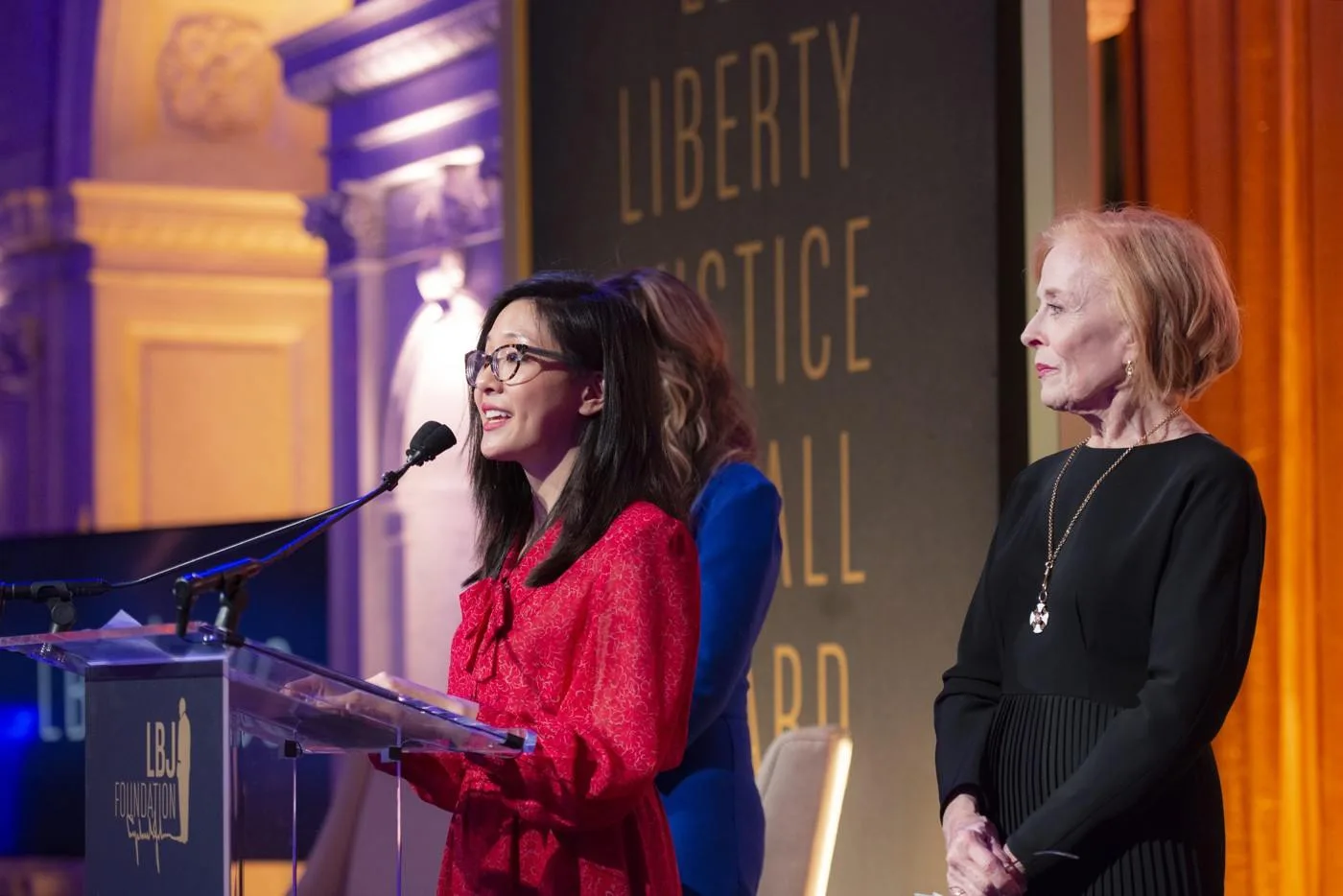
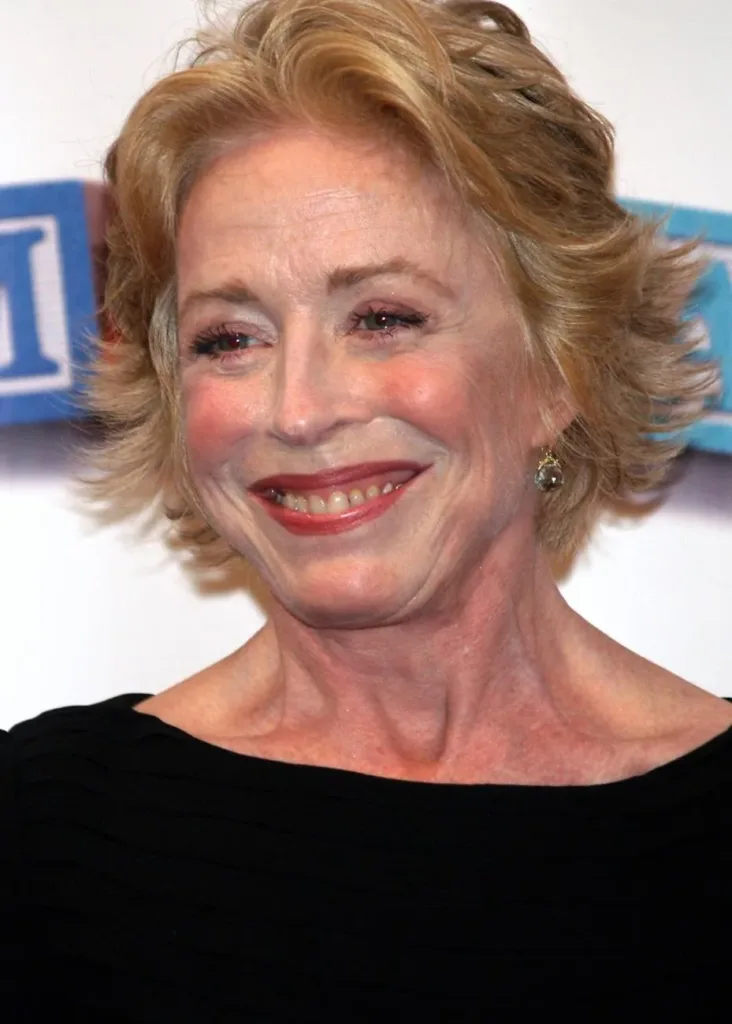
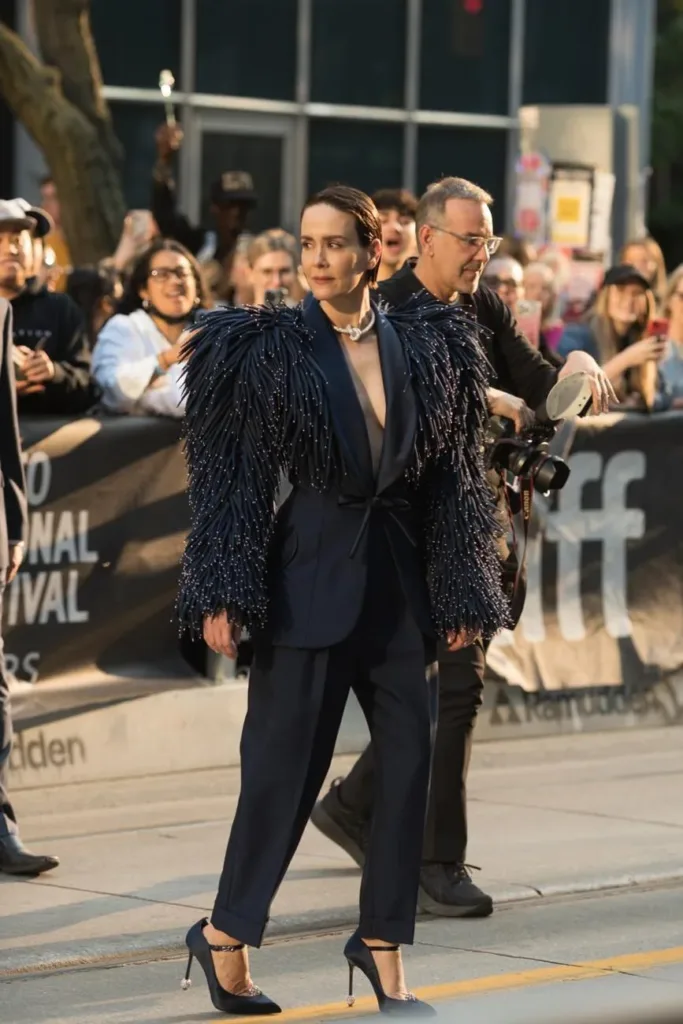
The archive photographs accompanying this profile show separate professional appearances. The featured image places Taylor at a 2020 Library of Congress ceremony alongside Constance Wu and Sunny Hostin; Paulson is not in that photograph. The images illustrate public careers rather than a newly documented joint event.
What emerges is a fuller way to look at two recognisable people: through work they made, recognition that can be checked and comments they chose to share. Keeping those things in view allows admiration to remain specific, while leaving the rest of their lives to them.

Isiagu Tobby
Wowplus editorial contributor.