Table of contents
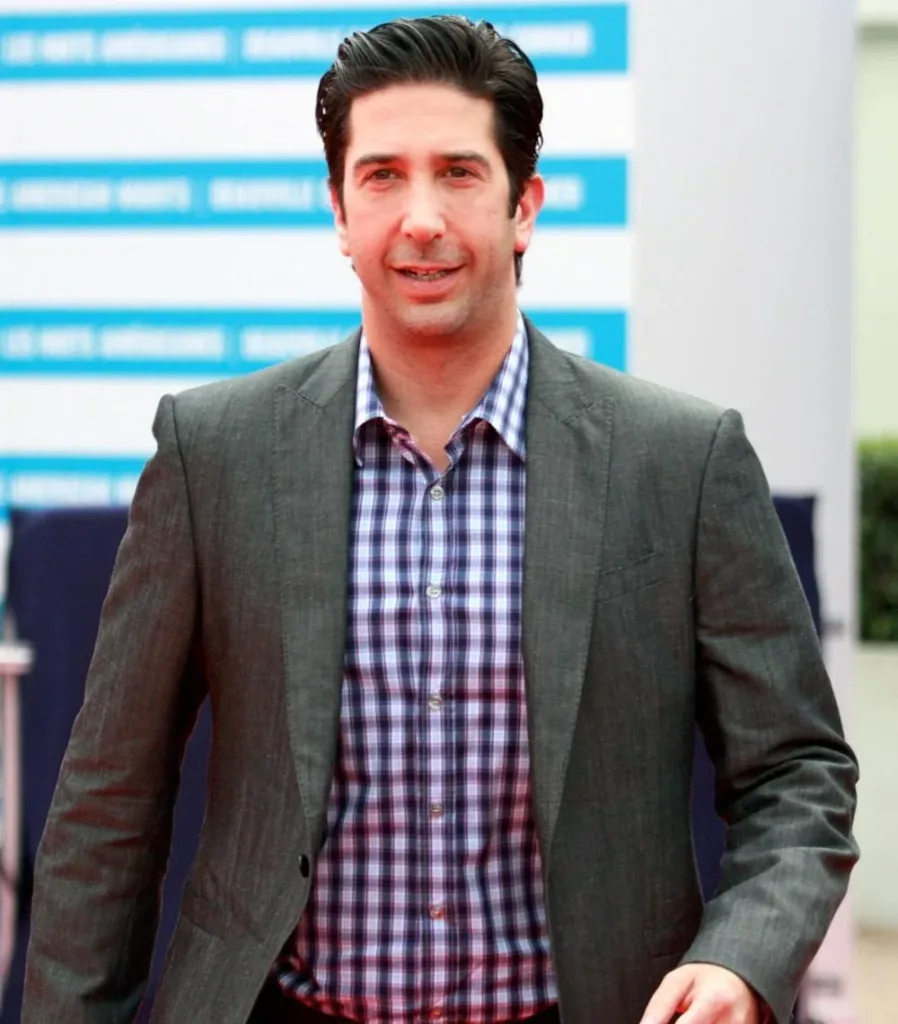
David Schwimmer at 60 is an opportunity to revisit a career that was collaborative before it became famous. He turns 60 on 2 November 2026, having been born on that date in 1966. Ross Geller made his face familiar around the world, but the theatre company he helped establish belongs near the beginning of the story.
Lookingglass Theatre lists Schwimmer as a founding ensemble member from 1988 and, in its biography updated for 2026, as a producing director. Those dates place the company across nearly four decades of his working life. It is a continuing professional connection, rather than an interesting hobby added after television success.
His profile is therefore more than a question about what happened after Friends. There was already work before the sitcom, and other work continued beside and beyond it. Following those strands makes the familiar part of the biography more interesting, because it shows what recognition can leave out.
The same wider perspective informs our look at Jennifer Aniston’s career after Friends. A long-running role gives an audience a strong point of reference. It does not provide a complete inventory of what any member of an ensemble wants to make next.
A company built with fellow students
Northwestern’s Kellogg School revisited Schwimmer’s founding journey in May 2026. Its account describes Schwimmer, David Catlin and six other students forming Lookingglass before graduation in 1988. The company emerged from a group working together, rather than from a television star returning later to lend an established name.
The university’s account emphasises collaboration, transformation and theatrical invention. These are useful terms for understanding an ensemble: the finished work depends on people shaping something together, with each participant’s choices affecting the others. That is different from imagining a production as a vehicle designed around one recognisable performer.
Lookingglass’s own record identifies Schwimmer’s adaptations of Studs Terkel’s Race and Upton Sinclair’s The Jungle among his directing credits. It also records work outside the company, including stage appearances in Detroit, The Caine Mutiny Court-Martial and Some Girls. These credits identify actual productions rather than a general claim that he also likes theatre.
Our account of Kevin Kline’s stage career behind his screen work raises a similar issue. Television and film can make an actor widely recognisable while a different part of the working life remains less visible to people who have never attended the theatre.
Friends supplied a character people kept recognising
The Television Academy’s record identifies Schwimmer’s 1995 supporting-actor nomination for Friends. Ross belongs to the six-person group at the centre of the sitcom, and the character’s relationships depend on the audience knowing the other people around him. The performance is individual, but the comedy lives within that arrangement.
That distinction makes a useful viewing exercise. Watch a familiar scene for the reactions rather than only for the punchlines. Notice who waits, who interrupts and how a small change in expression carries information already established by earlier episodes. Ensemble familiarity can make a brief moment do a great deal of work.
Schwimmer’s theatre biography also lists directing across screen formats, including Run Fat Boy Run and Trust. Moving behind the camera changes the responsibility: a director must consider the scene as a whole, rather than only the part being played. A directing credit should not be confused with authorship of every element in a production.
Goosebumps offered a different tonal mixture
In Disney’s January 2025 interview about Goosebumps: The Vanishing, Schwimmer discussed entering a mixture of horror, action, comedy and drama. He plays Anthony, the father of teenage twins drawn into a mystery. The programme was released in 2025; it is an earlier screen chapter by this birthday, rather than an upcoming debut.
Moving between unease and comedy also appears in Toni Collette’s work across different screen genres. These are separate careers and projects, but both invite a viewer to look beyond the kind of role that first made an actor familiar.
Schwimmer told Disney that the chance to act in horror interested him as something he had not previously done in that form. That is a direct account of what appealed to him at the time. It should not become a claim about every later project or an explanation of his whole career.
A birthday viewed through the work
The strongest source for the theatrical strand is Lookingglass itself. Its biography identifies him as an actor, director and producer across theatre, television and film. Keeping those roles distinct explains more than collecting them into a vague description of versatility.
There is no need to choose between the famous sitcom and the less familiar stage credits. One shows how a performer became part of a widely shared television memory. The other gives that public image a longer working history, involving a company and collaborators whose story does not begin or end with Ross.
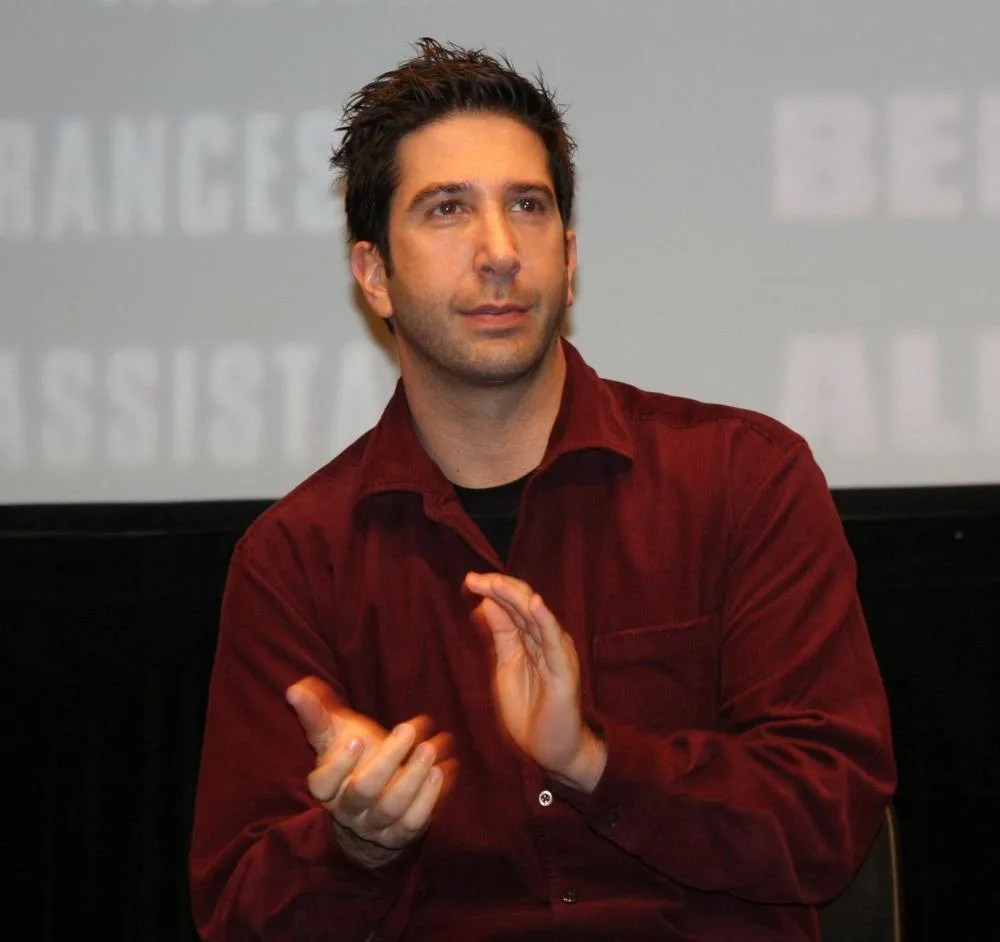
At 60, Schwimmer’s biography is best read across that full span. The archive photographs show earlier appearances, not a newly verified birthday celebration. The continuity worth noticing is in the work: a familiar television face who has kept returning to the collective task of making a production.

Isiagu Tobby
Wowplus editorial contributor.