

Table of contents
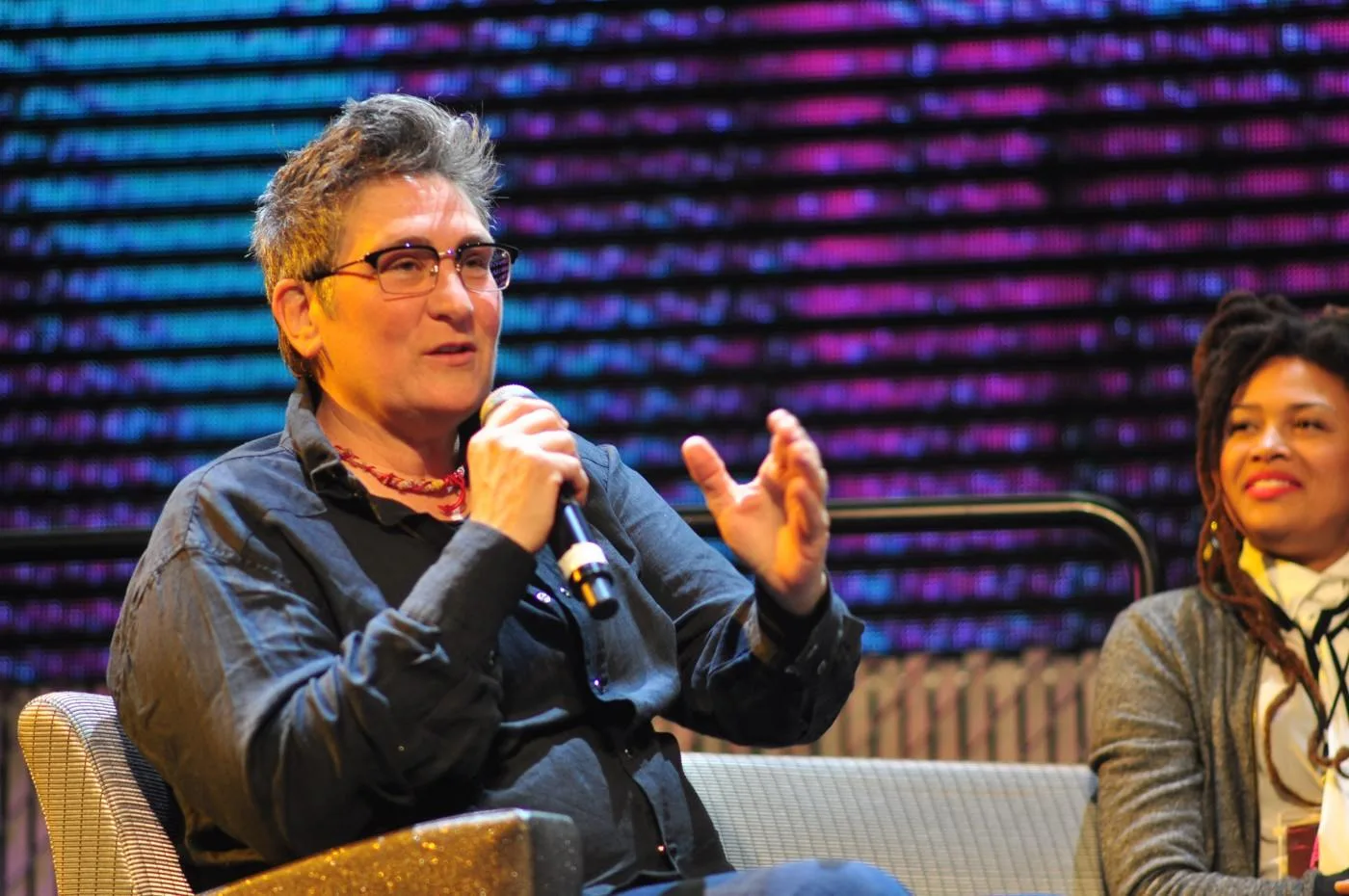
k.d. lang at 65 still offers a useful challenge to the way music careers are filed away. Born on November 2, 1961, the Canadian singer reaches the milestone today with a catalogue that moves through country, pop, standards and collaborations. The connecting thread is a recognisable voice rather than a fixed musical category.
There is a timely reason to revisit that range. The case/lang/veirs album returned in a tenth-anniversary edition on September 4, 2026. Listening to lang alongside Neko Case and Laura Veirs places her inside a shared songwriting project, adding another perspective to a career often introduced through one famous song.
Her Canadian beginnings remain part of that story without defining every later choice. Our coverage of Shania Twain’s return to her Canadian roots explores another artist’s relationship with place and musical identity. Lang’s route is her own: a series of changes that become more interesting when heard together.
Country roots and a voice moving outward
The Canadian Music Hall of Fame traces her early breakthrough through the Reclines and the independent album A Truly Western Experience. Her major-label American debut, Angel with a Lariat, arrived in 1987 with producer Dave Edmunds. Its place in the timeline matters because the later, smoother recordings did not arrive without an earlier country chapter.
Shadowland followed in 1988, bringing her together with producer Owen Bradley. Brenda Lee, Loretta Lynn and Kitty Wells appeared on its Honky Tonk Angels’ Medley. Those connections placed lang in conversation with an existing musical tradition, even as her presentation and choices made her difficult to reduce to an ordinary revival act.
Absolute Torch and Twang, released in 1989, carried that story forward. The Recording Academy lists its Best Female Country Vocal Performance win at the 1990 Grammys. It also records the 1989 country collaboration win for Crying with Roy Orbison, illustrating how a distinctive solo identity could sit comfortably alongside another unmistakable singer.
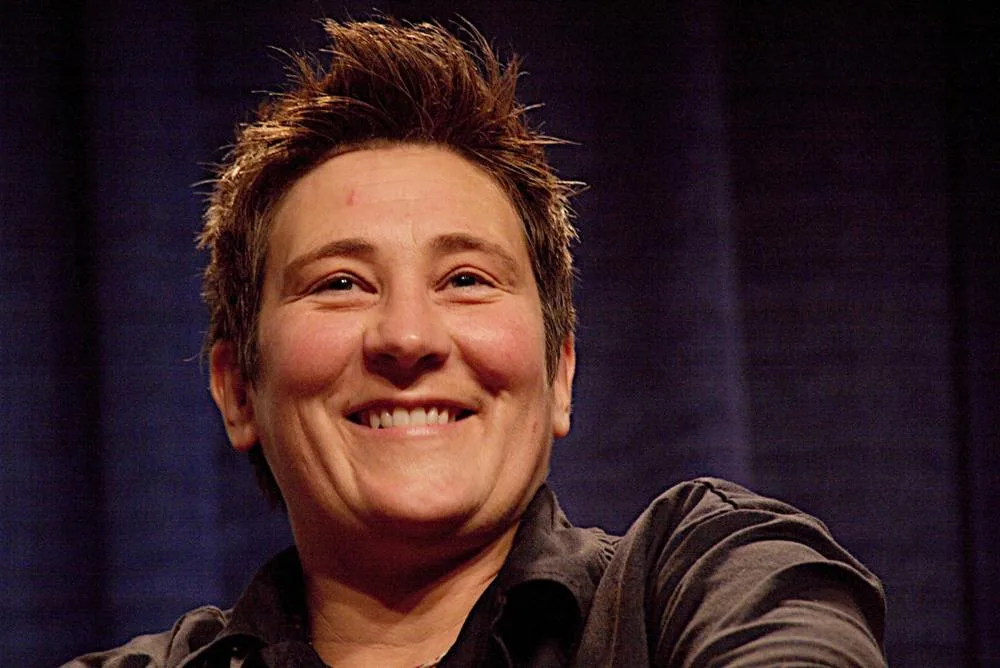
Then came Ingénue in 1992 and Constant Craving. The song won Best Female Pop Vocal Performance at the 1993 Grammys, while the album and single also received major-category nominations. Read side by side, those records show an artist being recognised in different musical fields, rather than simply repeating an early success.
The awards tell more than one story
The distinction between a nomination and a win is worth keeping clear. Lang’s Academy record lists four wins and 15 nominations across her career. For readers following how the system works today, our 2027 Grammy dates and voting explainer separates the nomination process from the later awards ceremony.
Her collaboration with Tony Bennett offers a different listening route. A Wonderful World won Best Traditional Pop Vocal Album at the 2004 Grammys. It places lang in an established song tradition with a partner whose phrasing and personality are central to the encounter. The partnership belongs alongside her songwriting achievements, rather than outside the main career.
Another revealing stop is Hymns of the 49th Parallel, released by Nonesuch on July 27, 2004. The album gathers work by Canadian writers including Joni Mitchell, Leonard Cohen, Neil Young, Jane Siberry, Ron Sexsmith and Bruce Cockburn. Its organising idea is a personal Canadian songbook rather than a collection chosen around one genre.
Lang’s interpretation of Cohen’s Hallelujah later reached the Vancouver 2010 Winter Olympics opening ceremony. Team Canada’s retrospective includes it in the cultural presentation at BC Place. That performance gave a song from her recorded repertoire a very different setting: a national ceremony watched by people who might never have bought one of her albums.
A catalogue with more routes inside
The breadth continued away from the most familiar recordings. Nonesuch’s catalogue includes Watershed from 2008, Recollection from 2010 and Sing It Loud from 2011. Its 2021 release Makeover gathered dance remixes originally made between 1992 and 2000. Even a retrospective could reveal a different side of material listeners thought they already knew.
For a wider sense of the songwriting culture surrounding these records, our archive remembers Gordon Lightfoot’s place in Canadian music. Lang’s songbook project is distinctive because interpretation is itself the point: familiar writing can take on another shape when a different voice leads a listener through it.
The collaboration revisited in 2026
The collaborative case/lang/veirs album makes the singer-songwriter relationship more explicit. Released on June 17, 2016, it brought three artists together for 14 original songs. The label describes a writing process lasting two and a half years, giving the record a foundation in shared creation rather than a one-off guest-vocal exchange.

This year’s anniversary edition adds Accidental Tattoo and 12 live recordings from the original tour. Its track list includes a live Constant Craving as well as songs associated with her collaborators. That is an inviting way back into the project: a familiar entry point can lead a listener towards the other writers and the group’s exchanges.
A birthday need not turn that catalogue into a ranking. One listener may begin with Crying, another with Ingénue, and another with the Olympic performance. Moving beyond that first encounter is the reward. At 65, lang’s recorded work still offers several doors into a career whose personality survives every change of musical setting.

Isiagu Tobby
Wowplus editorial contributor.