

Table of contents
Starting a sketchbook can begin with a pencil, some paper and one object already in your home. The first page does not have to establish a style or prove that you can draw. It can simply record what you noticed today: the shape of a cup handle, the folds in a bag or the outline of a plant beside the window.
Choose a book that feels comfortable to open and use. A modest notebook you already own may be enough for pencil sketches, while loose sheets kept together can also work. Try a small mark on a spare page before adding wet materials, since ordinary writing paper may not suit paint or heavy washes.
The aim is similar to creating a family recipe collection: keep a useful record without making the project so elaborate that it becomes difficult to continue. A sketchbook can hold experiments and reminders alongside drawings. There is room for a page that remains unfinished because something else caught your attention.
Give the first pages a manageable job
The Getty Research Institute describes sketchbooks as flexible places for recording observations and trying out ideas. That history is reassuring when a blank page feels too important to spoil. You are opening a working space, so the first useful question is what you want to look at, rather than what you want to display.
For an easy opening exercise, divide a page into four small spaces. Draw the same familiar object from a different direction in each one. A shoe, mug or set of keys gives you something definite to examine. Smaller drawings can keep the task bounded, particularly when a full page seems intimidating.
Start by noticing the outer shape and the largest relationships. Is the object wider than it is tall? Where does the handle sit compared with the rim? Put down light lines and look back at the object often. The aim of this first attempt is to observe a few things carefully, rather than render every detail.
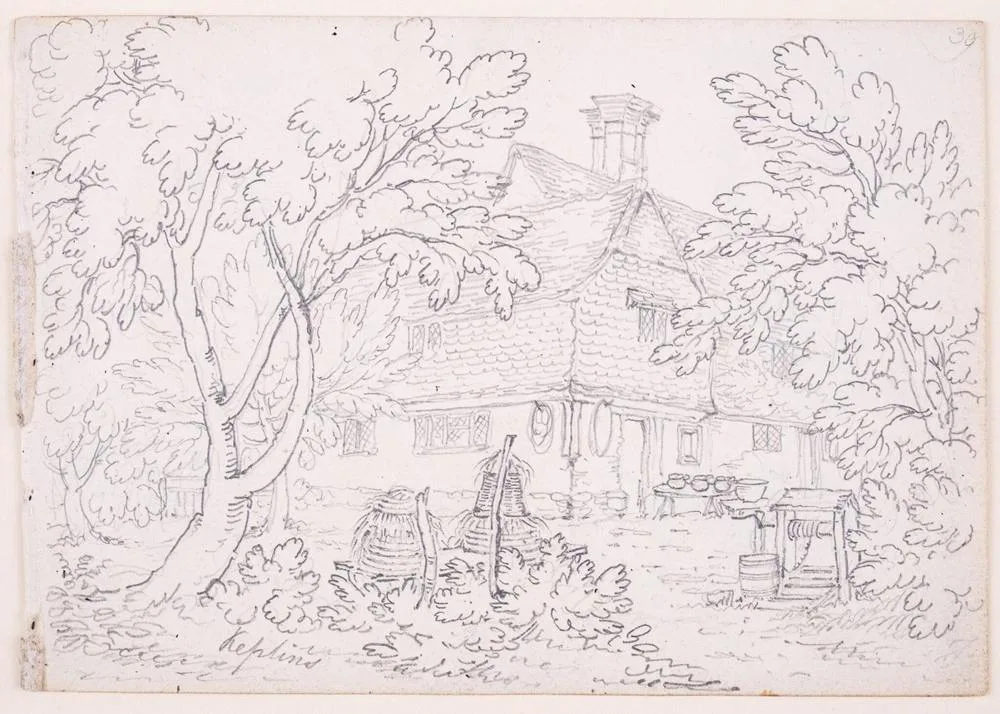
Leave the result where it is and add a short note about what was difficult or interesting. You might write that the handle looked smaller when viewed from above, or that the darkest shadow fell under the base. Those notes give the next drawing a starting point without requiring a formal lesson plan.
Let familiar places supply the subjects
A chair, a kitchen shelf or a pair of shoes can provide another page. In its 2026 drawing activity, the National Gallery of Art invites people to examine belongings they use frequently and consider why those objects matter. Try choosing something with a personal association, then put that association beside the sketch in a sentence.
Outside, the patient attention involved in beginner birdwatching can also guide a drawing session. You might record the shape of a leaf or the arrangement of branches from a comfortable spot. Stay on permitted paths and choose a subject you can observe without disturbing wildlife or other people.
If a moving subject makes the page difficult, switch to something still. A bench, doorway or flowerpot allows you to look again without chasing the scene. You can also record an impression with a few marks and words, then move on. A sketchbook need not become a test of how long you can keep one subject in view.
Use notes and experiments as part of the page
University of the Arts London’s sketchbook guidance includes drawings, annotations, colours and other visual references among the ways people document experience. It also discusses revisiting ideas. For a personal book, a useful note might be as brief as the date, a place name or a reminder to try the subject again.
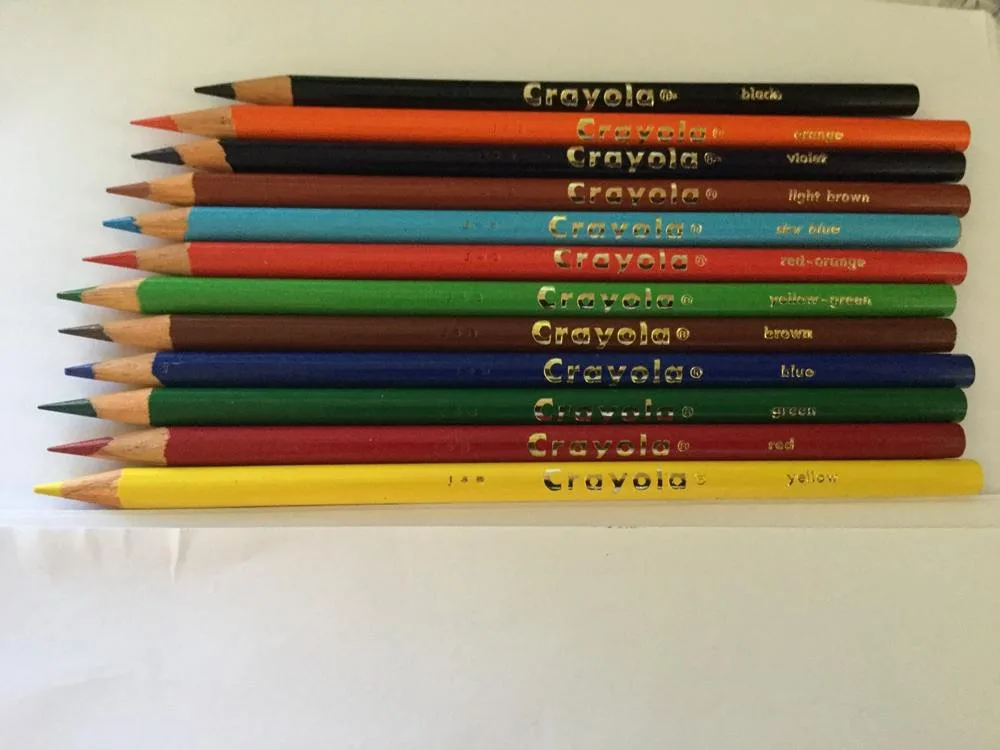
Set aside one page for testing what your pencil can do. Make a few light and dark marks, vary the pressure and compare a broad patch of shading with a thin line. If you later add colour, try it on the same test page first. You can refer back to it instead of repeatedly guessing how a material behaves.
Keep other people’s work clearly distinguished from your own observations. When studying an artwork or using a reference photograph, note the artist or source next to the exercise. That small habit preserves the context of the page, especially if you later decide to share a drawing or develop it into another project.
Build a routine that fits the way you live
For a change of setting, planning a museum visit can include time for drawing where it is permitted. Check the particular venue’s current rules first. The National Gallery of Art, for example, welcomes sketching with lead or coloured pencil and limits sketchbooks to 12 by 17 inches or smaller.
At home, try a short session linked to an existing quiet moment. Five or ten minutes is a possible starting point, rather than a quota you must meet. Keep the book and pencil somewhere convenient, and return to a familiar object when choosing a new subject starts to feel like extra work.
After a few sessions, look through the pages for things you want to explore again. Perhaps you enjoyed drawing textures, or found that a written observation helped you begin. Let that guide the next page. A sketchbook becomes personal through these ordinary choices, one drawing, question or unfinished idea at a time.

Isiagu Tobby
Wowplus editorial contributor.