Table of contents
Winona Ryder at 55 reaches a birthday with one of her longest-running characters now complete. On 29 October 2026, Joyce Byers is no longer waiting for the final chapter of Stranger Things: the series finished its release at the turn of the year. That gives this anniversary a useful perspective, looking back across a career that has repeatedly found a place for people who do not quite fit their surroundings.
Born on 29 October 1971, Ryder moved from teenage film roles into literary adaptations and, later, a television story followed over a decade. Her work does not reduce neatly to one comeback or one generation’s nostalgia. The same filmography contains a restless March sister, a socially constrained New Yorker and a mother determined to be heard when something has gone terribly wrong.
Winona Ryder at 55: a career beyond one era
In a 2016 conversation with Interview magazine, Ryder identified Lucas, released in 1986, as the early film closest to her own experience. She also recalled being absorbed by Heathers and recognised aspects of her younger appearance in Beetlejuice‘s Lydia. Those reflections help explain why the early roles still feel personal without requiring every character to be treated as autobiography.
Longevity changes the way a filmography is read. A performance first encountered as a new release can later become a discovery for someone who knows the actor through television. Wowplus’s look at Alfre Woodard’s career from Cross Creek to The Boroughs follows a similarly broad view of screen work, where individual roles belong to a longer, less predictable journey.
Two literary roles, two different kinds of pressure
Ryder’s Academy Award nominations came in consecutive ceremonies. She was nominated for supporting actress for The Age of Innocence at the 1994 awards, then for leading actress for Little Women in 1995. These were nominations, not wins. Together they mark a period in which her screen identity extended well beyond the contemporary teenagers associated with her earlier films.
Martin Scorsese’s The Age of Innocence places her May Welland inside the elaborate social rules of nineteenth-century New York. Daniel Day-Lewis plays Newland Archer, engaged to May but drawn to her cousin, played by Michelle Pfeiffer. The film’s setting makes reputation and expectation part of the action. What people can admit openly matters as much as what they privately want.
The 1994 Little Women gives Ryder another relationship to convention as Jo March. Sony’s account of the film introduces the four sisters growing up under Marmee’s care while their father is away at war. Jo’s energy belongs to a family story about independence, affection and change. Set beside May, the role shows how different the pressures around a young woman’s future can look.
Returning to Lydia without freezing her in time
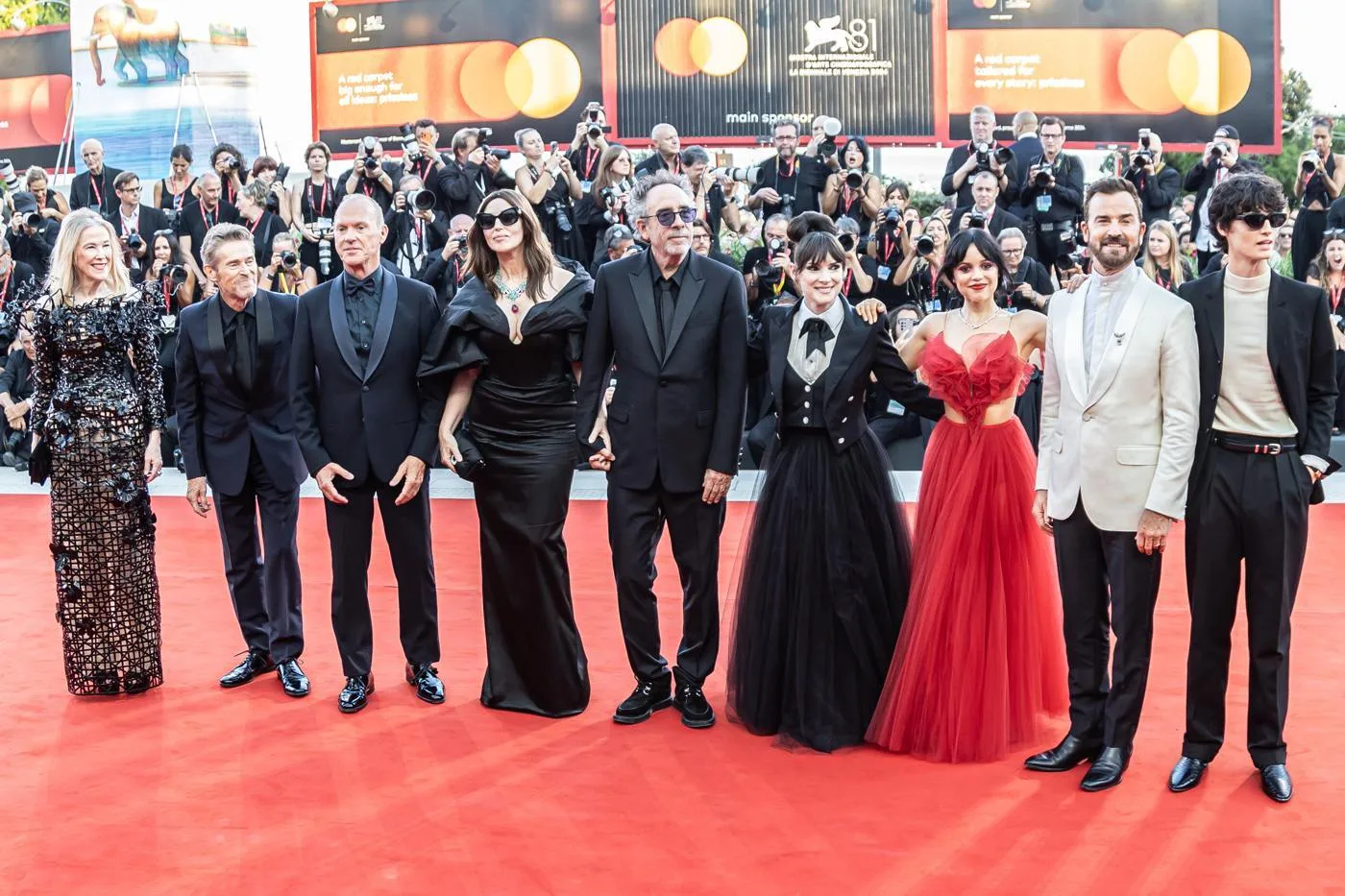
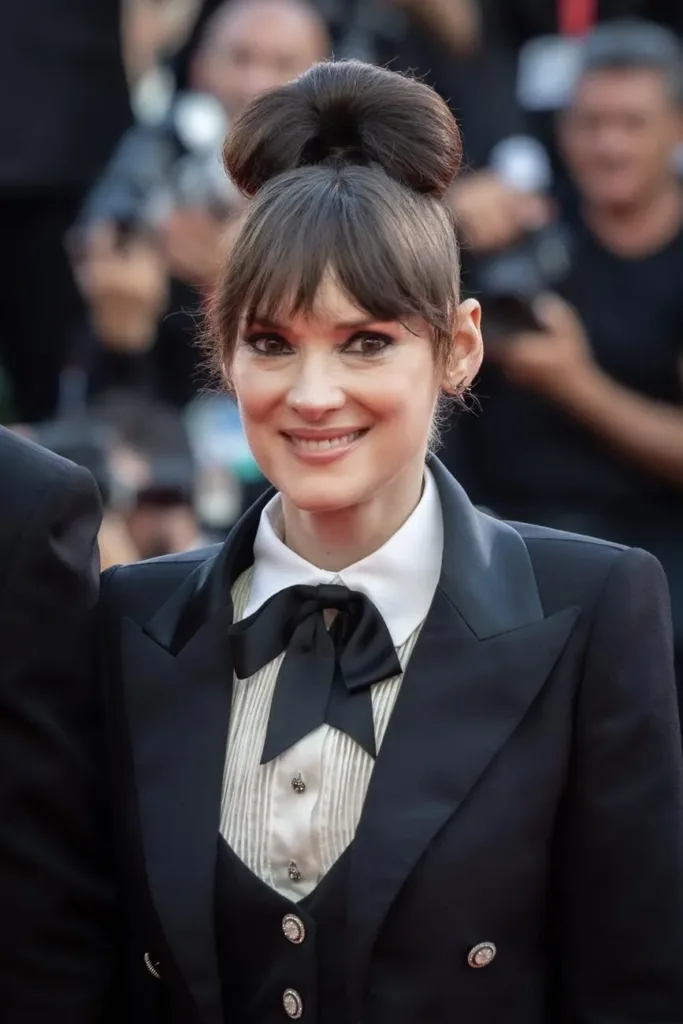
In Beetlejuice Beetlejuice, released in 2024, Lydia returns as a mother with a teenage daughter, Astrid, played by Jenna Ortega. Tim Burton directs, with Michael Keaton and Catherine O’Hara also returning. The younger performer brings her own established audience, explored in Wowplus’s feature on Jenna Ortega’s changing screen presence, into a world associated with an earlier generation.
The sequel’s official synopsis brings three generations of the Deetz family back to Winter River after a tragedy. Astrid discovers the model town in the attic, and a portal to the Afterlife opens. Lydia’s past therefore becomes a problem inside her present family life. The story can revisit familiar images while allowing the character to occupy a different place within them.
That distinction matters for a returning role. Recognition supplies part of the attraction, but a character who has aged also carries changed responsibilities. In a 2024 Harper’s Bazaar interview, Ryder spoke about admiring Ruth Gordon’s long working life. Her interest in an older performer’s career offered a wider horizon than simply preserving the image audiences first remembered.
What a decade as Joyce added
Reflecting on the final season for Netflix, Ryder described the emotional experience of working with the cast over ten years. She singled out watching the younger actors grow up as a particularly meaningful part of the job. The production’s length gave her something a single film could not: time to live with a character as the people around her changed.
Joyce’s relationships supplied continuity within the show’s expanding supernatural story. Earlier Wowplus coverage traced Joyce and Hopper’s Stranger Things relationship while that story was still unfolding. Ryder’s later reflection emphasised their shared history and the comfort the characters found in knowing each other for so long.
She also spoke about wanting Joyce to have flaws, rather than presenting an ideal mother. That is a useful way to approach the performance without reducing it to a list of dramatic moments. Fear, affection and uncertainty could coexist. The character’s emotional intensity came from having something to lose, not from always knowing the correct answer.
Winona Ryder at 55 is therefore a chance to revisit a body of work with more than nostalgia in mind. The literary heroines, the returning Lydia and the completed Joyce each belong to a different screen world. What connects them is the possibility of being recognisable without becoming simple. Across changing formats and audiences, that has given viewers reasons to keep watching.

Isiagu Tobby
Wowplus editorial contributor.