Table of contents
Spotify Q3 2026 results put the company’s growing audience beside a broader entertainment business. The October 22 release reported 306 million Premium subscribers, up 9% from a year earlier, and 788 million monthly active users, up 11%. Around the same period, Spotify was introducing new ways for podcast creators to offer memberships and earn from their work.
The quarter’s headline revenue was €5.0 billion, a rounded figure for €4.969 billion in the shareholder presentation. Reported revenue increased 16% year on year, or 14% on the company’s constant-currency basis. Operating income reached €672 million, while gross margin was 33.0%. Each figure measures a different part of the business.
Those distinctions are useful alongside our look at Spotify’s royalty payouts. A platform’s revenue, its operating income and payments flowing to rights holders do not represent the same thing. The quarterly results describe the company as a whole, without revealing the income of an individual artist, author or podcast producer.
Start with the reporting period and categories
The Spotify announcement is a third-quarter report, rather than a full-year result. Its shareholder presentation lists Premium revenue of €4.487 billion and ad-supported revenue of €482 million. Those financial categories offer another view of the business from the user totals that tend to lead the headline.
A comparability note deserves attention too. Spotify says some revenue-generating activities moved from the ad-supported segment to Premium from January 1, 2026, following changes in management reporting. Earlier periods in the presentation were reclassified to match. That makes the company’s own like-for-like comparisons more useful than mixing figures taken from different reporting versions.
The financial summary establishes growth during the quarter. Product announcements provide additional context, but a new feature announced around the earnings date cannot automatically be credited with causing that growth. Some initiatives arrived after the quarter ended, while others were still rolling out. Keeping those dates separate gives a clearer account of what the results show.
A membership is a different relationship with a fan
Spotify announced the rollout of podcast Memberships on October 20, initially across 34 markets. Eligible creators can offer combinations of exclusive audio or video, bonus episodes, early access and other benefits. The company describes multiple tiers and pricing options, allowing a show to shape an offer around its particular audience.
In supported markets, both Free and Premium listeners can find a show’s membership options. That distinction matters: paying for a podcast membership and holding a Spotify Premium subscription are separate arrangements. The announcement says creators retain 90% of the membership revenue they generate, while access depends on the programme’s eligibility and market rules.
The focus on committed audiences connects with the fandom explored in our coverage of Spotify Closer and K-pop fans. The products serve different purposes, but both illustrate how a listening platform can add experiences around an existing connection. For memberships, the business question is whether fans value the specific offer enough to join.
Creator tools have their own rollout timetable
Memberships sit beside the Spotify Partner Program, rather than replacing it. In September, the company announced an expansion to more than 35 new markets during the autumn, including Italy, Spain, Brazil, Mexico and Colombia. Its October earnings update describes that expansion as part of the wider set of opportunities available to eligible creators.
The programme includes Premium video revenue and advertising opportunities. Spotify also describes tools for managing embedded sponsorships, with creators keeping the revenue from those sponsorships. For viewers of participating video podcasts, the arrangement can remove dynamic ads for Premium users while leaving the creator’s own sponsorship messages in the show.
These details explain why a single claim about ‘what Spotify pays creators’ can be too broad. Memberships, video engagement, advertising, sponsorships and music royalties involve different systems. A creator’s eligibility, audience and agreements all matter. The quarterly audience total is context for those opportunities, rather than a promise that any particular show will earn a particular amount.
More ways to use the same platform
There is a listener-side element as well. September’s Taste Profile beta announcement offered eligible adult Premium listeners in the U.S. more control over their Home recommendations, following testing in New Zealand. It lets users review Spotify’s interpretation of their interests and provide guidance across music, podcasts and audiobooks.
That wider listening mix also runs through our feature on Spotify’s audiobook business. Music, spoken-word shows and books can bring different reasons to open the app. Their presence together does not establish that every feature, catalogue option or payment arrangement is available in every country or on every plan.
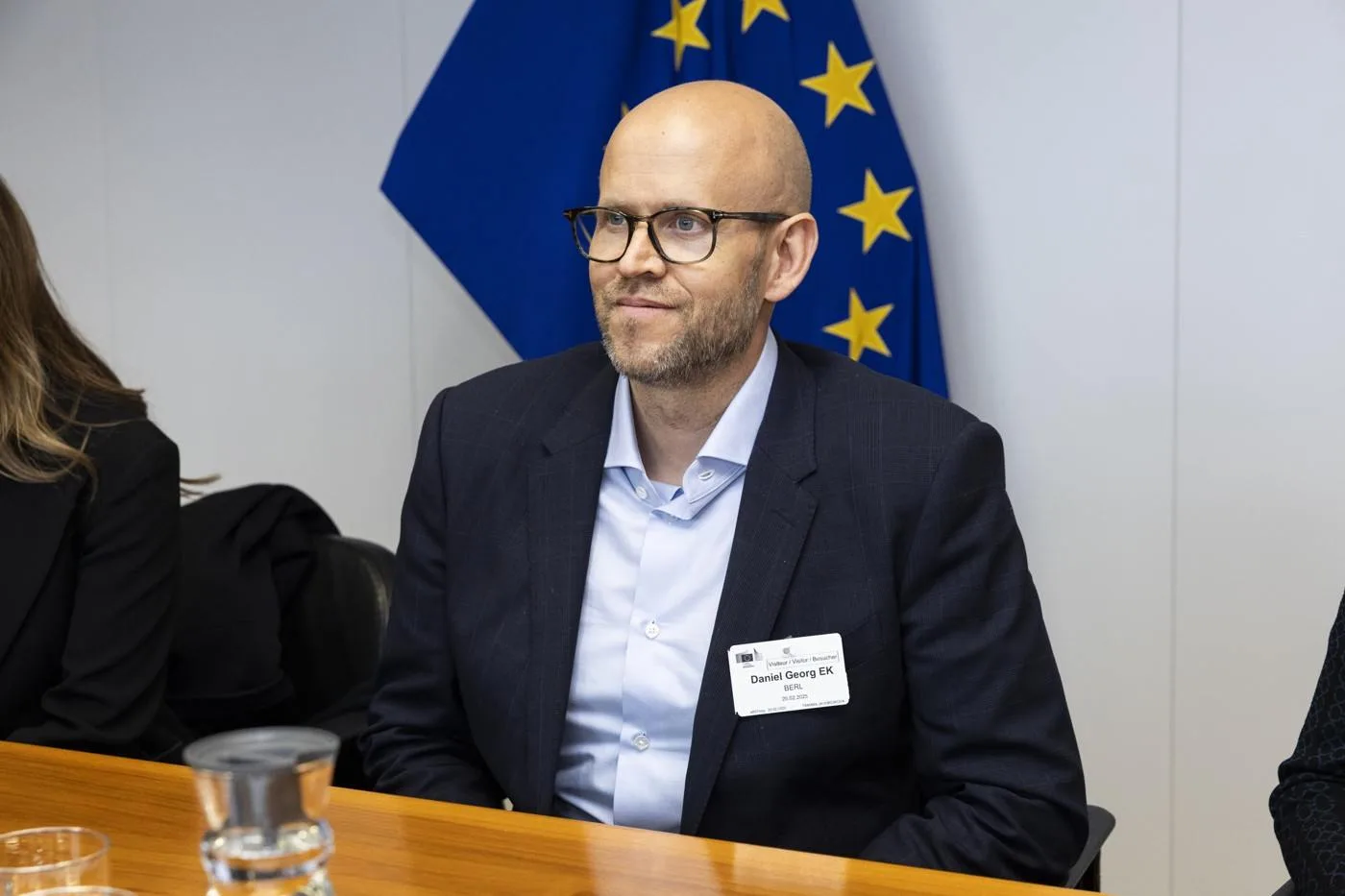
The quarter was reported under co-CEOs Alex Norström and Gustav Söderström, who began those roles in January 2026. Founder Daniel Ek is executive chairman, a separate position. That arrangement places the quarter in the first year of the new leadership structure, with an established founder continuing in a different role.
The clearest picture is therefore a growing platform with several distinct relationships around entertainment. Subscribers and monthly users describe audience scale; revenue and operating income describe financial performance; memberships and partner tools describe particular business options. Reading those layers together makes the latest quarter more informative than a subscriber milestone on its own.

Isiagu Tobby
Wowplus editorial contributor.