Table of contents
IKEA ownership is more complicated than a familiar founder’s name above a worldwide furniture business. Ingvar Kamprad created the company, but that history does not make all the assets associated with the IKEA name part of one person’s private fortune. The foundations behind the business are essential to understanding the difference.
Kamprad died in January 2018. A profile written today therefore needs to distinguish his historical personal wealth from the organisations that continue operating after him. It also needs to separate a family connection from a legal right to take an organisation’s assets.
Begin with the business, rather than a fortune estimate
There is no single company called IKEA that accounts for every activity under the brand. IKEA’s own explanation describes a franchise system: Inter IKEA Systems B.V. owns the IKEA Concept and acts as worldwide franchisor, while other groups operate retail businesses through franchise agreements. The shop a customer visits is one part of that arrangement.
That is a different structure from the listed-company shareholdings explored in our account of Ralph Lauren’s shares and business wealth. A familiar name can appear in both stories, while the actual ownership evidence requires a different kind of document.
The most useful question is therefore not simply how much IKEA is worth. Ask which entity is being discussed, who owns it and what kind of figure is being quoted. A brand, a retail group, a holding company and a foundation can appear together without becoming interchangeable.
Two ownership strands need separate names
Inter IKEA Foundation says it is the ultimate owner of Inter IKEA Holding B.V. Based in Liechtenstein, it was established in 2023 following a demerger of Interogo Foundation. Its stated purpose is to protect the independence and longevity of the IKEA Concept and the reserves needed to support that purpose.
The foundation also says the Kamprad family neither owns nor controls it. Its explanation excludes individual beneficiaries and says its resources can be used only for the foundation’s purposes. A family member’s possible employment or board fee is described as recompense on ordinary terms, not a right to receive the foundation’s assets.
Founder identity and company activity need similar care in James Dyson’s reported business figures and wider interests. In either case, attaching a founder’s surname to an enterprise is only the beginning of the ownership question.
The INGKA strand is separate. The IKEA Foundation’s governance explanation says Kamprad transferred ownership of Ingka Group to INGKA Foundation in 1982. It identifies INGKA Foundation as the group’s sole shareholder and describes Ingka as the operator of the majority of IKEA stores globally.
That same explanation distinguishes INGKA Foundation, IKEA Foundation and IMAS Foundation as separate legal entities with different roles. Dividends, investment management and charitable grants sit within an organisational arrangement. The IKEA Foundation says no person is entitled to the assets of any of those three foundations.
A large sales figure is a different measurement
In its release dated 16 October 2025, Inter IKEA reported worldwide IKEA retail sales of €44.6 billion for financial year 2025. It explicitly included products, food and services sold by thirteen groups of franchisees. This is a dated historical example of a system-wide sales measure, not a newly reported personal fortune or a claim about FY26 results.
Even a correctly quoted number can become misleading when its label disappears. Sales measure activity during a period. They do not show how much cash was retained, which costs were paid or what an individual could receive. The size of the retail system cannot be copied directly into a founder’s wealth profile.
The distinction also matters in acquisition coverage, including the headline valuation in Sara Blakely’s Spanx deal. A transaction value and a retail-sales total are different figures, but both need their original meaning kept alongside the number.
The founder’s legacy is still visible
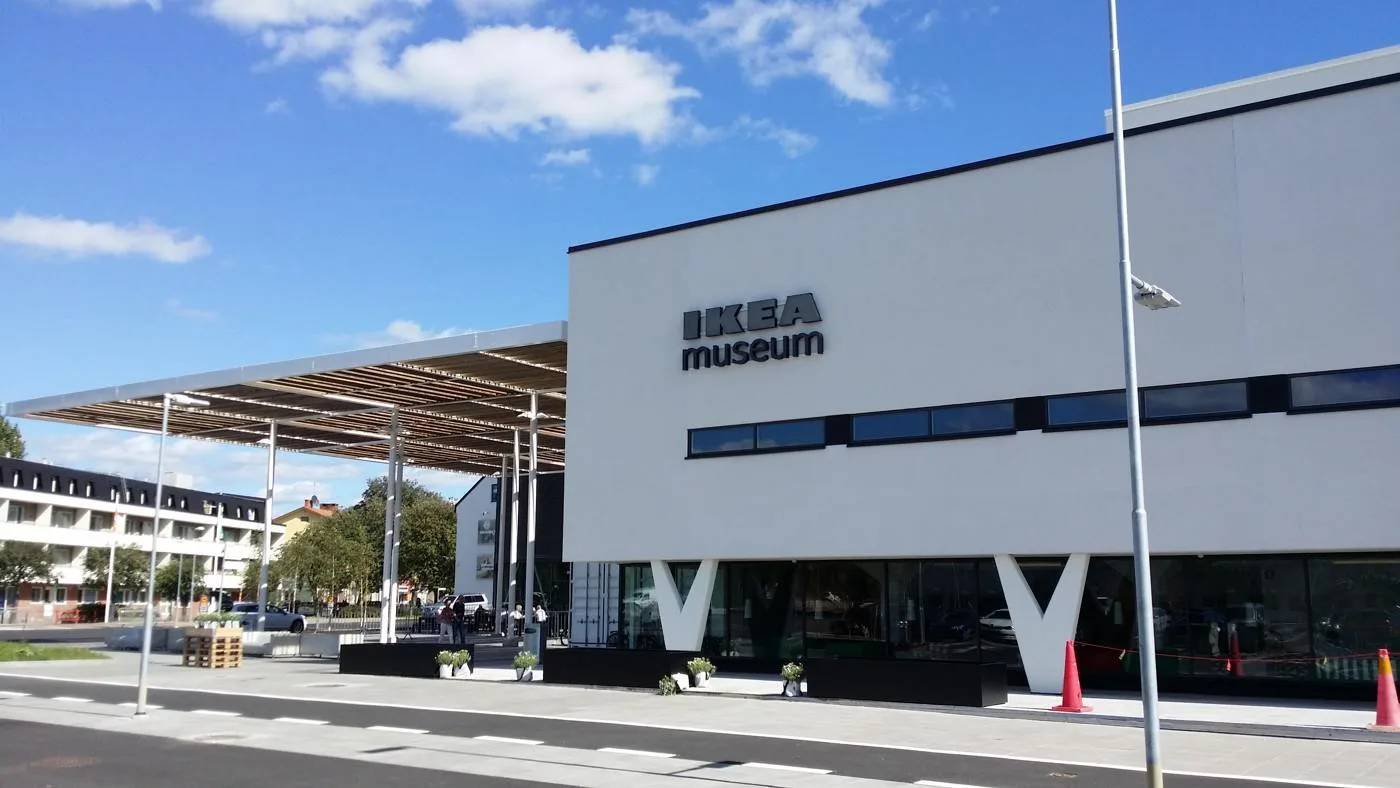
IKEA Museum places the opening of the first IKEA store in Älmhult on 28 October 1958. That original store closed in 2012, and the building later became the museum. The history gives a physical setting to the business’s growth without turning a historical building into evidence of today’s family assets.
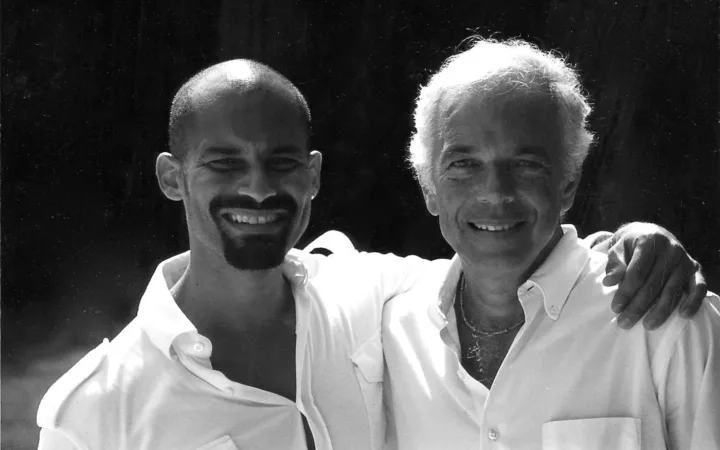
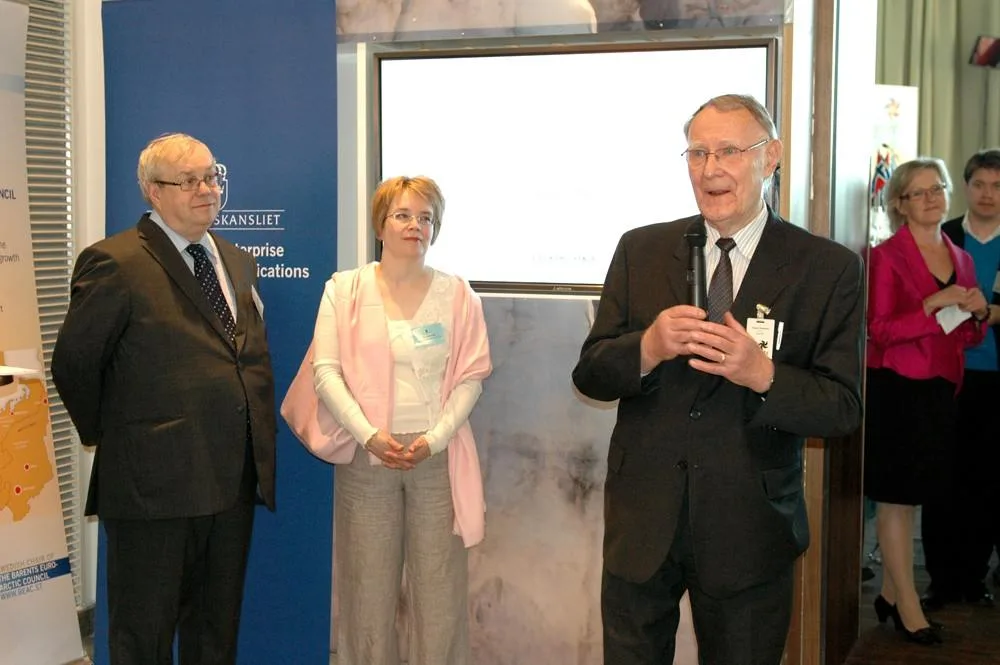
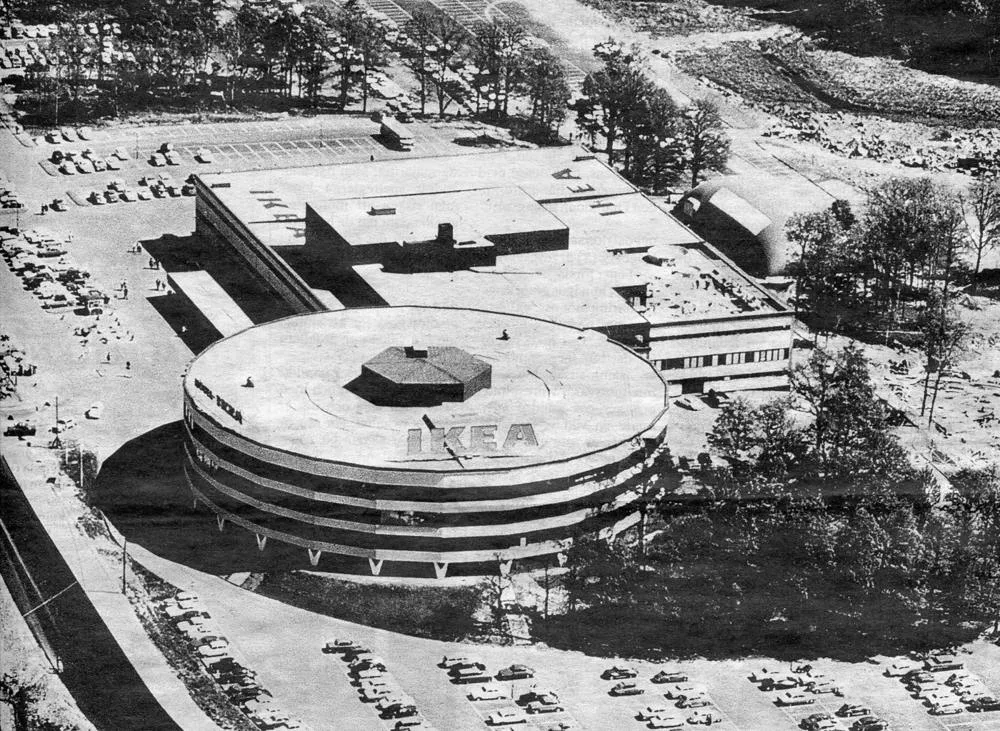
The photographs here show the museum and earlier appearances connected with Kamprad and the business. They illustrate a history and a retail identity. They do not establish the value of a foundation, identify an inheritance or document a transfer of property to a family member.
For readers of wealth profiles, the lesson is practical: keep the organisation chart beside the famous name. Check whether a source is describing ownership, governance, sales, profit or an estimate. If two sources use different figures, establish whether they are measuring the same thing before treating them as contradictory.
Kamprad’s place in the IKEA story is clear. What requires more care is the claim that all the business activity and foundation assets associated with that story can be counted as a single private fortune. The published ownership explanations support a more precise account, and precision is more useful here than another unsupported billionaire number.

Isiagu Tobby
Wowplus editorial contributor.