Table of contents
George Clooney’s Casamigos business is often remembered through a billion-dollar headline. Diageo’s 2026 results offer a different view of the brand he helped create: Casamigos organic net sales declined 25% in the financial year ended June 30. That is a business-performance figure, with a different meaning from the price agreed for a sale years earlier.
The distinction matters whenever a celebrity’s name travels with a large company number. A purchase price, a year’s sales and an individual’s net worth answer different questions. Reading the Casamigos story carefully means keeping the original transaction, the brand’s later trading and Clooney’s private finances in their own frames.
His wider public profile is explored in our coverage of George and Amal Clooney’s life and work together. This business story has a narrower focus. It follows the documented Casamigos transaction and its corporate owner’s reporting, rather than treating a red-carpet photograph or a famous surname as financial evidence.
What the 2017 agreement actually said
Diageo announced an agreement to acquire Casamigos on June 21, 2017. The transaction valued the company at up to $1 billion: $700 million in initial consideration and a potential further $300 million tied to performance over ten years. The words describing the payment structure are central to understanding the much-repeated headline.
The announcement identified three founders: Rande Gerber, George Clooney and Mike Meldman. It dated the brand’s creation to 2013 and said the founders would continue to contribute their leadership and promotion. This was a company built by a group, entering the portfolio of a larger drinks business.
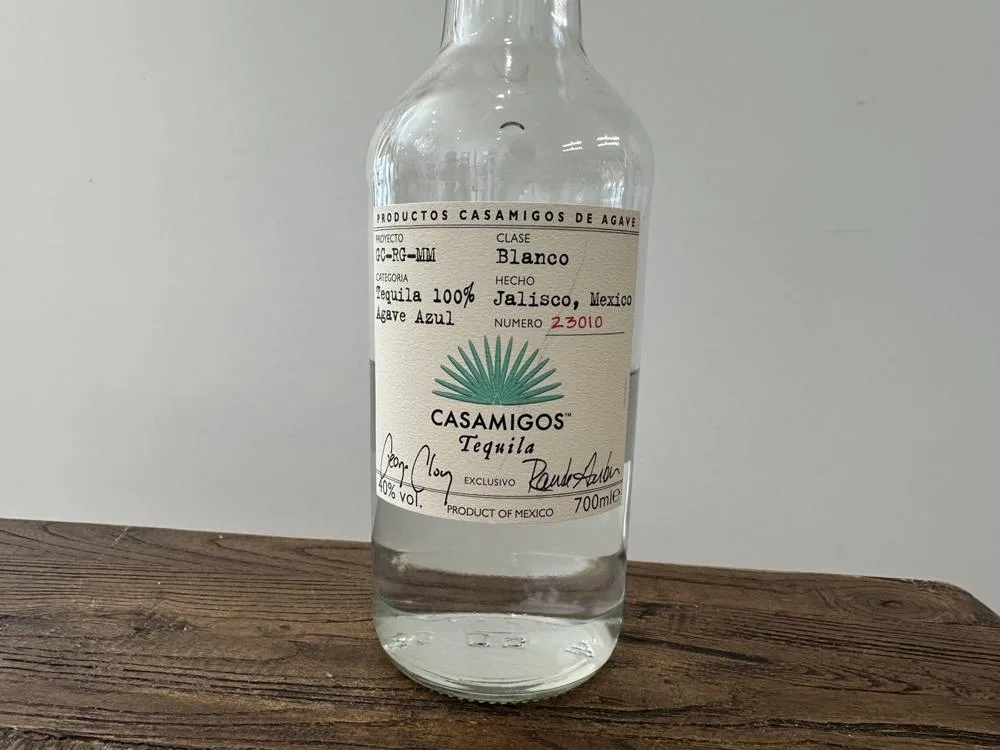
An earn-out is a conditional element of a deal. The announced maximum is therefore different from a statement that every possible dollar was paid immediately. The acquisition announcement does not establish Clooney’s personal share of each payment, his tax position or how any proceeds were subsequently invested or spent.
Diageo later confirmed completion and said it looked forward to working with all three founders. Completion establishes that the acquisition happened. Continued founder involvement, meanwhile, should not be confused with proof that the founders still owned the acquired company on the same terms as before the transaction.
That difference between a brand valuation and a founder’s personal proceeds appears in other industries too. Our examination of Sara Blakely’s Spanx deal follows the documented structure of another major transaction. In each case, the ownership and payment details are more informative than attaching the largest available number to one individual.
What the 2026 Casamigos figures measure
The next useful document is the Diageo annual report for 2026. Its category and brand table records a 19% decline in Casamigos organic volume and a 25% decline in organic net sales. Reported net sales also declined 25%. These are comparisons with the preceding financial year.
The table’s scope is important. A footnote says the Casamigos trademark includes tequila and mezcal, while the key-brand table excludes ready-to-drink variants. A reader should therefore avoid casually treating this row as a single measure covering every product carrying the Casamigos name. The reporting categories define what the numbers describe.
Those figures measure trading, rather than the resale value of the brand or an actor’s personal wealth. A 25% sales decline cannot simply be subtracted from the 2017 purchase price to produce a new valuation. Nor does it demonstrate that a former owner’s personal assets fell by the same percentage.
The wider owner has its own balance sheet
The wider group also faced a more difficult year. Diageo reported net sales of about $19.6 billion for fiscal 2026, down 3% on a reported basis and 2% organically. Its preliminary results described growth in Europe, Latin America and the Caribbean, and Africa, alongside weakness in North America and Asia Pacific.
Company reporting can make some parts of a wealth story more visible while leaving others private. Our Ralph Lauren shares and wealth profile offers another example of reading the available evidence carefully. The practical question is always what a particular document actually measures, rather than what a celebrity headline suggests.
A later reporting change needs its own context
There is a further reporting detail for anyone following Diageo’s regional numbers. On October 13, 2026, the company published restated historical regional results to align them with a new operating structure. It said the changes altered allocations between regions and Corporate, while leaving previously reported group results unchanged.
That statement is useful protection against comparing figures with different geographical definitions. It is not an announcement that the Casamigos acquisition has been undone or that Clooney’s finances have been disclosed. A corporate report can be detailed and authoritative while still answering only a bounded set of questions about a much broader business.
Casamigos remains an instructive celebrity-business story because both phases deserve attention: creating something attractive to a buyer and sustaining it inside a large portfolio. The 2017 deal documents explain the first. The 2026 trading figures illuminate part of the second. Neither supplies a complete private balance sheet for the actor whose name helped make the brand familiar.

Isiagu Tobby
Wowplus editorial contributor.