

Table of contents
Unai Emery at 55 reaches a birthday with another major achievement added to his career, and a familiar insistence that the work continues. Born in Hondarribia on November 3, 1971, Aston Villa’s manager turns 55 today. His fifth Europa League title, won with Villa in May, gives this year’s milestone a particular place in the club’s recent history.
Asked last month about four years at Villa, Emery was more interested in preparation than celebration. At his October 23 press conference, he recalled working through his birthday after arriving at the club and described the same focus continuing now. The answer offered a small, direct illustration of how he approaches an anniversary.
The longer view of a manager’s work also runs through our feature on Arsène Wenger and football development. A familiar touchline figure becomes associated with a particular team, but the career behind that image includes different clubs, players and problems. Emery’s story has repeatedly crossed those boundaries.
A route built through different football environments
Villarreal’s announcement when appointing Emery in 2020 traced an early coaching path through Lorca Deportiva and Almería. He took both clubs to a higher division, with Almería reaching the top flight. Those beginnings came before the European finals that now provide the most recognisable landmarks in his managerial record.
The same club account recalled his four seasons with Valencia, including three third-place finishes in LaLiga and the resulting Champions League qualifications. Later work at Paris Saint-Germain and Arsenal brought different expectations and settings. Looking across those appointments gives more context than reducing his approach to one formation or one competition.
Sevilla supplied his first three Europa League titles, in 2014, 2015 and 2016. The sequence involved different kinds of finals: a penalty shoot-out against Benfica, a 3-2 win over Dnipro and a comeback against Liverpool. Repeating success required navigating another season each time, rather than simply returning to one decisive match.
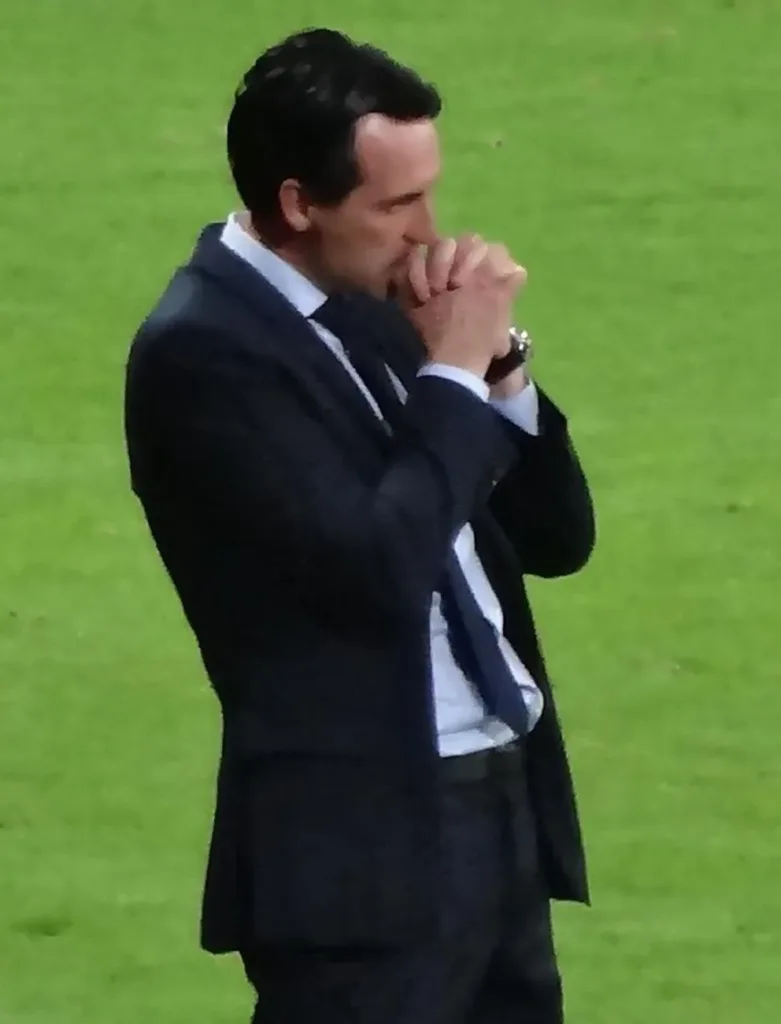
Five titles, with a defeat in the record too
The account from UEFA records six Europa League finals for Emery. The exception to his five wins was Arsenal’s 4-1 defeat by Chelsea in 2019. Including that result matters: even an unusually successful record contains nights that finished very differently from the plan.
At Villa, the Premier League’s account of May’s triumph set out a progression through European competitions. The club reached the Conference League semi-finals in 2024, the Champions League quarter-finals in 2025 and then won the Europa League in 2026. The sequence gives the latest trophy a place within several seasons of work.
Players make that progression tangible. Our profile of Morgan Rogers’ rise to the big stage follows one such career. His part in Villa’s final was a reminder that a manager’s record is also built through the performances of people who have their own routes into the team.
Villa beat Freiburg 3-0 in Istanbul on May 20. Youri Tielemans opened the scoring, Emiliano Buendía added the second before half-time and Rogers scored the third after the break. UEFA’s report highlighted the short-corner move behind the opener and Buendía’s contribution to the third, giving specific examples of how the performance came together.
Villarreal’s 2021 final had provided a very different ending. The match against Manchester United finished 1-1 after extra time before Villarreal won the shoot-out 11-10. Goalkeeper Gerónimo Rulli converted his own penalty and saved the next. By comparison, Villa’s 2026 victory reached its decisive shape during the match itself.
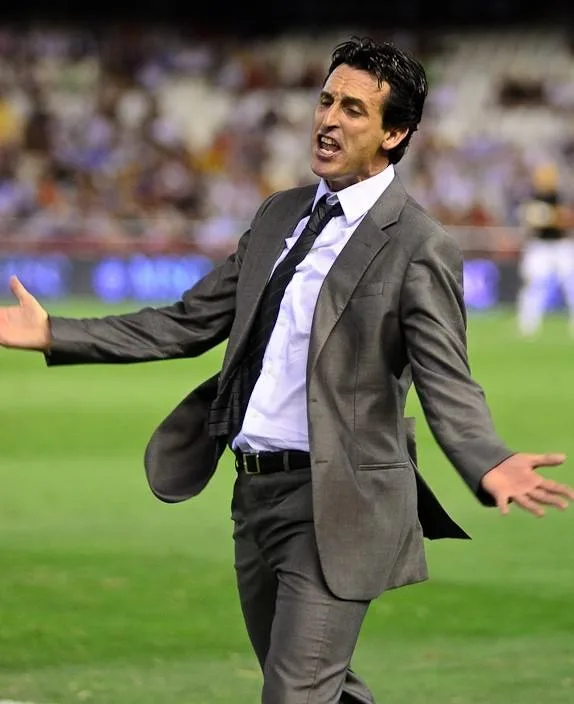
What the recent comments emphasise
Emery’s October press conference returned to the detail between those headline occasions. He discussed positioning, pressing, defending the penalty area and doing more with the ball. These were areas he wanted to improve, even while acknowledging progress. A trophy from the previous campaign did not remove the next set of football problems.
He also spoke about the role of senior players, including John McGinn and Tyrone Mings, in supporting the group. His description gave the dressing room a place in the process alongside coaching instructions. A manager can set demands, but players also help carry them through the daily life of a squad.
That movement between individual careers and a team’s wider story is also part of our recent look at Wayne Rooney’s football career at 41. A birthday provides an opportunity to look back, while the most useful perspective keeps the people and work around the familiar highlights in view.
A birthday within a continuing season
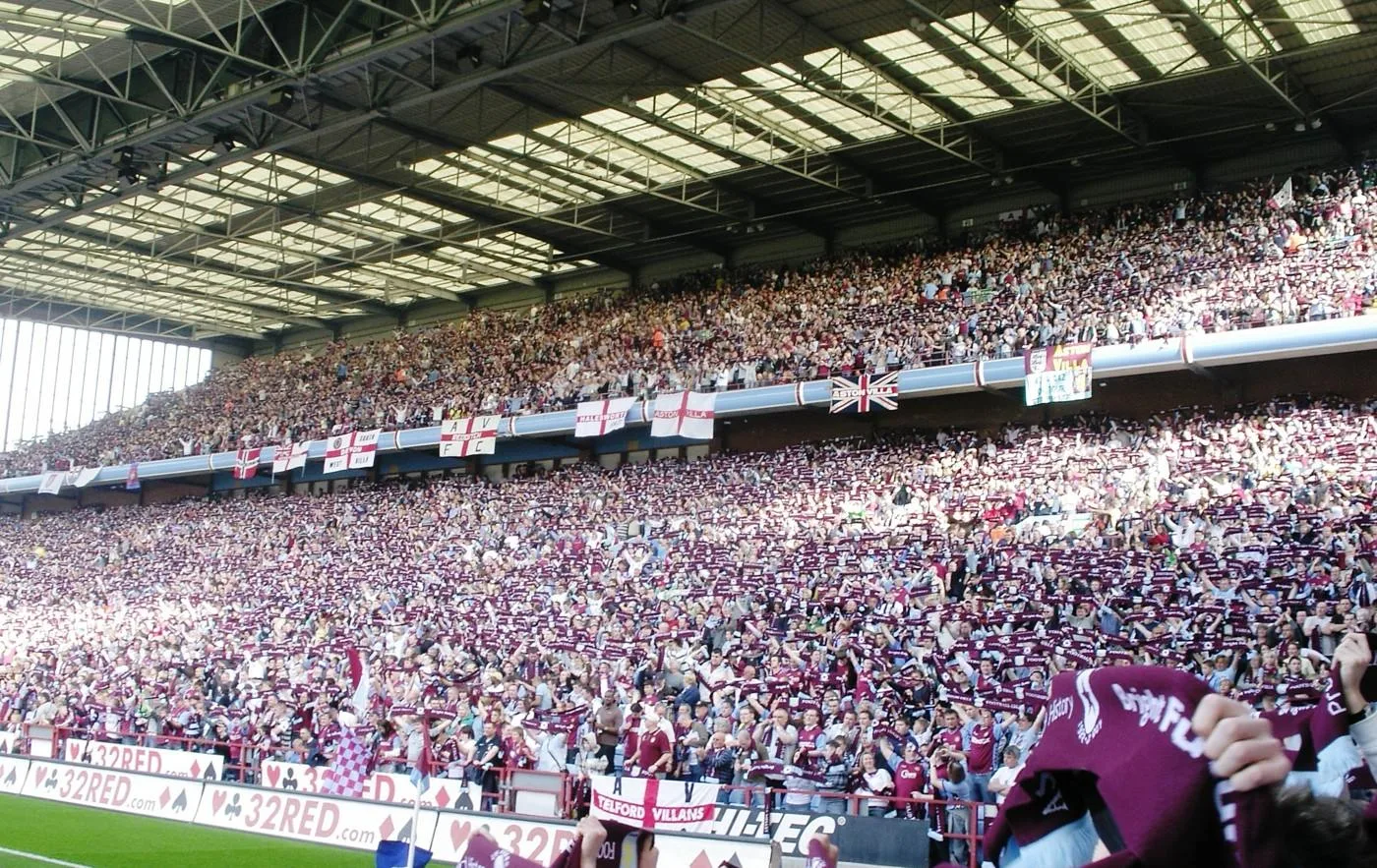
For supporters at Villa Park and beyond, May’s trophy has a clear significance: the club ended a 30-year wait for major silverware. For Emery, it extended a remarkable competition record across three clubs. Those two achievements belong together, while retaining their own meaning for the people who experienced the final from the touchline, pitch and stands.
Turning 55 gives that record another marker in time, rather than a final judgement on the current season. The useful picture holds both things at once: a major success already achieved and a manager still talking about how to improve. The celebrations can remain in the memory while the next training session has its own demands.

Isiagu Tobby
Wowplus editorial contributor.