



Table of contents
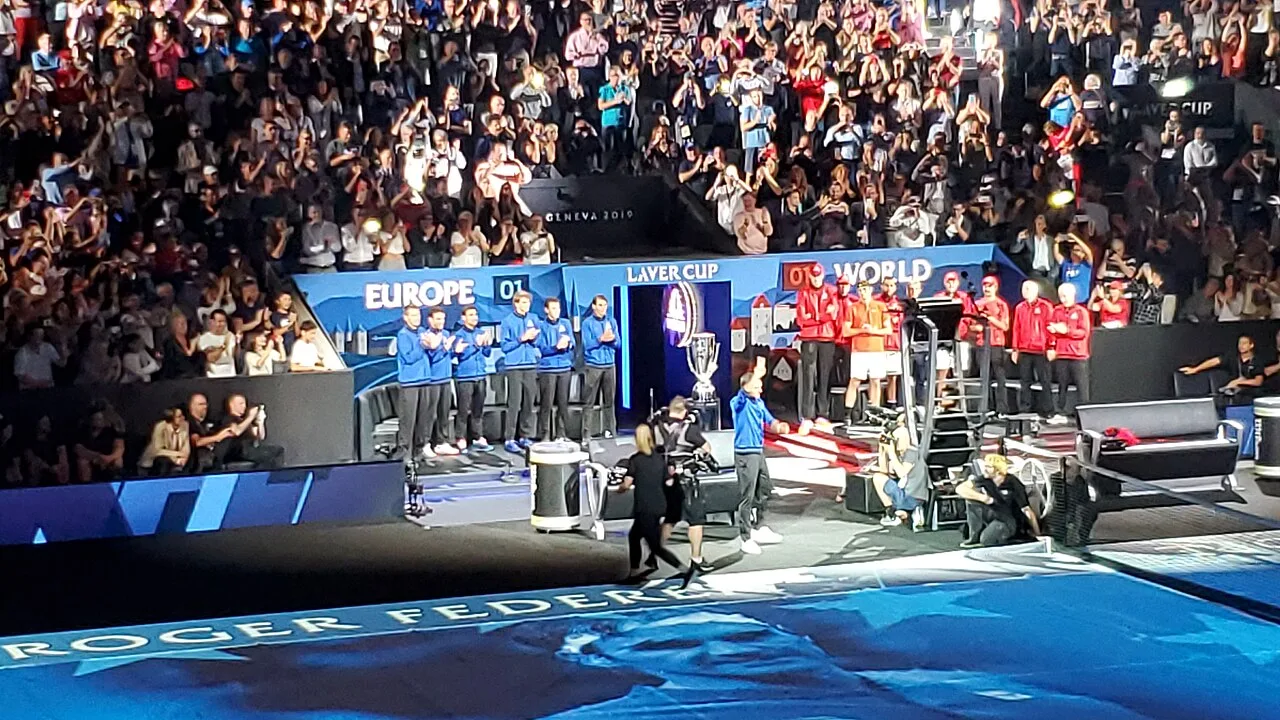
Roger Federer sleep recovery is still central to the way the retired tennis champion thinks about performance, even though he no longer has to prepare for five-set matches or a full tour schedule. Speaking around the 2026 Laver Cup in London, Federer described sleep as the most important form of recovery and paired that advice with a broader message: make plans, listen to the body and avoid treating every next day as a crisis.
That perspective fits the stage of life Federer is in now. He retired from professional tennis in 2022 after a career that lasted more than two decades, but he remains close to the sport through the Laver Cup and youth coaching initiatives. In a new interview with GQ, he discussed daily habits, pressure, style and what he tells young players who are trying to build sustainable careers.
What stands out is how ordinary much of the advice sounds. Federer is not presenting a secret recovery device or a complicated wellness system. His routine begins with basic structure: getting organized, setting long-, medium- and short-term goals, making his bed, taking a morning shower and giving his body enough time to recover.
Sleep became part of Federer’s bigger performance philosophy
Federer’s emphasis on rest makes more sense when viewed against the length of his career. Elite tennis requires repeated travel, changing time zones, long matches and constant adaptation to different surfaces. That kind of schedule rewards players who can manage energy as carefully as technique. Wowplus previously looked at Roger Federer’s post-career business profile, but his latest comments show that he still talks about success through the habits that supported his playing years.
His message to younger athletes is not simply to train harder. Federer said understanding how much to train matters, and he encouraged players to listen to physical signals rather than assume everything must be solved immediately. He also framed sleep as part of a longer runway, where a missed session or a difficult day does not automatically define a career.
That approach is especially relevant in junior tennis, where results can feel disproportionately important. Federer told young players at a Uniqlo Next Generation clinic that pressure can be interpreted as a sign that they care. Instead of trying to eliminate it completely, he suggested breaking a stressful moment into something smaller and focusing on what can actually be controlled.


For a former champion who built his reputation on calm movement and efficient decision-making, the advice sounds consistent with the player fans watched. It is also a useful reminder that recovery is not only physical. Mental distance from rankings, comments and expectations can be part of staying functional over a long season.
His post-tennis routine is deliberately simple
Federer’s current mornings are not built around a dramatic training ritual. He said he likes the reset of taking a shower and making his bed, habits he did not always prioritize when he was younger. He also admitted breakfast is his least favorite meal and that he often skips it, which he presented as a personal preference rather than a universal recommendation.
The simplicity of that routine contrasts with the highly engineered image of modern elite sport. Players now have access to detailed data, recovery technology and specialist teams, yet the basic questions remain familiar: Did the athlete sleep enough? Is the body recovering? Is the schedule realistic? Those questions also shape the way fans discuss younger stars. Wowplus recently covered Naomi Osaka’s personal approach to tennis style, another example of how off-court choices can become part of an athlete’s larger identity.
Federer’s comments do not mean technology or sports science are unimportant. Rather, they put those tools inside a broader hierarchy. Recovery works best when the foundation is stable. A player who is exhausted, overloaded or constantly reacting to outside pressure may not get much value from adding another layer of complexity.
He also appears comfortable with a less rigid version of life after retirement. Federer remains involved with tennis, but his public schedule now includes mentoring, business partnerships, fashion and family. That mix is very different from the weekly certainty of the ATP calendar, where tournaments and travel once dictated most of the year.
Federer is also teaching younger players how to handle pressure
One of the more revealing parts of Federer’s recent comments was his concern about the environment young athletes now face. He contrasted his own era with a generation growing up alongside social media, where a junior player can finish a match and immediately encounter public praise, criticism and appearance-based comments.


That pressure can complicate physical recovery because the athlete never fully leaves competition behind. Federer suggested that young players need to discover the methods that work for them, whether that means more sleep, meditation, talking to a friend or seeking professional support. The point was not that one routine fits everyone, but that some form of deliberate reset matters.
It is a timely message in a sport where injury news can quickly reshape expectations. Wowplus reported on Jannik Sinner’s 2026 US Open knee withdrawal, a reminder that even the best-conditioned players have to make decisions that protect a longer career rather than a single event.
Federer had to make those calculations himself late in his career. Knee problems and surgeries disrupted his final seasons before retirement. His current advice therefore carries the perspective of someone who experienced both exceptional durability and the limits that eventually come with repeated elite-level competition.
Style still matters in Federer’s life after competition
Recovery was not the only topic Federer discussed around the Laver Cup. He also spoke about clothing and how travel exposed him to fashion in cities such as Tokyo, Milan, New York and Paris. Since moving from Nike to Uniqlo in 2018, his relationship with clothing has become more visible as part of his off-court identity.
Federer said he now thinks about how he wants to feel when he gets dressed and tends to prefer being slightly overdressed rather than underdressed. It is a small detail, but it helps explain why his retirement has not looked like a complete retreat from public life. Tennis is still the foundation, while mentoring, design, business and personal style now occupy more space around it.
The through-line is preparation. Whether Federer is talking about clothes, coaching children or going to sleep, he keeps returning to the idea that small choices shape how a person meets the next challenge. That is less glamorous than a breakthrough training method, but it is probably closer to how sustainable routines actually work.
Roger Federer sleep recovery is therefore more than a headline about getting enough rest. It reflects a retired champion’s wider belief that performance improves when people plan, recover and give themselves enough perspective to avoid treating every setback as an emergency. For younger players watching him at the Laver Cup, that may be one of the most useful lessons he can offer after the trophies.


Isiagu Tobby
Wowplus editorial contributor.