

Table of contents
Beginner birdwatching does not need to begin with a distant reserve or a shopping list. A tree outside a window, a quiet patch of pavement or a bench near a pond can give you somewhere to practise. The first task is simply to notice what a bird is doing.
That modest starting point makes the hobby easier to return to. Instead of arranging an entire day around a rare sighting, choose a place you already pass and give it a little unhurried attention. Familiarity lets you ask more interesting questions on the next visit.
The RSPB’s introductory guidance makes clear that special qualifications and the best binoculars are not prerequisites. Watching from a garden, balcony or local green space counts. Its examples are British, but the invitation to begin with nearby birds is useful far beyond Britain.
If your first session involves going outside, our guide to planning a weekend walk around the day you actually have can help keep the outing manageable. Choose somewhere you can comfortably reach, pause and leave, rather than a route that turns observation into a race.
Give one small place your attention
For a first attempt, set aside a short period you can repeat, perhaps ten minutes after breakfast. This is a suggested exercise, not a rule about when birds must appear. Put the phone away for part of that time and look across the whole scene before focusing on a single movement.
Notice the setting as well as the bird. Is it on the ground, on a wire, under a hedge or high in a tree? Is it moving alone or with others? These ordinary details give an encounter a shape even when you cannot yet attach a confident species name.
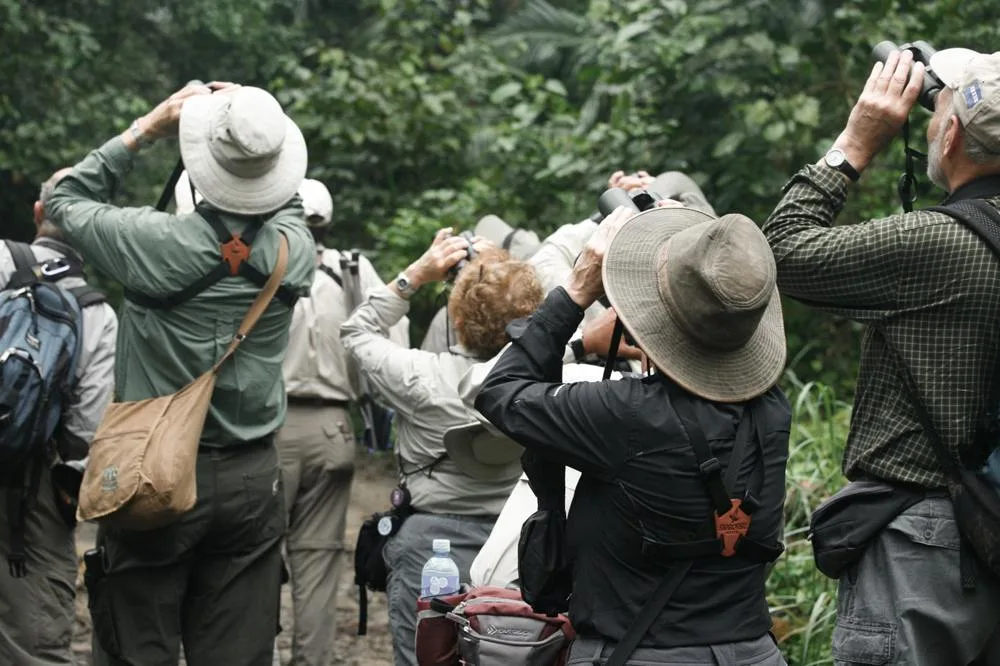
Try writing one plain sentence before consulting a guide: a small brown bird moved between the lower branches, or a larger grey bird walked along the wall. Describe what you actually saw. A description you can defend is more useful than an impressive name you guessed.
This approach resembles building a museum visit around a few things you want to notice. Staying with one subject can reveal more than rushing to collect everything. Here, the subject may fly away, which makes the habit of looking first especially valuable.
Make a notebook you will use again
Field notes do not need beautiful handwriting. In its notebook guidance, Cornell recommends beginning with the date, time, place and weather, and preserving original observations even if you later copy them into another format. A small notebook can hold that information without becoming an elaborate project.
Give each session a clear heading and leave space beside unfamiliar birds. You might divide a page into what I saw, what I think and what I still need to check. That layout keeps a later identification from quietly replacing the original observation in your memory.
A rough sketch can work even if drawing is not your hobby. Mark where a pale patch appeared, how long the tail looked or the angle of a beak. Use arrows and ordinary words. You are making a reminder for yourself, rather than preparing an illustration for a field guide.
At home, compare the uncertain details with a guide suited to your region. Cornell’s beginner material suggests looking at size and shape, colour pattern, behaviour and habitat together. No single impression needs to carry the whole identification, and it is fine to leave a page unfinished.
Let equipment follow your interests
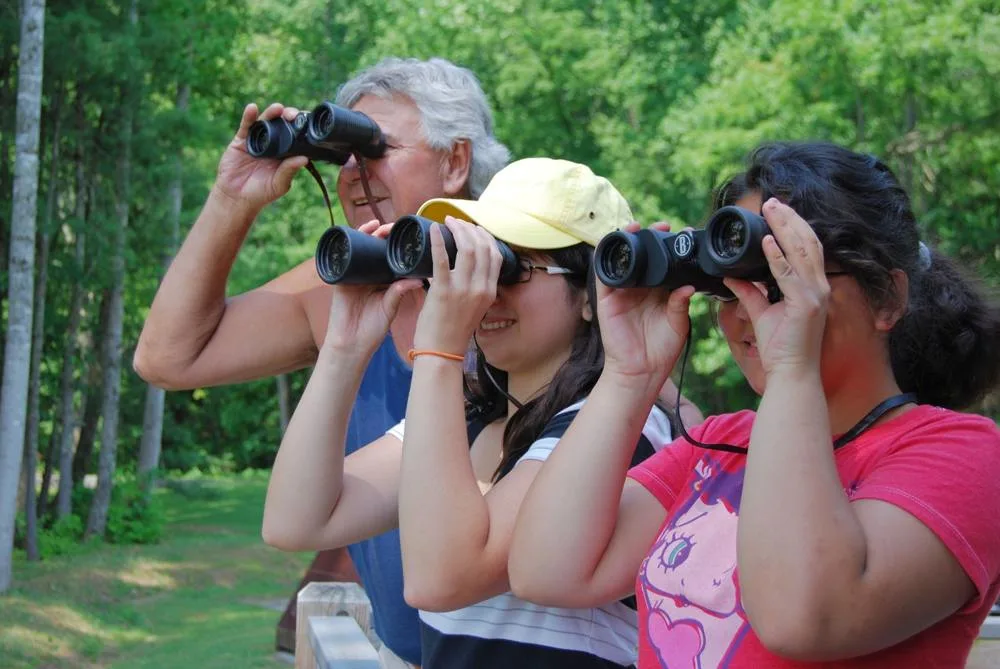
Borrowing binoculars, when possible, gives you a chance to discover whether you enjoy using them before choosing a pair. Practise locating a stationary object and bringing it into view. If you later decide to buy, comfort and ease of use deserve attention alongside specifications.
Digital tools can be part of the pleasure too. Our 2021 report on a young birdwatcher’s mobile game shows how the interest can inspire creative projects. That historical example is not a claim about the game’s present availability, or a reason to replace your own observations with a screen.
Use an app suggestion as something to compare with your notes. A photograph may help you revisit a detail, but getting a picture is optional. An outing can be worthwhile even when the bird stays too far away for a clear image or leaves before you lift a camera.
Keep the outing considerate
Follow the rules of the place you are visiting, stay on permitted routes and respect private land. Give birds space rather than moving closer for a better picture. If an encounter requires disturbing an animal or pushing through a restricted area, leave that encounter alone.
A companion can make the habit more sociable without turning it into a quiz. Take turns describing one thing you noticed, and let uncertainty remain part of the conversation. With a child, one memorable observation may be a better stopping point than another hour of searching.
When you return to the same spot, reread the last page before making a new one. You may recognise a familiar movement, notice a different sound or discover that a previous guess needs changing. That small, continuing conversation with a place is enough to build a hobby around.

Isiagu Tobby
Wowplus editorial contributor.