



Table of contents
John Boyega Damilola documentary brings the actor back to one of the most painful memories of his childhood: the final hours before his 10-year-old friend Damilola Taylor was fatally attacked in Peckham, south London, in 2000.
The new BBC Two film, Damilola: The Untold Story, airs on October 5, 2026, 26 years after the killing shocked Britain. Boyega was eight at the time and has said he and his sister Grace were among the last friends to spend time with Damilola before he walked home from Peckham Library.
For viewers who mainly know Boyega from blockbuster films, the documentary reveals a far more personal part of his story. It connects the actor’s South London upbringing, the fear that spread through his community after Damilola’s death and the ambitions he carried into acting while still very young.
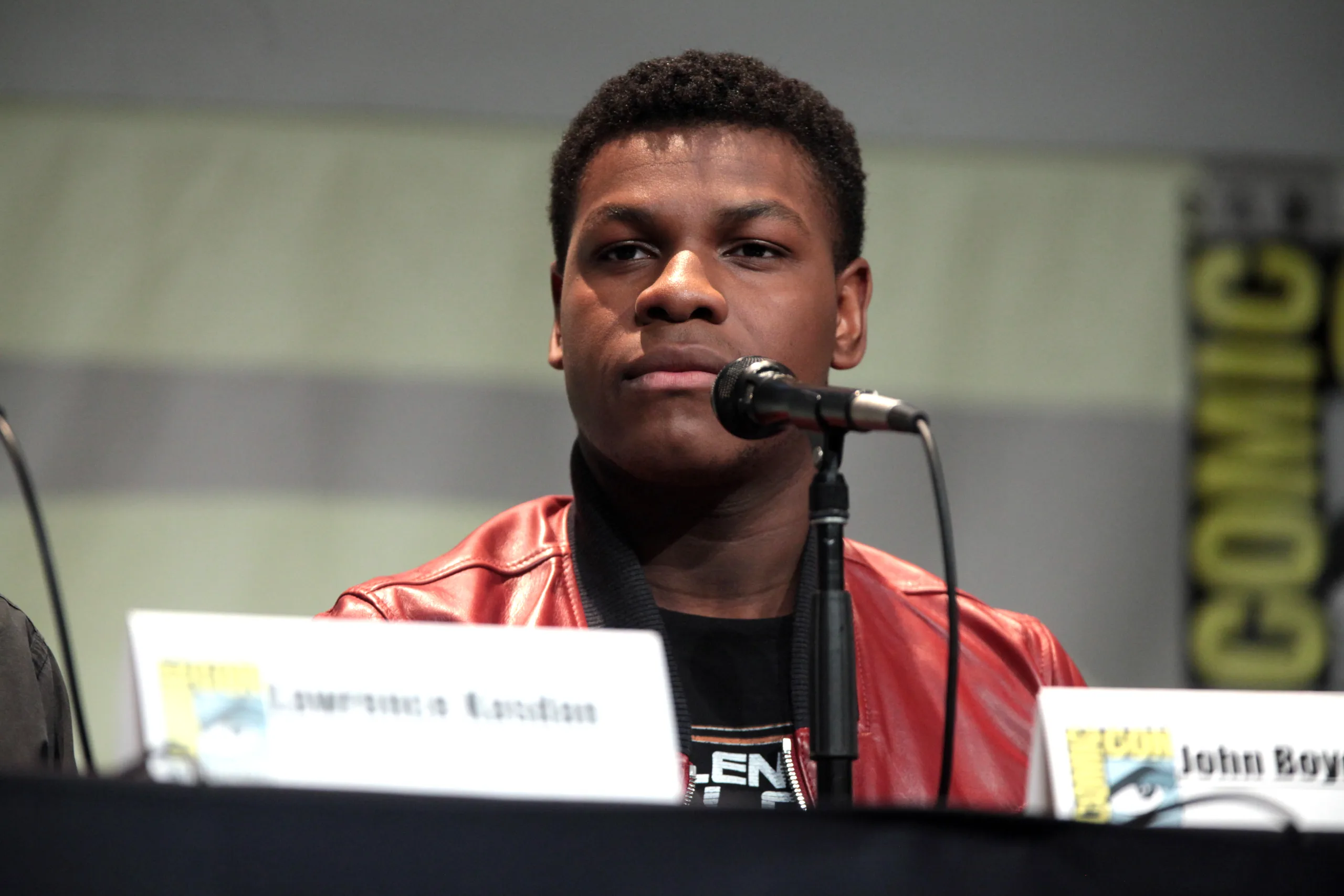
That contrast makes Boyega’s later public image especially striking. Wowplus once covered John Boyega’s confident red-carpet style, but the new documentary is built around a much quieter subject: grief, memory and the people who shaped him before fame.
Boyega returns to the day that changed his childhood
The film revisits Damilola’s final months through people who actually knew him, including Boyega, Grace Boyega, Damilola’s brother Tunde Taylor and others from the Peckham community. Their memories make the story feel less like a distant crime case and more like the loss of a child whose friends still remember ordinary moments with him.
According to BBC, the 74-minute documentary uses new testimony to examine what happened to Damilola and the years of youth violence that followed. The programme describes Boyega as one of the last people to see Damilola alive and places his recollections inside a wider account of the neighbourhood and investigation.


Boyega has spoken about the shock of learning that a friend he had only just seen was gone. He was still a child himself, so the event was not something he could process through the distance of adulthood. The documentary shows how fear entered everyday life for children who had been using the same streets, libraries and estates as before.
His path from Peckham to international cinema later became part of a franchise that changed modern Hollywood. Wowplus recently examined how Star Wars grew into a global entertainment empire, and Boyega’s breakthrough as Finn placed a young Black British actor from south London at the centre of that enormous cultural machine.
The documentary separates memory from celebrity
One of the strongest ideas in the film is that Boyega is not presented as a famous guest looking back at someone else’s tragedy. He is there because he was part of Damilola’s world. That changes the tone of his contribution and explains why the memories remain so specific.
Boyega and his sister had known Damilola through school and their local community. Their recollections sit beside testimony from Damilola’s family and people connected to the investigation, allowing the documentary to move between personal grief and the public failures that made the case so difficult.
The killing eventually led to the manslaughter convictions of brothers Danny and Ricky Preddie in 2006, after earlier prosecutions failed. The long path to those convictions became part of a national debate about youth violence, policing and how vulnerable children were treated in areas facing poverty and social pressure.
Boyega’s later career makes the story easier for a wider audience to enter, but it should not overshadow Damilola himself. The actor has spent years moving between major franchises and smaller dramatic projects, while Wowplus has also followed the continuing evolution of Star Wars through stories such as Ryan Gosling’s new Star Wars chapter.
How Damilola’s death shaped Boyega’s sense of purpose
Boyega has described the period after Damilola’s death as frightening and formative. For a child already interested in performance, the loss seems to have sharpened his awareness that opportunities should not be assumed to last forever. Acting became more than an abstract dream; it became something worth pursuing with urgency.
That does not mean the documentary turns Damilola’s death into a neat origin story for somebody else’s success. The film’s broader purpose is to restore Damilola’s personality and hopes while also showing the effect his killing had on the children around him. Boyega’s career is one outcome from that generation, not the explanation for the tragedy.


The documentary also arrives at a moment when Boyega is old enough to speak not only as the frightened eight-year-old he once was but as a father and established actor looking back across more than two decades. That distance gives him perspective without removing the emotional weight of what happened.
Why the story still matters 26 years later
Damilola’s killing remains one of the most remembered cases of youth violence in modern Britain because of his age, the failures that complicated the early investigation and the way his family kept his name connected to work with young people afterward.
The documentary’s decision to focus on those who knew him helps resist the tendency for a famous crime to become only a set of dates, court outcomes and headlines. Friends remember a child with ambitions and routines. Family members remember a brother and son. The community remembers the fear that followed.
For Boyega, appearing in the film is a rare public return to a story that predates every role on his filmography. It reminds audiences that celebrity biographies are often built on experiences that happened long before cameras arrived, and that some of the most influential moments in a public figure’s life are not career milestones at all.
Damilola: The Untold Story does not ask viewers to see Boyega as the centre of Damilola’s story. Its value is the opposite. By placing the actor back among the childhood friends and relatives who remember Damilola as a person, the film gives a famous witness a supporting role in a much larger memory.


Isiagu Tobby
Wowplus editorial contributor.