


Table of contents
Toni Collette’s screen range becomes clearer when you put two very different roles next to each other. The awkward longing of Muriel’s Wedding and the unsettling authority of Wayward belong to different kinds of stories. Together, they offer a better introduction than treating her career as a collection of frightening moments.
Australia’s National Film and Sound Archive dates Muriel’s Wedding to 1994 and describes its central character as a misfit who dreams of escaping a dysfunctional family. Directed by PJ Hogan, the film introduced Collette to an international audience. The performance sits inside a comedy that also makes room for hurt.
That combination is a useful starting point for watching her work. A character can be funny without understanding why an audience is laughing, and vulnerable without becoming helpless. The interest lies in those overlapping impressions, rather than in giving every scene a single emotional label.
Our archive look at the Little Miss Sunshine cast offers another way into ensemble storytelling. It is an older feature, rather than a fresh career update, but it points towards the pleasure of watching an actor as one part of an often complicated family on screen.
Wayward puts reassurance under suspicion
In Mae Martin’s Wayward, Collette plays Evelyn, founder and head of Tall Pines Academy. Netflix’s cast guide describes a leader whose reassuring maternal manner conceals a capacity for manipulation. The series is a fictional thriller, so its characters should not be treated as a documentary account of a particular real institution.
The Netflix guide also records Martin’s view that Collette was their first choice for Evelyn, praising her ability to combine dry humour with a frightening presence. That is the creator’s assessment, not a separate award or an audience rating.

The interesting viewing question is how a scene establishes trust. Watch who gets to explain what is happening, who interrupts and whose discomfort is brushed aside. Those details make authority visible without requiring a plot-ending revelation. They also let a viewer compare this role with a character who has much less control.
A wider career perspective can be helpful here. Our profile of Catherine Deneuve through the films behind her public image takes a similar route: use particular screen work to understand a career, rather than assuming one familiar image explains every performance.
Horror with a family at its centre
A24 lists Collette among the principal cast of Ari Aster’s Hereditary, released in 2018. Its official synopsis begins with a grandmother’s death and a family confronting a sinister inheritance. That premise is enough to establish the film’s territory without describing its most disturbing events.
For a first-time viewer, the important distinction is between expecting a conventional scare and choosing an intense family-centred horror film. Check the classification and content information available in your country before watching. A strong performance does not make every story suitable for every audience or every evening.
In comparing roles, look beyond volume. A pause, an unfinished response or a change in posture can be as useful to notice as a major emotional outburst. This is a way of paying attention as a viewer, rather than a claim to know the actor’s private method or the director’s instructions.
Nightmare Alley changes the atmosphere
Searchlight’s synopsis of Guillermo del Toro’s Nightmare Alley introduces Collette as Zeena, a clairvoyant at a travelling carnival. Bradley Cooper’s Stanton Carlisle learns from her and her husband Pete before taking his ambitions into a different social world. The setting makes performance itself part of the story.
That offers a useful contrast with the institutional power of Evelyn in Wayward. One character works in a carnival, another runs an academy; each appears in a story where trust and persuasion matter. The connection is a critical reading of the roles, not evidence that the films share a plot or a fictional universe.
Long before either project, Collette received an Academy Award nomination for The Sixth Sense at the 2000 ceremony. Recognition is one marker in a career, but it does not replace looking at the work. Readers exploring the darker side can also revisit our older horror-film selection that includes Hereditary.
Build a viewing route around contrast
A useful introduction does not need to be a complete filmography. Choose one role that already interests you, then follow it with something in a different tone. Allow enough space between demanding stories to appreciate them individually instead of making endurance the point of the exercise.
After each film or episode, write down one moment you remember and why it stayed with you. Was it a character trying to be believed, trying to impress someone or trying to hide a feeling? Specific observations make the next conversation more rewarding than a general claim that an actor can do anything.
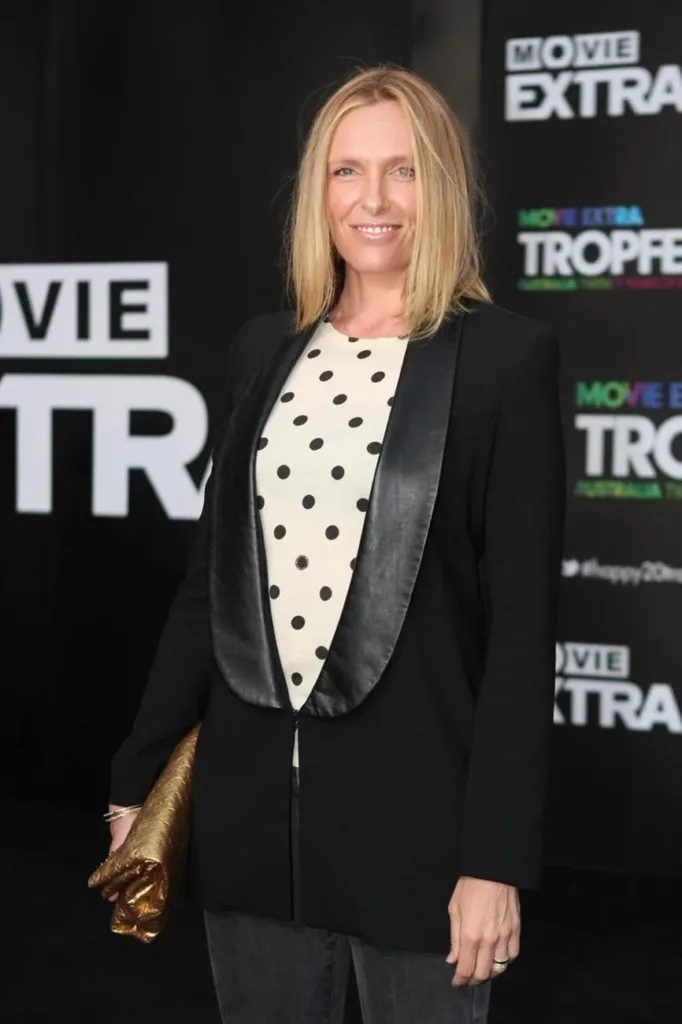
Availability changes by territory and service, so check current local listings rather than assuming every title is included in one subscription. The photographs accompanying this profile are labelled archive appearances. They are not stills from Wayward or newly released publicity for another production.
Collette’s career rewards that kind of patient comparison. A single genre may provide an entry point, but it need not define the whole journey. The richer picture emerges when comedy, unease, vulnerability and authority are allowed to sit beside one another.

Isiagu Tobby
Wowplus editorial contributor.