

Table of contents
Aishwarya Rai at 53 offers a useful moment to look beyond the red-carpet photograph. The Indian actor celebrates her birthday on November 1, 2026, with a public career that connects a Miss World crown, major film roles, Cannes jury service and international advocacy. Cannes is central to that story, but her relationship with the festival has involved more than arriving in a memorable outfit.
The distinction matters because several different kinds of visibility often appear in the same celebrity timeline. A film selected by a festival, a place on its jury and an appearance for a beauty partner are separate achievements. Looking at their dates gives a clearer account of how Rai’s international profile developed and why it continues to draw attention.
The Cannes story began with a film
The official festival archive lists Devdas in its 2002 programme, out of competition, with Rai among the actors. Sanjay Leela Bhansali’s film brought a large-scale Hindi production to that international setting. This was a screen credit and a selected film, rather than simply an invitation to a fashion occasion.
A year later, the archive records Rai as a member of the feature-film jury. That move from presenting work to helping assess other filmmakers’ work is an important part of her Cannes history. It also provides a useful comparison with the international festival careers discussed in Catherine Deneuve’s long screen career, where institutional recognition sits alongside public familiarity.
The Cannes profile also records her earlier Filmfare recognition for Hum Dil De Chuke Sanam. Its biography belongs to that earlier period and should be read as an archive, not a current count of every film she has made. The reliable point is the progression: established acting work preceded the jury invitation.
What the 2026 brand record tells us
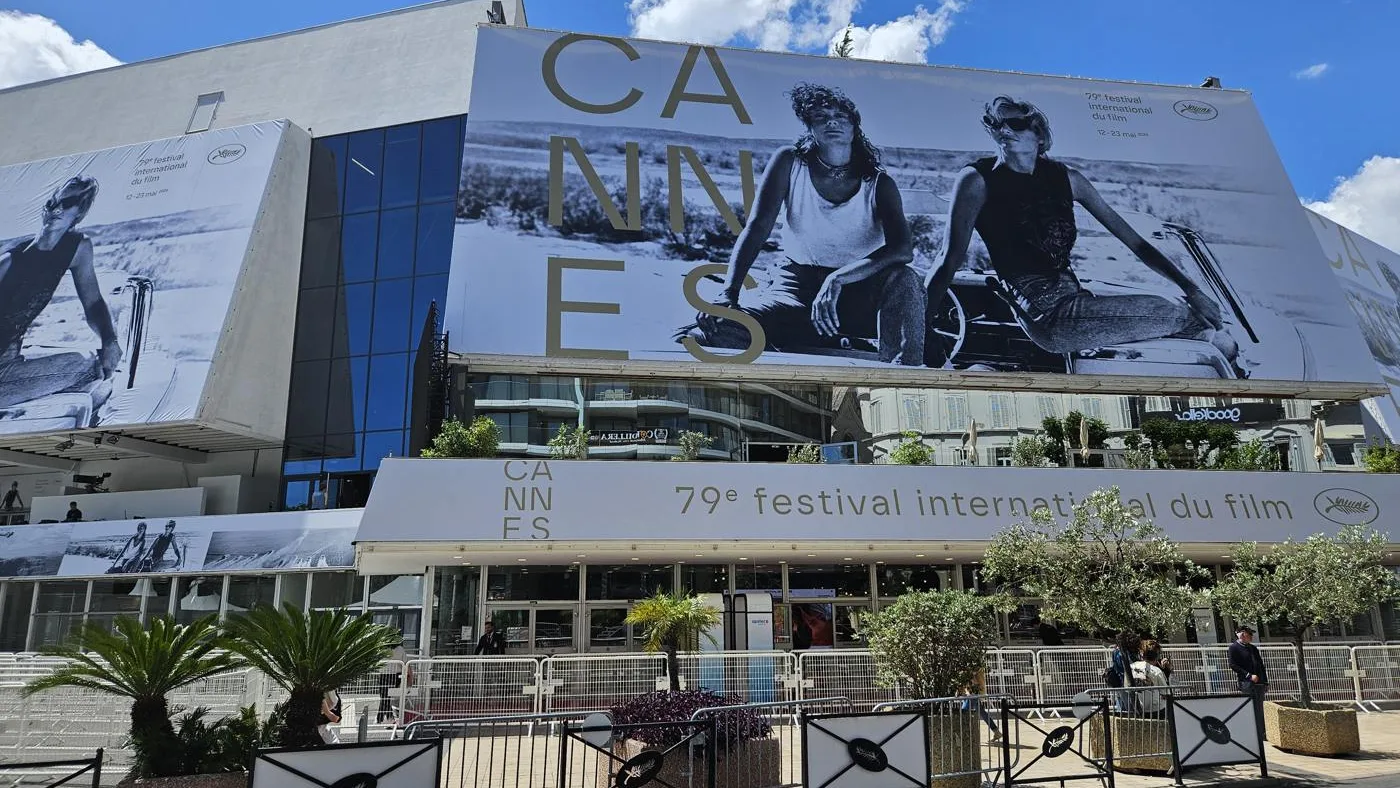
L’Oréal Paris includes Rai in its official account of the 2026 festival, held from May 12 to May 23. Its material places her within the brand’s ambassador group alongside names including Jane Fonda, Gillian Anderson and Alia Bhatt. That confirms a continuing public association without requiring guesses about private contract terms.
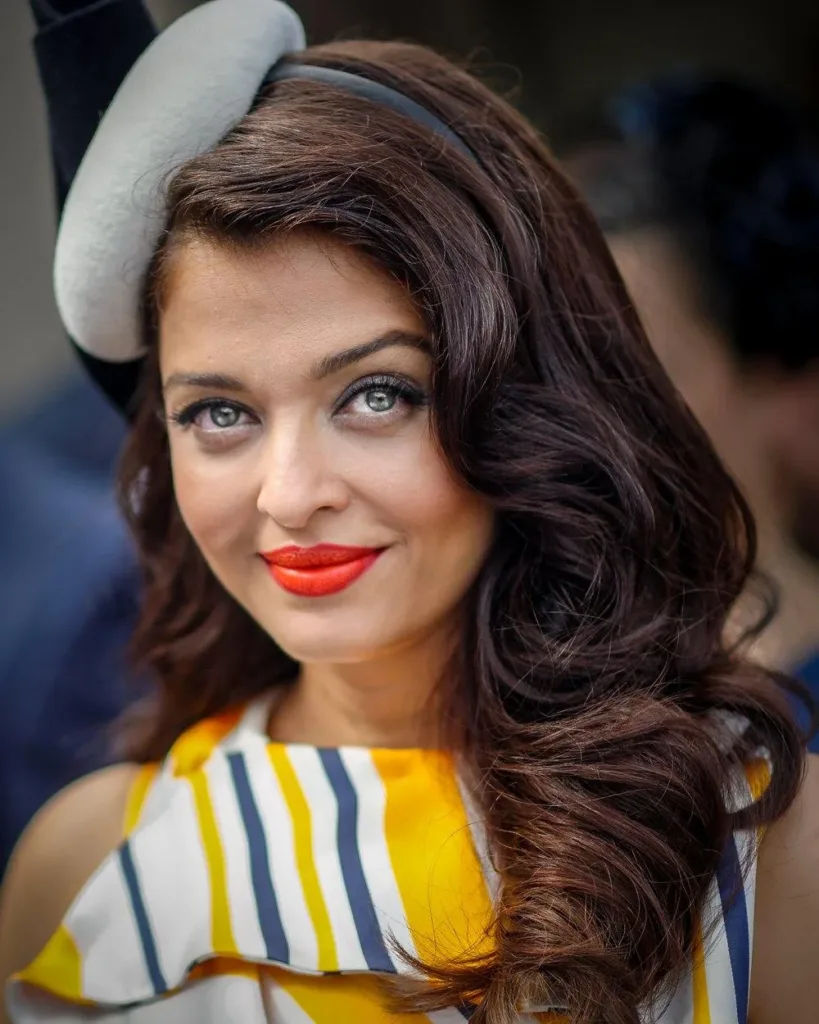
The brand also maintains a dedicated page for Rai’s 2026 Cannes look. It is a beauty campaign page, with product information and promotional language. It can document how the company presented her appearance; it is not evidence of a new film announcement or another appointment to the festival jury.
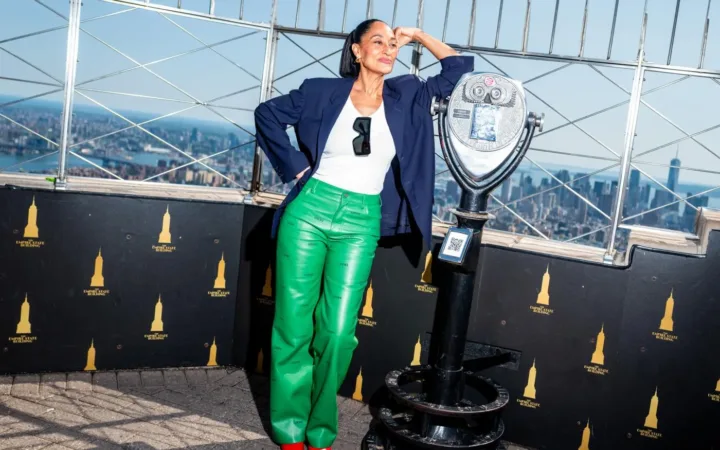
Keeping those roles distinct makes the overall career more interesting. An actor may be known to one audience through a film and to another through an international campaign. Tracee Ellis Ross’s work across television and stage offers another example of a recognisable performer whose career cannot be reduced to one familiar image.
A crown became a starting point
Miss World’s own birthday tribute, published on November 1, 2019, said Rai was turning 46 and recalled her 1994 title in South Africa. Seven years later, that dated record supports today’s 53rd-birthday milestone. It also places the pageant victory in its proper period rather than treating it as a recent accolade.
The organisation’s account highlighted her answer about compassion and looking beyond social barriers. The useful connection is between that early public platform and the kinds of public work that followed. A pageant title gave her one form of visibility; maintaining a career afterwards involved other institutions, audiences and responsibilities.
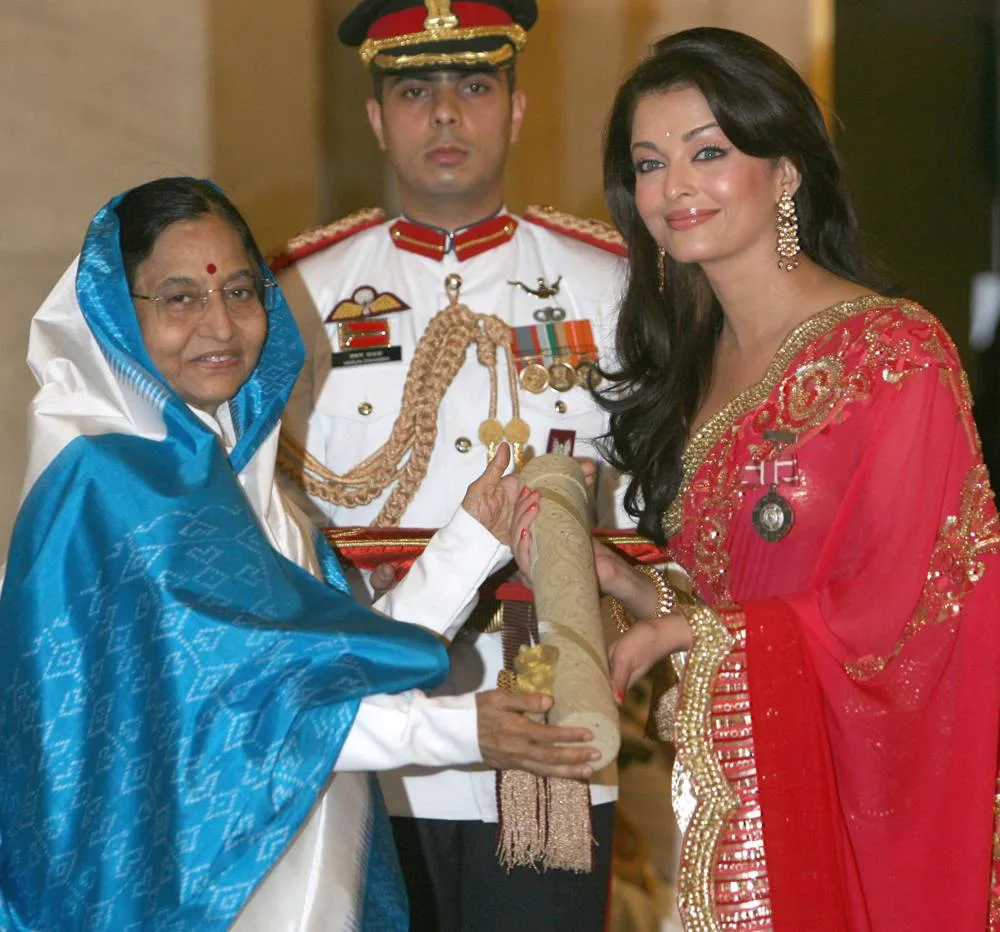
Recognition also came within India. A government photographic record shows President Pratibha Patil presenting Rai with the Padma Shri at Rashtrapati Bhavan on March 31, 2009. That is a specific, documented ceremony. It belongs alongside the screen and festival milestones, rather than being used as a vague claim that every appearance carries the same significance.
Advocacy created another public role
UNAIDS announced Rai’s appointment as an International Goodwill Ambassador on September 24, 2012. Its release described a focus on awareness concerning HIV in children and access to treatment. This was an advocacy appointment with a stated purpose, separate from both her film work and commercial partnerships.
The release’s goals and statistics were written in 2012. They should not be lifted into a 2026 profile as current health information or as proof that one ambassador personally achieved a programme’s outcomes. What the document establishes is the appointment and the work it was intended to support.
That separation also helps readers assess other stars’ public projects. Gabrielle Union’s screen work and published stories show how a celebrity’s public voice can develop through several forms. Each project is most useful when considered on its own evidence rather than as another item in an undated list of achievements.
A birthday profile with the dates kept visible
Rai’s story therefore runs through several distinct settings: the 1994 pageant, a film in the Cannes programme in 2002, jury service in 2003, the Padma Shri ceremony in 2009, the UNAIDS appointment in 2012 and the brand’s documented Cannes activity in 2026. The timeline explains the breadth of her public presence without inventing a new project.
It also offers a better way to revisit the photographs. An archive picture can illustrate an earlier honour or appearance, while a current campaign documents a more recent chapter. Neither should be presented as an image of a birthday celebration that has not been verified. At 53, Rai’s enduring Cannes association is best understood through the acting and institutional history behind the glamour.

Isiagu Tobby
Wowplus editorial contributor.