




Table of contents
Shania Twain Little Miss Twain marks one of the most personal turns of the Canadian superstar’s career, with the singer looking back at the northern Ontario years that shaped her long before global fame arrived. The album gives Twain a reason to revisit childhood memories, early bar gigs and the musical influences she carried with her from Timmins into country-pop history.
The record was released July 24, 2026, and recently entered the Billboard Canadian Albums chart at No. 20. In an interview with Billboard, Twain explained that the project allowed her to write about parts of her life she would not normally approach as a commercial songwriter. That change in perspective is central to why the album feels different from a standard comeback release.
Twain has spent more than three decades balancing country storytelling with pop ambition. On this album, however, the emphasis is less on proving that she can still make a huge anthem and more on tracing where her instincts came from. The songs return to the emotional landscape of her teens, family struggles and the rough-edged live music culture she knew before Nashville became the center of her professional life.
Wowplus previously looked at Shania Twain’s life away from the stage, but Little Miss Twain shifts the focus back to the experiences that existed before wealth, residencies and international celebrity changed the scale of her world.
A new album built from old memories
Twain was born Eilleen Regina Edwards in Windsor, Ontario, and grew up in Timmins. She has spoken for years about the financial hardship and instability her family experienced, as well as the responsibility she took on as a young performer. Music was not simply a hobby. It became part of how she helped support the household.
Those early years are especially important to Little Miss Twain. Instead of treating childhood as a short biographical footnote, the album uses it as raw material. The title itself points back to the girl who was performing before she had any idea what an international music career would eventually look like.
That makes the record partly autobiographical without turning it into a spoken memoir. Twain uses the vocabulary of country, rock and R&B to revisit places, moods and memories. The approach gives familiar fans new context for the confident performer they met through songs such as “Any Man of Mine,” “You’re Still the One” and “Man! I Feel Like a Woman!”
It also explains why the Canadian setting matters. Timmins is not simply where Twain happened to grow up. The bars, regional music circuit and working-class environment around northern Ontario gave her practical experience long before she had access to the machinery of a major record label.
The Horseshoe Tavern show made the homecoming literal
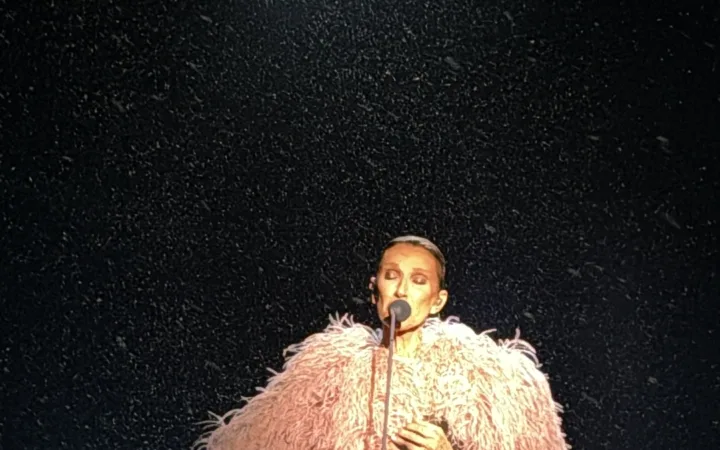
Before the album arrived, Twain played an intimate July 17 show at Toronto’s Horseshoe Tavern. The venue was a meaningful choice because she had dreamed of performing there when she was younger but never had the chance during her early years.


The roughly 400-capacity setting was the opposite of the giant arenas and festival stages that define the modern Shania Twain brand. Instead of a polished stadium spectacle, the night leaned into stories, acoustic moments and a looser atmosphere that matched the reflective mood of the album.
That stripped-back setting also created a useful contrast with Twain’s recent career. She has spent years headlining Las Vegas, appearing at major festivals and sharing stages with younger stars. Returning to a small Toronto room allowed her to reconnect with the kind of performance environment that existed before the fame.
The bridge between generations is familiar territory for Twain. Wowplus has previously covered Shania Twain and Taylor Swift’s public friendship, a relationship that reflects how strongly Twain’s career continues to influence artists who came after her.
Why the chart debut matters more than the number
A No. 20 debut on the Canadian albums chart is not the highest opening of Twain’s career. Her 2023 album Queen of Me entered much higher, and earlier releases turned her into one of the biggest-selling country artists in music history.
But the point of Little Miss Twain is not simply to recreate the commercial scale of Come On Over. At this stage of her career, the ability to release a personal album and still enter a national chart says something about the durability of her audience.
It also shows the value of context. Fans are not hearing these songs in isolation. They are listening with decades of knowledge about Twain’s career, health battles, family history, reinventions and long relationship with Canadian identity.


The album arrives at a moment when legacy artists are increasingly treating new music as a way to add chapters rather than chase their old peaks. Twain can acknowledge the records that made her famous without trying to sound exactly like the artist she was in the 1990s.
Shania Twain is still expanding her story
Twain’s career has survived major disruptions, including the vocal problems that once threatened her ability to continue singing. She rebuilt her voice, returned to touring and established herself as a reliable live draw long after many of her original contemporaries left the center of pop culture.
Her story has also been revisited through documentaries and retrospective projects. Wowplus covered the Netflix project about Shania Twain’s career, another example of how her past continues to generate interest even as she keeps making new work.
What makes this album notable is that Twain is now doing some of that revisiting herself. Rather than letting documentaries, profiles or anniversary pieces define the early chapters, she has turned those memories into songs and placed them inside a current release.
The project also reinforces the Canadian part of her identity at a point when she is unquestionably an international star. Her career belongs to country music, Las Vegas and global pop culture, but its starting point remains northern Ontario.
Shania Twain Little Miss Twain therefore works as more than a new album title. It describes a deliberate return to the person behind the celebrity image, giving Twain a way to connect the girl who played small rooms in Ontario with the performer who eventually filled arenas around the world.


Isiagu Tobby
Wowplus editorial contributor.