


Table of contents
- The fourth album is starting before the current era feels fully finished
- New York has become part of the reset
- Fame has changed how she thinks about relationships
- Social media is useful, but she no longer treats it as a place to explain herself
- The next record will test whether growth can stay personal
- Tate McRae’s next chapter is about control
Tate McRae fourth album is beginning to take shape while the Canadian pop star adjusts to a level of fame that has made privacy as important as creative momentum.
McRae, 23, has already started writing and recording the follow-up to So Close to What, even as touring, fashion appearances and constant online speculation continue around her. The early sessions suggest the new project is still exploratory rather than locked into a final sound, which gives her room to experiment after one of the busiest stretches of her career.
In a recent Variety profile, McRae said she began sessions for the next album in February and has been working with writers including Amy Allen and producer Emile Haynie. She also spoke openly about protecting relationships and family life from the constant interpretation that follows a global pop career.
Wowplus recently covered Tate McRae’s post-Lollapalooza streaming surge, but the new interview points toward a different question: what does an artist do after the breakthrough phase becomes normal life?
The fourth album is starting before the current era feels fully finished
Pop careers now move quickly. Touring cycles overlap with writing sessions, social media never really pauses, and artists are often expected to tease the next era before the current one has had time to settle.
McRae appears to be resisting the pressure to define the new record too early. She has described the sessions as a “see what sticks” process, which suggests she is collecting ideas before deciding what kind of album they belong to.
That approach fits her history. Earlier records were built from highly personal songwriting, but the production around her has become larger as her audience has grown. The challenge now is keeping the emotional directness while working at a scale that involves major collaborators, global touring and higher commercial expectations.
She has also said she avoids listening to too much straightforward pop while writing, preferring music that helps reset her imagination rather than pushing her toward whatever is already dominating playlists.
That instinct matters because McRae’s strongest advantage may be the tension between polished pop performance and more confessional writing. If the fourth album leans too heavily toward one side, it risks flattening what made her stand out.
New York has become part of the reset
McRae has moved to New York after spending years based in Los Angeles, and the change appears to have affected more than her address.
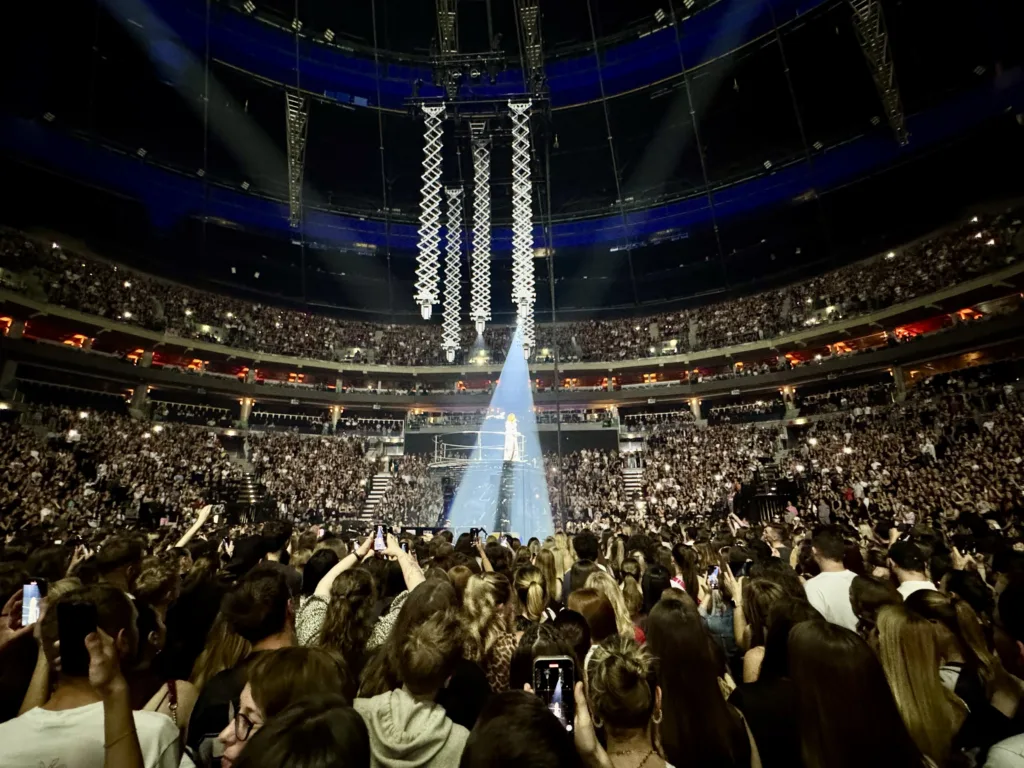
New York gives her a different rhythm. She has described becoming absorbed in the city’s sports culture, spending time at Madison Square Garden and building a life that is less centered on the entertainment-industry routine of Los Angeles.
For an artist who has spent most of her adult life moving between rehearsals, recording rooms and tour stops, that kind of environmental change can be creatively useful. A new city interrupts habits and forces different references into daily life.
Her mother remains one of the strongest constants. McRae has said they speak multiple times a day, while her brother is also moving closer to her. That family connection gives her a private structure around a career that has become increasingly public.
It also keeps the Canadian part of her identity visible. Wowplus has previously looked at the global reach of Canadian pop through the Juno Awards, and McRae now occupies a similar space where international success no longer erases the importance of home.
Fame has changed how she thinks about relationships
McRae’s personal life attracts constant attention, particularly when she is linked to another public figure. The singer has responded by becoming more deliberate about what she confirms, what she ignores and what never becomes public at all.
In the Variety interview, she said she tries to keep relationships “sacred and private.” That language is revealing because it frames privacy as protection rather than secrecy.
For young artists, speculation can become a second career running parallel to the real one. Every photograph, song lyric or social-media follow can be interpreted as evidence about a relationship. McRae appears increasingly unwilling to let that cycle dictate how she talks about her life.
That is a notable shift from the period when public attention around dating became part of the conversation about her music. Wowplus previously covered earlier relationship speculation involving Tate McRae, a story that shows how easily personal rumors can overtake discussion of the work itself.
Her current approach is more controlled: acknowledge that relationships exist, but refuse to let strangers define them.
Social media is useful, but she no longer treats it as a place to explain herself
McRae built part of her early career online, so she understands the value of direct access to fans. But success changes the relationship between an artist and the platforms that helped create visibility.
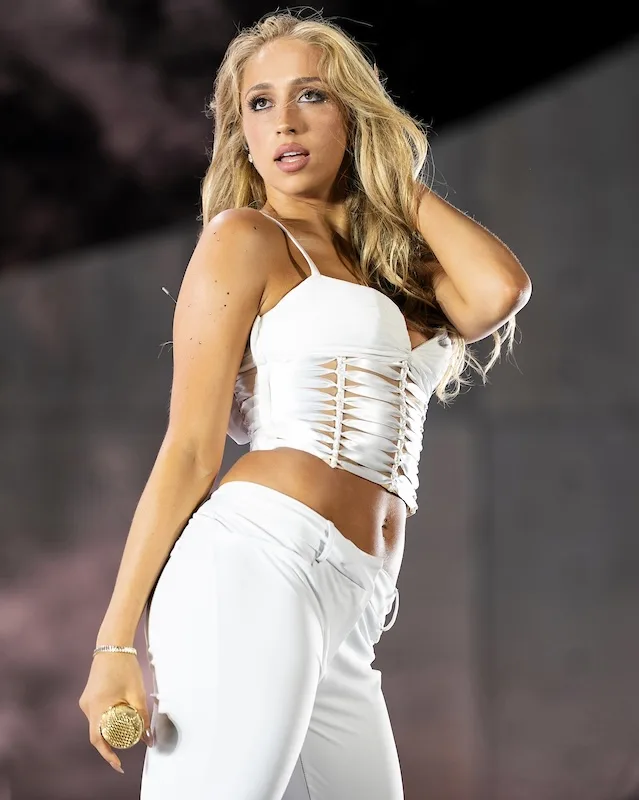
She has said she avoids X and tries not to read the constant commentary around her life. That may sound simple, but for someone whose work depends partly on online discovery, total disengagement is not realistic.
The solution appears to be curation. She uses Instagram and TikTok strategically while trying not to let reaction become part of the creative process.
That distinction matters. If every song is written with the imagined response of millions of strangers in mind, the work can become cautious before it even exists.
McRae’s comments suggest she knows that risk. Her goal is not to stop people from interpreting her. It is to stop those interpretations from entering the room while she is creating.
The next record will test whether growth can stay personal
McRae is now at a stage where almost every part of the career is bigger: venues, fashion visibility, collaborators, media interest and fan expectations.
The fourth album will therefore be a useful test of whether scale changes the emotional core of her songwriting. Commercial success can create access to better studios and bigger producers, but it can also introduce pressure to repeat what already worked.
Her willingness to begin without a fixed concept may be the healthiest sign. It gives the songs room to tell her what the next era should be instead of forcing them into a predesigned campaign.
The broader Canadian music industry has produced several global stars who had to navigate the same transition from national success to international pop machinery. Wowplus recently covered Shania Twain’s return to Canadian roots, another reminder that longevity often depends on finding ways to keep a personal center while the business around an artist grows.
Tate McRae’s next chapter is about control
Tate McRae fourth album may still be in its earliest form, but the surrounding decisions are already clear.
She wants freedom to experiment, enough distance from online reaction to think clearly, and stronger boundaries around relationships and family. Those goals are not separate from the music; they may be what makes the music possible.
McRae’s rise has been built on visibility, but her next stage appears to depend on choosing what does not need to be visible. That balance could define not only the next album but the kind of career she is able to sustain after the rush of becoming one of Canada’s biggest new pop exports.

Isiagu Tobby
Wowplus editorial contributor.