Table of contents
Preserving family audio starts with recognising what an old recording contains: a voice, a story, perhaps the sounds of a room that no longer exists. A cassette labelled only with a name may matter more than a shelf of commercially released music. On World Day for Audiovisual Heritage, October 27, a small home project can begin with identifying those recordings rather than rushing to press play.
The aim is to keep both the sound and its meaning. A digital file without a useful name can become as mysterious as an unlabelled tape. A careful first session therefore involves sorting, taking notes and deciding which items need attention. It does not require buying a new player or attempting repairs on a treasured original.
Make an inventory before playing anything
Gather the recordings you already know about and list their formats. Separate ordinary cassettes from smaller dictation tapes, open reels, discs and files on phones or computers. Write down any existing label exactly as it appears. If a date is uncertain, record the uncertainty instead of replacing a family guess with an apparently definite year.
A simple table can include an item number, the label, the likely speakers, the format and where it was found. Photograph the case and handwritten insert together. Keep loose notes associated with their original item. Someone else may recognise a nickname or place even when you cannot identify the voice immediately.
The same approach helps with other family material. Our guide to preserving old photo albums explains why context belongs with an object. For recordings, that context can include who made the tape, why it was recorded and whether both sides contain something different.
Protect the original and recognise trouble
The US National Archives advises handling cassettes by their outer cases and storing tapes in protective boxes, vertically rather than flat. Keep them away from strong magnetic fields. A sensible household starting point is a stable, clean storage area away from obvious heat, damp and appliances, while seeking specialist advice for valuable or deteriorating material.
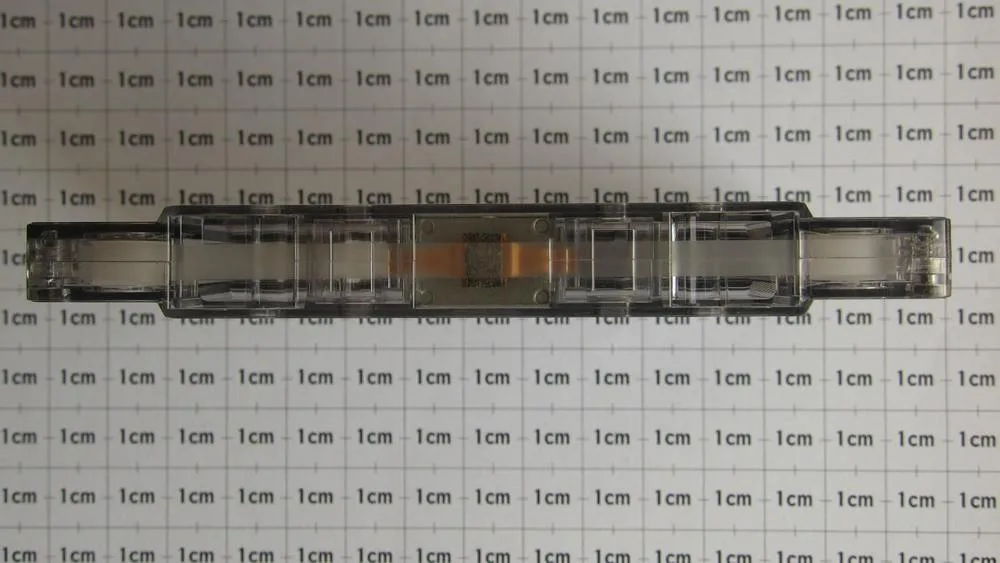
Do not try repeated playback to find out whether a damaged tape will improve. The Library of Congress warns that playing damaged tape can harm the recording and the equipment. Visible debris, mould-like growth, a broken tape or an unfamiliar format is a reason to stop and consult an audiovisual preservation specialist.
A home inventory is useful even when the next step needs outside help. Send a specialist a description of the format and condition, rather than dismantling a cassette to produce a better photograph. Ask how originals are handled, whether work is done on site, what files will be returned and how the items are identified throughout the transfer.
Set a manageable priority. An irreplaceable spoken message might come before an easily replaced commercial album. Choose a few important items for the first transfer and check the result before committing a whole collection. This makes it easier to notice missing sides, incorrect labels or files that have been assigned to the wrong recording.
Keep an original transfer and an everyday listening copy
Professional archives commonly distinguish a preservation copy from an access copy. The National Archives describes the first as the version retained for long-term care and the second as the version used for listening or other routine purposes. At home, the practical lesson is to keep the delivered high-quality transfer separate from edited sharing versions.
If you shorten a recording for relatives, retain the full transfer as well. Give the shorter file a name that identifies it as an excerpt. Write down edits such as removed silences or adjusted volume, so a future listener does not mistake a revised version for exactly what the tape contained.
A family conversation also needs understandable descriptions. Note the people who can be identified, the language spoken and the event being discussed. Mark uncertain identifications clearly. An accompanying text file can explain why a recording matters without changing its audio or requiring everyone to use the same specialist software.
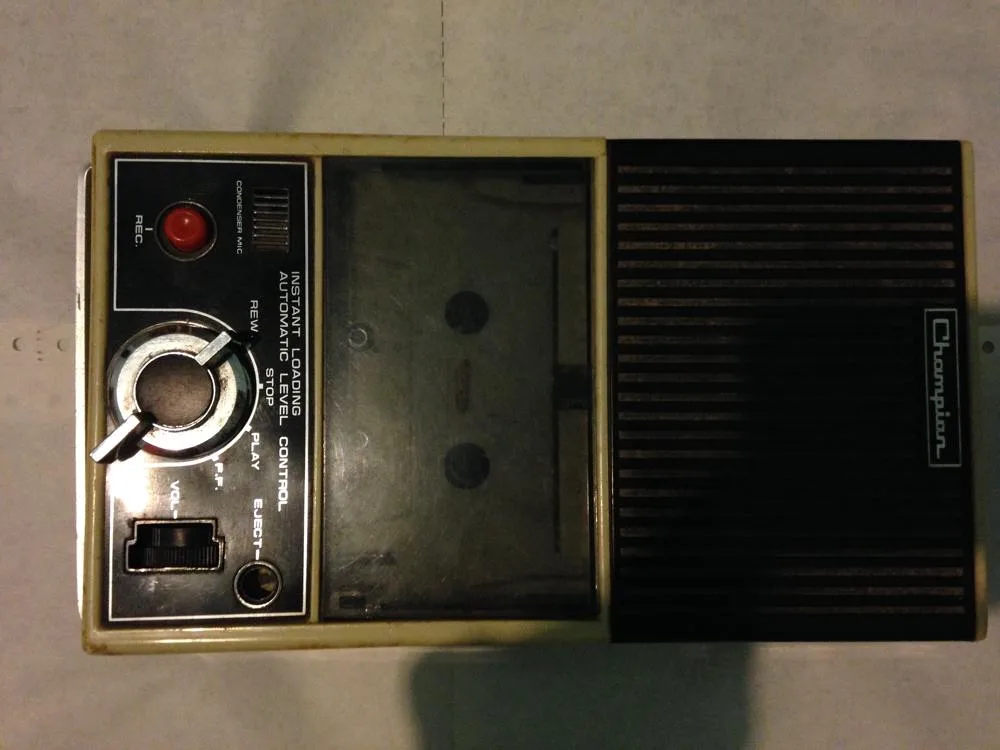
Digital organisation should make retrieval easier rather than create a complicated filing project. The approach in our guide to organising a digital photo library also applies here: establish clear names and a small number of meaningful folders before making lots of duplicate working versions.
Make copies, check them and share thoughtfully
The personal digital-audio guidance from LOC recommends descriptive filenames, saved metadata and copies in different places. It also advises checking recordings at least annually. A copy is useful only if you can locate it, open it and connect it to the correct description.
For a practical check, open the copied file rather than the original working file. Listen to the beginning, a middle section and the end, and confirm that the duration is plausible. Include the accompanying notes in the backup. Set a calendar reminder to repeat the check instead of assuming that a successful transfer ends the responsibility.
Decide who should receive recordings before uploading them widely. A private family message may contain sensitive information or the voices of people who did not expect a public audience. Ask living participants about sharing preferences where possible, and distinguish a small family listening copy from publication on an open social account.
The wider cultural context appears in our feature on World Day for Audiovisual Heritage. At home, progress can be much smaller: one identified tape, one checked transfer and one set of notes that another person can understand. Keeping a familiar voice available begins with those concrete steps.
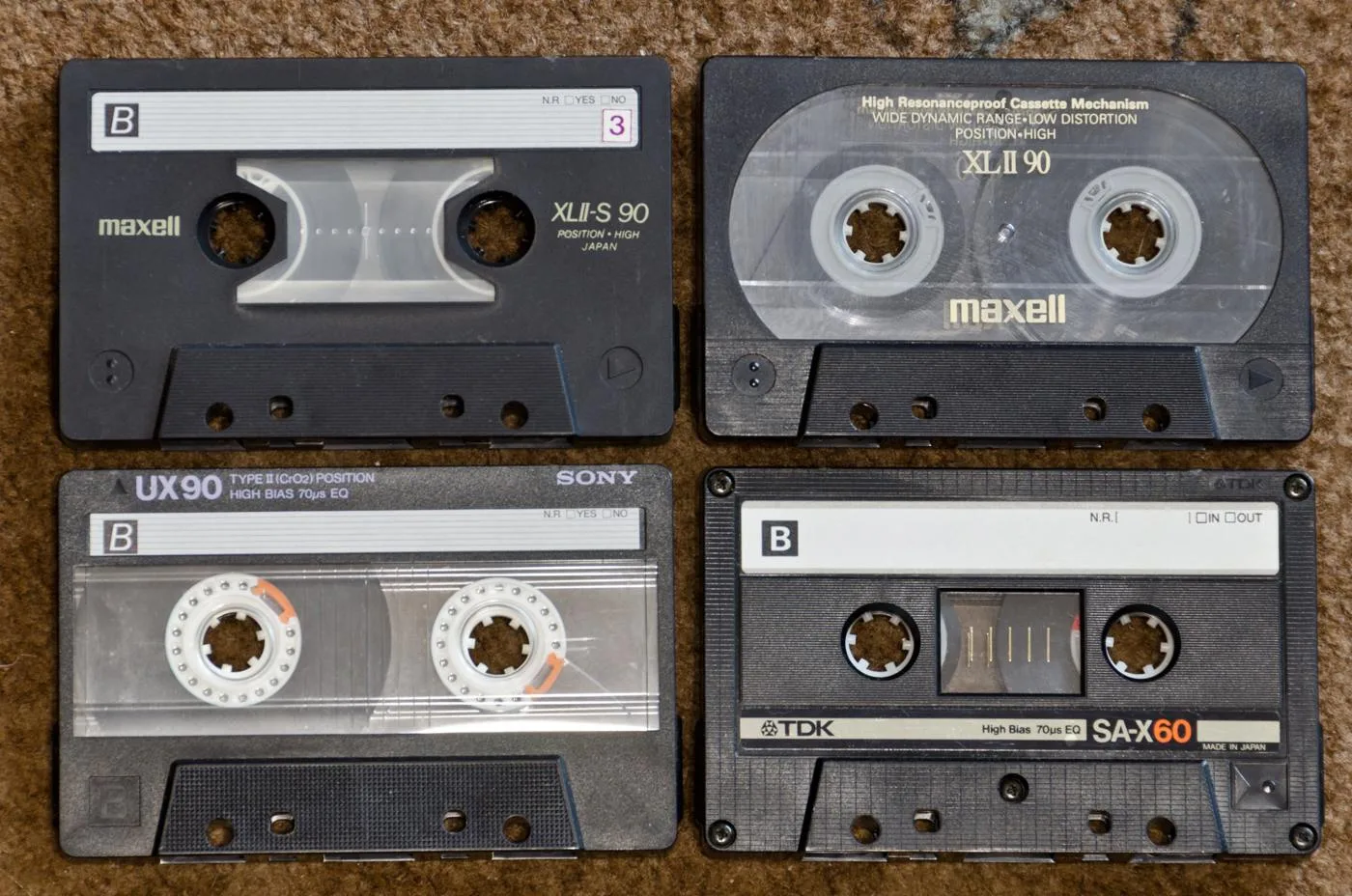
Featured photograph: Jacek Halicki / Wikimedia Commons, CC BY-SA 3.0 (https://creativecommons.org/licenses/by-sa/3.0/). Compact cassettes photographed in 2014; cropped and resized under the same licence. Illustrative archival image.

Isiagu Tobby
Wowplus editorial contributor.