Table of contents
World Day for Audiovisual Heritage 2026 falls on Tuesday, October 27, with a theme that speaks directly to the way people encounter the past: “Your Window to the World.” The occasion puts films, recordings and other audiovisual documents at the centre of a wider conversation about what societies remember.
This is not only a celebration of famous movies. A recorded conversation, a local news report or a family film can preserve voices and experiences that written records leave out. Archives help keep those materials available, while explaining where they came from and what viewers are actually seeing or hearing.
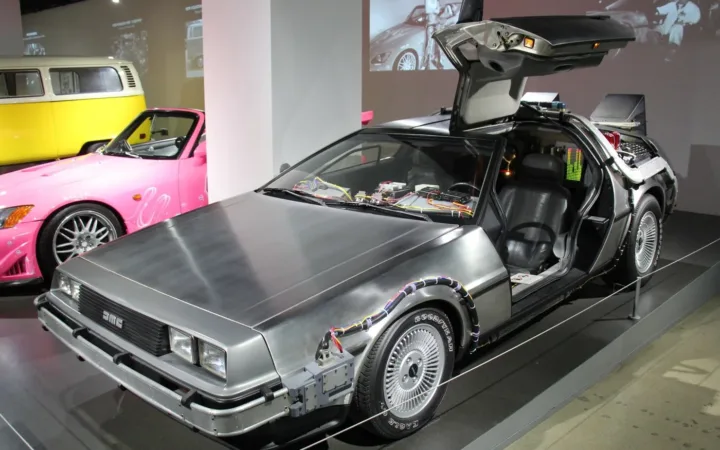
A familiar film returning to an audience is one visible part of that relationship with the past. Our coverage of Back to the Future Day’s cinema return considers that kind of rediscovery. The World Day looks further behind the screening, towards the collections and preservation work that make future encounters possible.
World Day for Audiovisual Heritage 2026: the purpose
The October observance commemorates UNESCO’s adoption of the 1980 Recommendation for the Safeguarding and Preservation of Moving Images. The organisation also connects the day with its 2015 recommendation on documentary heritage, including digital material. The shared aim is preserving records and making them accessible across generations.
As UNESCO explains, audiovisual collections reflect cultural, social and linguistic diversity. A window into another society can be a major film, but it can also be an ordinary scene whose details have become historically valuable. What is saved affects the range of stories later audiences can explore.
The scope has long extended beyond the commercial mainstream. The Library of Congress’s national film preservation plan identifies materials such as newsreels, independent work, educational films and significant home movies, including records of minority communities. That historical framework helps explain why a film need not have been a box-office success to deserve attention.
For an audience, the difference is between remembering only the most visible productions and being able to discover a broader record. Amateur footage can show a street, a community event or everyday behaviour that would never have been commissioned as a feature. The value may emerge long after the camera stopped.
Events make the work easier to see
The Coordinating Council of Audiovisual Archives Associations is gathering 2026 events on a public world map. Its listings show different ways institutions are marking the day: screenings, discussions, exhibitions and online presentations. Some activities fall before or after October 27, so the programme is wider than one date.
Recorded music belongs in the conversation too. Our feature on Chuck Berry’s centenary and recorded legacy looks at the way performances continue reaching listeners. Sound archives preserve a broader range of material, including speech and other recordings that do not fit the idea of a commercial album.
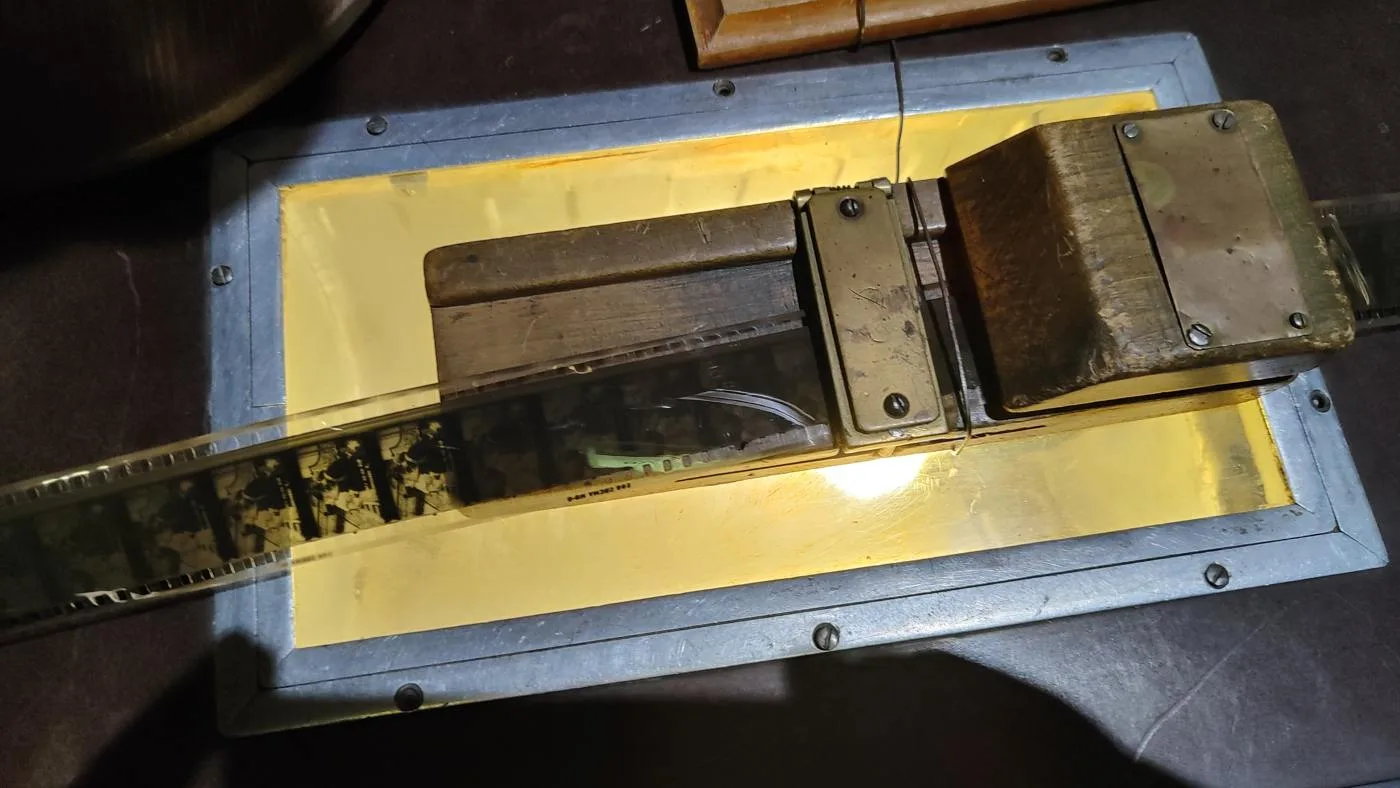
In Turin, the Museo Nazionale del Cinema’s listed programme presents a selection of digitally restored lithographic films online from October 26 through December 31. The notice describes work made for early projectors, drawing attention to an animated-film history that predates the familiar contemporary cinema experience.
Northern Ireland Screen’s Digital Film Archive lists an online screening and discussion on October 27, titled Lost and Found in the Archives. It focuses on amateur filmmakers and work that is seldom seen. That programme offers a concrete example of personal and local material becoming part of a publicly discussed cultural record.
These notices are invitations to explore, rather than evidence that every event is open in the same way. Check the organising institution’s information for access, booking requirements and local time. An online listing may describe a live session, while another provides a collection available over several weeks.
Online access is another form of discovery
UNESCO’s own archives document the organisation’s work from its early years. Its current archives page describes documentary and audiovisual collections, continuing digitisation projects and the need to safeguard fragile material. It also provides routes for researchers and other users to explore records or arrange consultation.
The Library of Congress offers another useful starting point through its National Screening Room. The library’s moving-image guide describes a collection designed to make films accessible to viewers around the world. It includes both copyrighted and public-domain works, so the ability to watch a film should not be mistaken for unrestricted permission to republish it.
The same guide points to Ira Gershwin’s home movies, with footage involving family members and figures from musical life. It also highlights a filmed 1923 performance by Eubie Blake. These examples show how a collection can connect public performance with less formal records of the people around it.
Family collections can benefit from the same habit of recording context. Our guide to preserving old photo albums considers another form of personal heritage. A name, a place or an approximate date can help relatives understand why an image or recording matters, even when it looks ordinary at first.
A small step for your own recordings
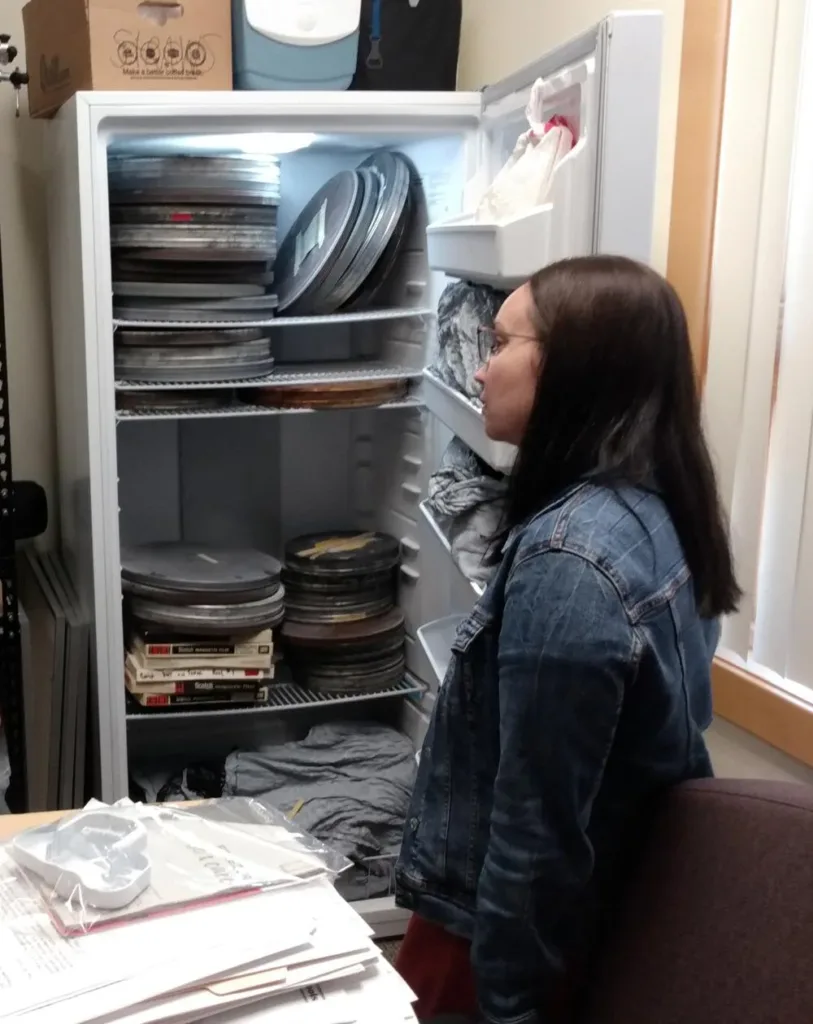
The Library of Congress’s preservation guidance suggests starting with selection and organisation. Identify the digital files you want to keep, make their arrangement understandable and save copies on at least two different storage media in separate physical locations. One device should not be the only home for an irreplaceable family recording.
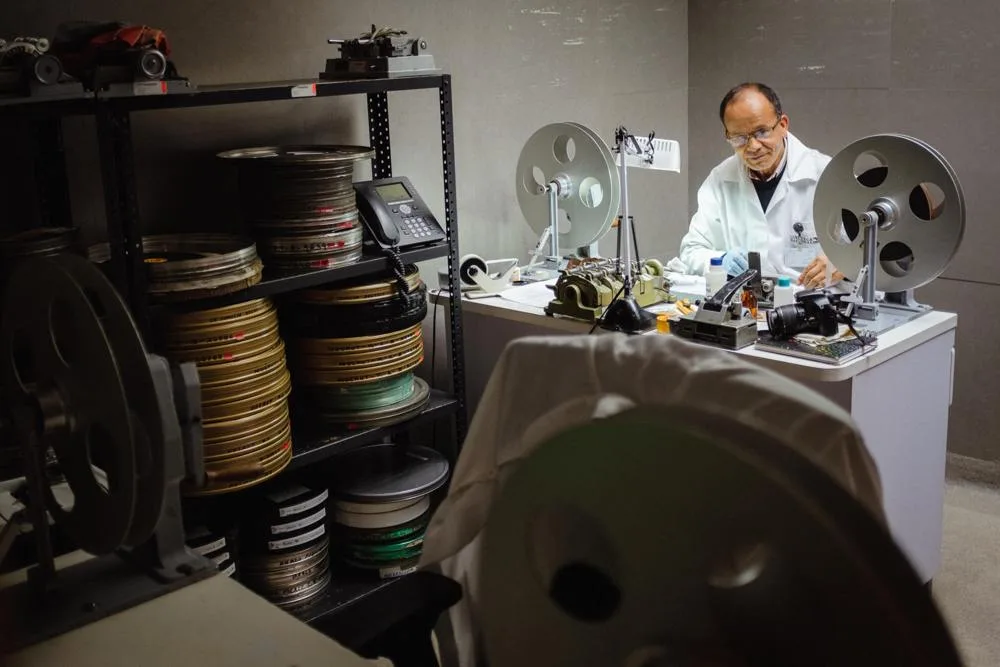
Its guidance also recommends periodically moving saved copies to current storage media. For older sound recordings or home movies, it advises looking for a laboratory experienced with the original format and with preservation work. A fragile reel and an ordinary digital video file may require very different treatment.
Digitising material can improve access to its content, but it does not by itself preserve the original physical item. Keep that distinction in mind when discussing a transfer with a specialist. The aim is a usable recording and an appropriate plan for the source, rather than assuming that one new copy settles every preservation question.
October 27 offers a simple place to begin: watch something from an archive, read its description and notice the people who made it available. Then look at a recording in your own collection. The window to the world can be a restored film from another continent or a voice your family would otherwise struggle to hear again.
Featured photograph: DurbeK82 / Wikimedia Commons. CC BY 4.0 (https://creativecommons.org/licenses/by/4.0/). Cropped and resized.

Isiagu Tobby
Wowplus editorial contributor.