

Table of contents
Kate Nash is looking back at the girl who wrote her earliest songs, with the perspective of the woman she has become. Her forthcoming sixth studio album, Cailín, puts that conversation inside an exploration of Irish family history and musical tradition. The official artist listing gives its release date as January 22, 2027, through Kill Rock Stars.
Speaking to EARMILK on November 18, Nash, 39, described a changed relationship with her beginnings. When making Made of Bricks, she was living the experiences she wrote about. With the new record, she wants to understand what shaped that younger self. The album title means “girl” in Irish.
Her public career also includes OnlyFans, a connection she confirmed directly in evidence to Parliament’s Culture, Media and Sport Committee on February 3, 2026. Our earlier report on Kate Nash’s campaign around the cost of touring examines that decision. Cailín offers a different way into her story: the creative work she wants to sustain, and the inheritance she is choosing to investigate.
Kate Nash returns to an early musical language
In the November interview, Nash traced the project’s beginnings to songwriting sessions in Los Angeles. She described feeling alienated by the competition and calculations surrounding work for major pop performers. Meeting producer KoOoLkOjAk opened a more fruitful creative relationship, one that eventually led towards this album.
That account makes the project more interesting than a simple change of genre. A familiar sound can become newly useful when someone approaches it with different questions. Returning to an early influence can mean discovering room to grow inside it, especially when the artist has spent years working elsewhere.
The September album announcement identifies Stiúideo Cuan on Ireland’s west coast as the recording location, with traditional musician Charlie Lennon involved in the process. It credits KoOoLkOjAk as producer and describes a combination of Irish instrumentation, punk energy and elements of hip-hop production. Those are the announced ingredients, with the complete record still ahead.
The instruments carry part of the story
The same announcement names contributors including Niamh Dunne, Lottie Cullen, Aimée Farrell Courtney and Lisa Canny. Fiddle, flute, bodhrán, harp and banjo sit within its description of the sessions. Nash herself plays tin whistle, which she identifies as the first instrument she learned.
Instrument choices can make heritage audible without turning a song into a museum display. A whistle can carry a melody, interrupt a heavy arrangement or connect a new song to an older musical memory. What matters is the relationship between the players and the material, rather than treating tradition as an accessory.
Nash’s artist-hosted Bandcamp notes place women across generations at the centre of the record. They describe “Irish Saints” as a remembrance of her grandmother and “Póg Mo Thóin” as following a single mother through housing pressures. These are specific narrative starting points, giving the broad word “heritage” people and situations to hold onto.
There are other ways artists have used a national musical inheritance to open up a catalogue. Our profile of k.d. lang’s voice across genres and her Canadian songbook follows an interpreter’s route through familiar writing. Nash’s project turns towards her own family memories and songs, bringing a different kind of authorship to that conversation.
A family meeting becomes an album closer
The November 6 announcement of “Christmas Eve” gives a particularly clear example. Nash says the song recalls her grandparents meeting on O’Connell Street in Dublin on Christmas Eve. She also describes her grandfather travelling to Newcastle for work before moving his family, an emigration story she connects to growing up in Britain.
These are family memories Nash has chosen to share as the song’s author. In the release, she explains that reflecting on the relationship led her to consider what she wants to leave behind through her own work. The published track list places “Christmas Eve” at the end of Cailín, giving that question a deliberate position in the album’s structure.
A closing song has a different job from a single encountered by itself. It can offer a final image, revisit an earlier idea or leave a question unresolved. Knowing the family story behind this one gives listeners a useful point of attention when the complete album arrives, without deciding in advance what their response should be.
Performance has given her several ways to tell a story
Nash’s work has already moved beyond the conventional album cycle. MCC Theater’s production record for Only Gold credits her with music and lyrics and lists her as the Narrator. The New York world premiere, directed and choreographed by Andy Blankenbuehler, closed in November 2022.
Writing for a stage production creates a different set of relationships: songs sit beside movement, dialogue, characters and the timing of a live audience. That credit adds substance to the idea of Nash as a storyteller. Her work can take the form of a record someone hears alone or a shared theatrical experience.
Her public statements about OnlyFans also describe a choice within that working life. In her parliamentary evidence, she said the account helped support touring and draw attention to musicians’ circumstances. That testimony establishes her own explanation for participating; it does not supply a complete account of her private finances.
The value of taking a creator’s explanation seriously also runs through Neyleen Ashley’s discussion of personal boundaries. Each person is describing a different decision. A public image becomes more informative when it is read alongside the choices its subject has actually explained.
The next chapter has a date, and room for discovery
The official Cailín listing contains 12 tracks, including “Famine,” “Spilt Milk,” “Freedom of Me” and “Christmas Eve.” Several songs are already available, while the album remains a forthcoming January 2027 release. A preview of the project should preserve that distinction between what has been announced and what listeners have yet to hear as a whole.
The most compelling thread is the movement between generations. Nash is looking towards the child she remembers being, the relatives whose experiences shaped her family, and the work she will leave for listeners. Those connections give the new album a particular subject beyond the familiar language of reinvention.
A creator can return to her beginnings without returning to the same point. Nash’s next record brings an adult perspective to an early musical world. The interest lies in what happens when those two voices meet: the memories that remain familiar, the questions that have changed, and the music she makes from the distance between them.
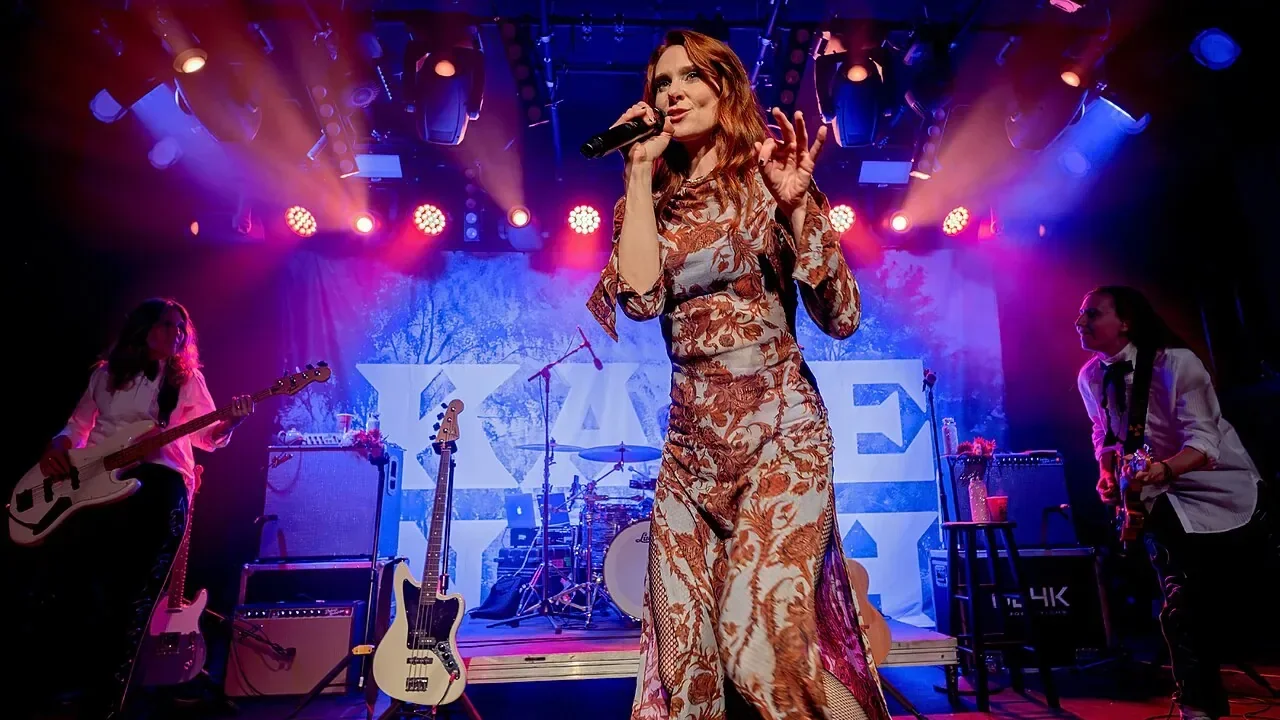
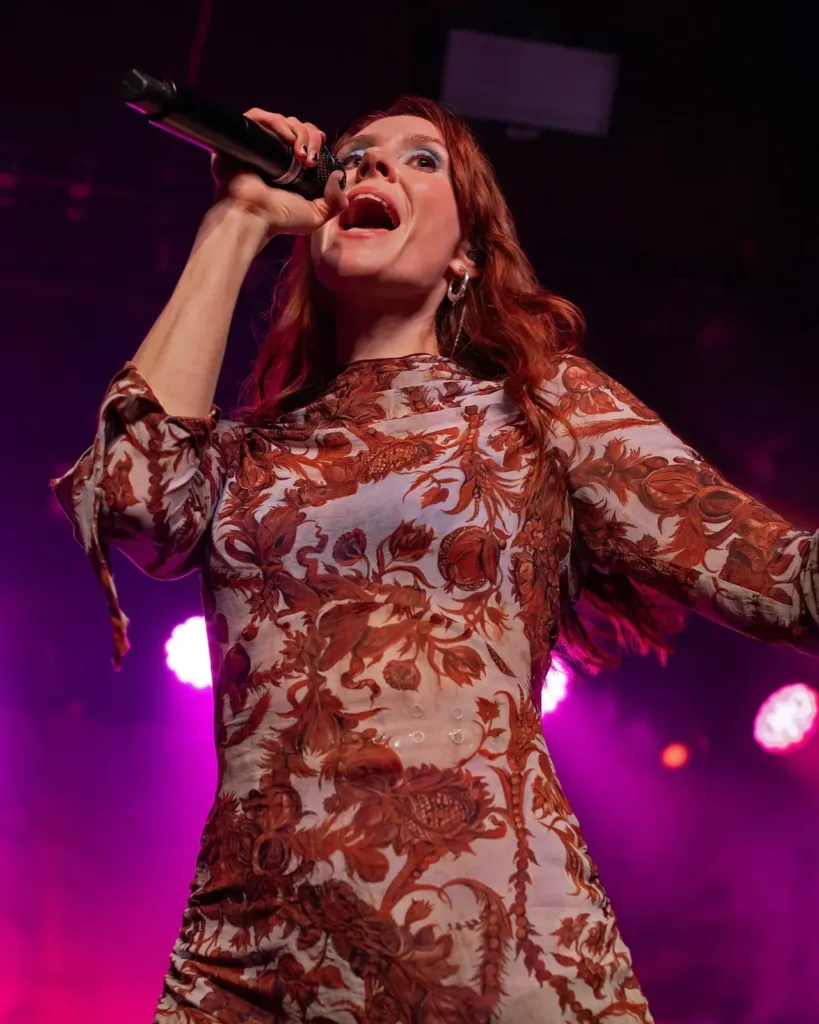
Featured photograph: Kate Nash at the Teragram Ballroom, November 2, 2024. Photo: Justin Higuchi, shot for Pass The Aux, via Wikimedia Commons, CC BY 2.0. Cropped, resized and converted to WebP. Source: commons.wikimedia.org/wiki/File:Kate_Nash_@_Teragram_Ballroom_11_02_2024_(54231175304).jpg. License: creativecommons.org/licenses/by/2.0/.

Isiagu Tobby
Wowplus editorial contributor.