



Table of contents
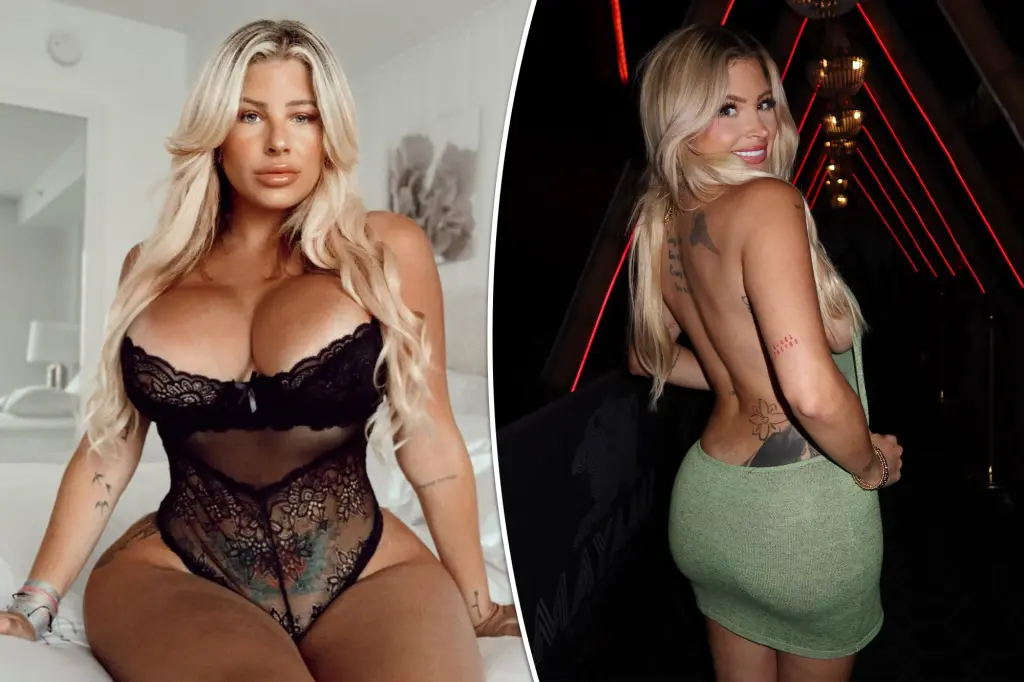
Neyleen Ashley celibacy became a public story in 2023 after the influencer said she was stepping away from sex to protect her peace, rebuild her sense of self and look for relationships based on emotional connection rather than physical attention.
Ashley, who built a large audience through social media and subscription content, described the decision as a personal boundary rather than a rejection of dating. She said she still wanted companionship, but no longer wanted intimacy to come before trust, respect and a genuine interest in who she was away from her online image.
Her comments drew attention partly because they appeared to conflict with the persona many followers associated with her work. Ashley’s public career has included provocative modeling and adult-oriented content, but she argued that what she sells online and what she chooses in her private life are separate decisions. That distinction is central to understanding the story.
It also reflects a wider issue for public-facing creators: audiences can confuse access to a persona with access to the person. Wowplus explored a similar boundary in its report on Riley Reid’s request for more privacy, where visibility did not erase the need for limits around family and personal life.


What Neyleen Ashley said about choosing celibacy
In interviews published at the time, Ashley said the turning point followed a painful breakup. She described feeling emotionally abandoned and said the experience made her reconsider how she approached sex, relationships and validation.
UOL reported that Ashley said she had also experienced a miscarriage before the relationship ended. She described the combination of grief and heartbreak as a major reason she wanted distance from sexual relationships while she focused on healing.
Ashley also spoke about having previously felt dependent on sexual attention and release. She used the language of addiction to describe that period of her life, saying she had once struggled to function without constant sexual stimulation. Because those claims were self-reported, they are best understood as Ashley’s description of her own experience rather than a medical diagnosis.
Her stated goal was not simply abstinence for its own sake. She said she wanted to stop using intimacy as a substitute for emotional security and to become more comfortable giving herself the care and reassurance she had often sought from partners.
Why her online work and private boundaries are not the same thing
One reason the story attracted so much attention was the apparent contrast between celibacy and Ashley’s adult-content business. That contrast can be misleading. Producing sexualized content for an audience is a form of work and performance; choosing whether to have sex in private is a separate personal decision.
Creators who earn money from an image often have to negotiate that gap between public expectation and private control. Wowplus examined a related question in its look at Bella Thorne’s image-control story, which focused on how creator platforms can change who gets to decide how a public persona is presented.
For Ashley, celibacy appeared to function as one way of reclaiming that distinction. She continued to describe herself as a sexual person while insisting that access to her content did not mean anyone was entitled to access to her body or a relationship with her.
That point matters because the older version of this story framed her decision as evidence about sex workers generally. Ashley’s experience does not prove anything universal about adult creators, mental health or relationships. It is one person’s account of how heartbreak, grief and a highly sexualized public identity affected her sense of control.
Dating remained part of the picture
Ashley did not say she wanted to remove romance from her life permanently. She said dating was still possible, but that she told potential partners early that she was celibate. According to her account, some men treated that boundary as something they could change rather than something they needed to respect.
She described that reaction as one of the reasons the celibacy decision felt useful. It allowed her to see more quickly whether someone was interested in spending time with her as a person or mainly focused on sex. In that sense, the boundary became a filter for the kind of connection she said she wanted.
Creators frequently have to redefine themselves when an older image no longer fits how they want to live. Wowplus recently covered that kind of reset in Tana Mongeau’s creator reset, where the larger question was how a person with a long public history can change direction without pretending the earlier version never existed.
Ashley’s case is different, but the underlying tension is similar. A public brand can keep circulating long after the person behind it has changed priorities. That can make personal boundaries harder to communicate, especially when followers are used to seeing an intimate or provocative version of a creator online.
Later comments fit a broader shift toward self-protection
In 2024, Ashley spoke publicly about regretting multiple cosmetic procedures and said the surgeries had not given her the confidence she expected. That later discussion was about body image rather than celibacy, but it fits the same broader theme: questioning choices that were once tied to external approval and reassessing what actually made her feel secure.
It would be a mistake to turn that into a simple before-and-after story. Personal change is rarely that neat, and public interviews capture only the part someone chooses to share. There is also no reason to assume that one period of celibacy permanently defines Ashley’s relationships today unless she says so herself.
What can be said with confidence is that her 2023 comments were unusually direct about grief, validation and the difference between being desired and feeling cared for. She described celibacy as a tool that gave her space to separate those experiences.
That framing makes the story more useful than the original headline-grabbing claim that “no man deserves” to sleep with her. The deeper point was about agency. Ashley said she wanted to decide what intimacy meant for her, rather than allowing a partner, an audience or an online persona to make that decision by default.


The lasting point is personal choice, not a rule for everyone
Celibacy is not automatically a treatment for heartbreak, grief or compulsive behavior, and Ashley’s experience should not be presented as medical advice. People dealing with trauma, compulsive sexual behavior or serious emotional distress may benefit from speaking with a qualified mental-health professional rather than relying on a celebrity story as a guide.
For Ashley, however, the choice was described as a way to create breathing room. She wanted to slow down, protect her emotional energy and place more value on connection than on attention.
That is why the story still resonates beyond the shock value attached to an adult-content creator choosing celibacy. It is ultimately about a familiar question: how much of yourself should be available to other people, and what happens when you decide the answer has to change?


Terry Paul
Paul Terry is a publisher and an author in wowplus.net and other news channel