

Table of contents
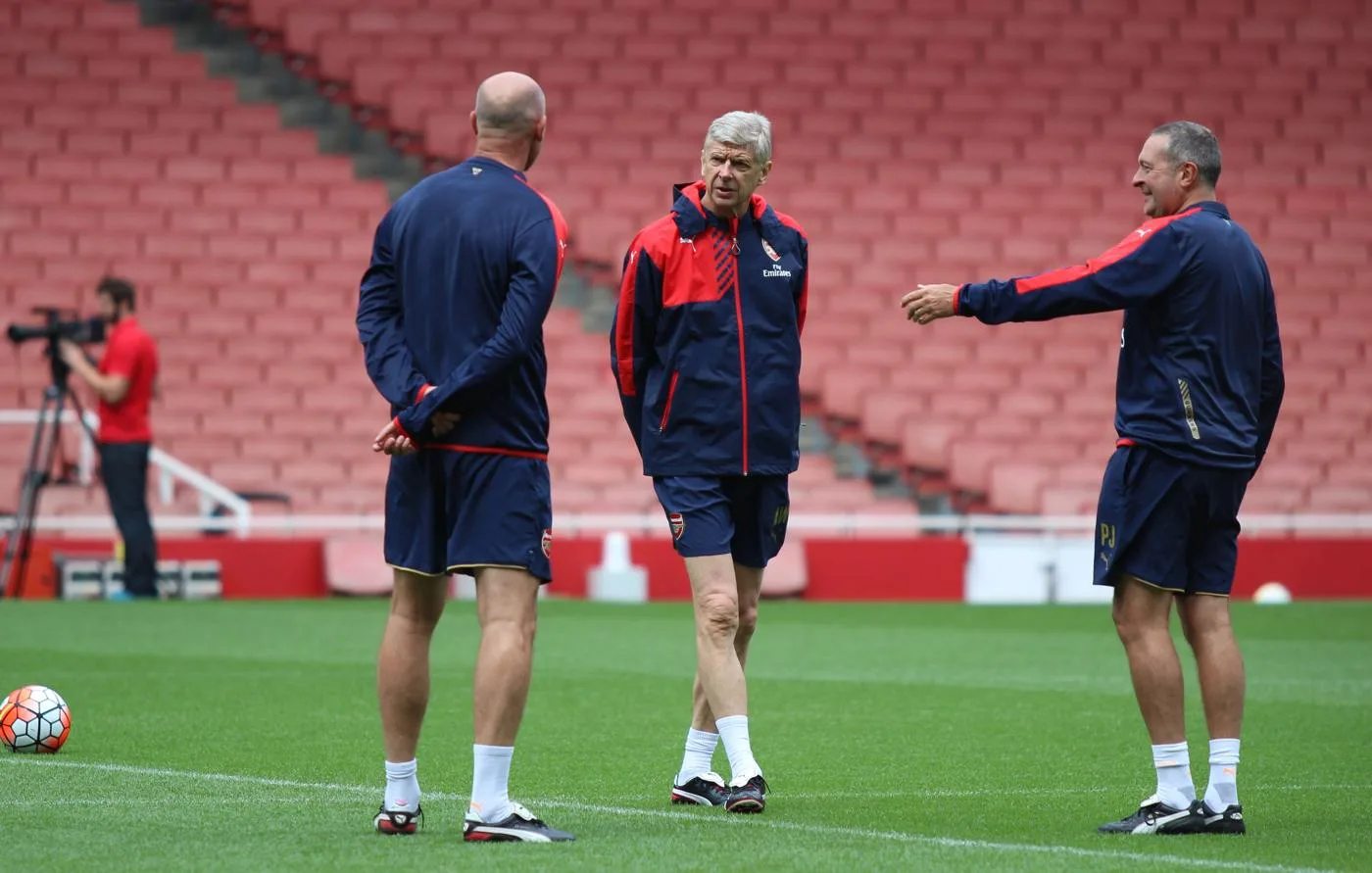
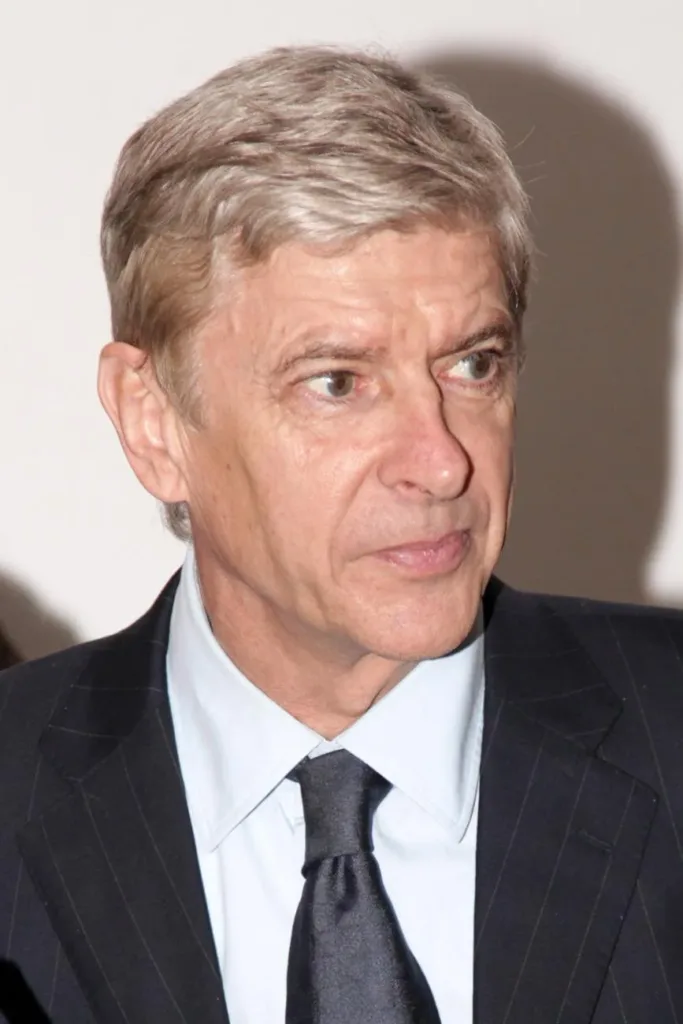
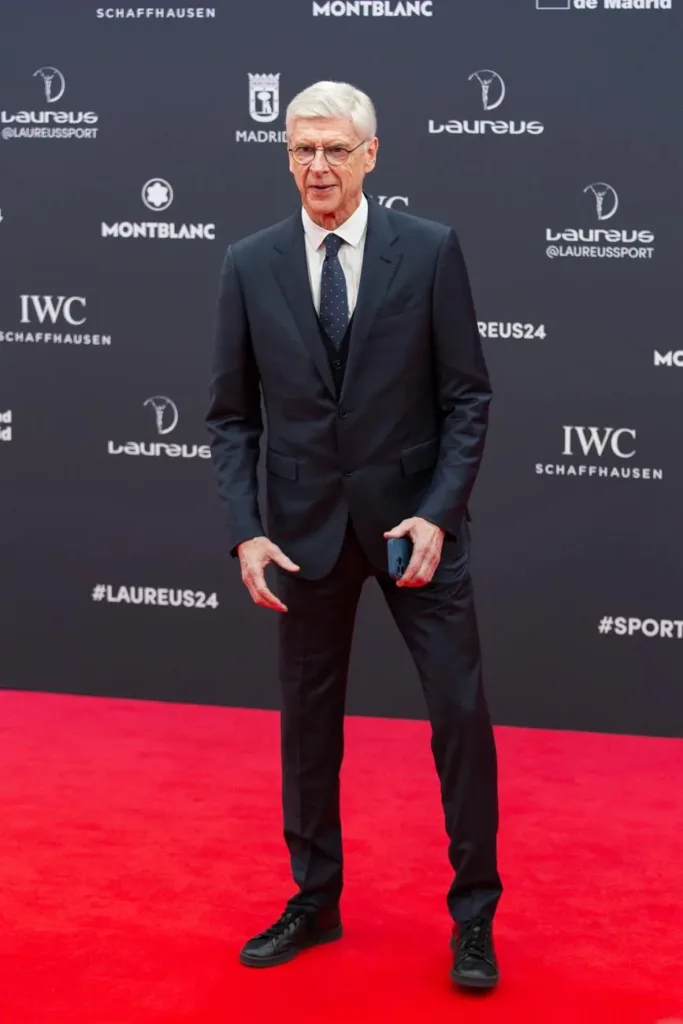
Arsène Wenger at 77 is a birthday story with work still ahead of it. Born on October 22, 1949, the former Arsenal manager reaches the milestone today while serving as FIFA’s chief of global football development. Two days from now, a new international event for under-15 boys is scheduled to begin in Azerbaijan.
That proximity offers a useful way to look at his career. Arsenal supplied the league titles, the unbeaten season and the weekly pressure of selecting a team. His present responsibilities concern the systems that might help a young player reach that level in the first place. The connection is development, even though the scale and the job are different.
Wenger remains part of the conversation about the club’s standards, as our archive report on Arteta’s ambitions to surpass Wenger showed in September 2024. That is historical coverage, rather than a new statement on his birthday. Today’s milestone is a chance to separate the achievements already recorded from the development plans that still need results.
The Arsenal record that still defines his name
The Premier League’s Hall of Fame account credits Wenger with three league titles and a record 22 seasons at Arsenal. His first full campaign brought the 1997/98 championship. The unbeaten 2003/04 title season later made the Invincibles a lasting reference point for consistency across an entire league campaign.
The same account records 828 Premier League matches under Wenger, with 476 wins and 199 draws. It also highlights overseas recruitment, including Thierry Henry and Patrick Vieira, and the attacking football associated with his teams. Those are substantial results, but their meaning goes beyond collecting individual famous names. Recruiting a player and making that player effective within a side are connected tasks.
Arsenal’s own FA Cup history adds seven wins in that competition, the last coming against Chelsea in 2017. Aaron Ramsey’s winning goal completed a 2-1 final victory. These cup successes belong alongside the league record: they show that his period in charge cannot be reduced to one exceptional season, however distinctive the Invincibles remain.
The practical question of how a manager uses available players continues in our Arsenal comeback and bench analysis. It is a different team and period, but it illustrates why management histories need more than trophy totals. Substitutions, roles and opportunities are the ordinary decisions through which a wider football philosophy has to become useful on the pitch.
From identifying talent to building a pathway
At the FIFA Congress in Vancouver earlier this year, Wenger discussed the Talent Development Scheme. FIFA’s May 1 account reported participation from 193 member associations, support for 600 tailored projects and 55 active talent academies. Those figures describe the programme at that point in time; they are not a fresh count announced for his birthday.
His argument was that success needs a connected route from youth football to senior competition. Alongside chief football officer Jill Ellis, he called for investment in the next generation and structured opportunities. The useful distinction is between spotting a promising child and giving that child somewhere appropriate to train and compete over several years.
An academy total alone cannot tell a supporter whether every participant has a good coach, suitable facilities or a realistic next step. Those are questions for implementation and evaluation. A development programme should eventually be judged through the experiences and progress it creates, rather than treating its announcement or geographic reach as sufficient proof of success.
The appearance of young players in senior matches, discussed in our Liverpool comeback report involving Rio Ngumoha, shows one visible end of that wider process. It does not establish a connection with FIFA’s scheme. Club pathways and international development programmes are separate structures, even when both are concerned with giving talent the opportunity to become performance.
A new under-15 event begins this week
According to FIFA, the inaugural U-15 World Cup & Festival for boys runs from October 24 to 30 in Baku. The announced format uses eight-a-side matches with two 20-minute halves. Players eligible for this edition were born in 2011 or 2012, and each participating delegation can include 14 players.
The design combines an initial qualifying phase with a tiered competition phase intended to bring together teams of similar ability. FIFA says all participants will play on the final day. A girls’ edition is planned for 2027, with both events intended to run annually from 2028. Those later editions remain plans, not tournaments that have already taken place.
For younger players, a short international festival can offer an experience that differs from a senior championship. Playing time, appropriately matched opposition and the chance to meet other teams matter alongside results. Whether the Baku format delivers those benefits will become clearer when matches are played and participants can describe what worked.
Arsenal has already given Wenger a permanent public tribute: its bronze statue depicts him lifting a Premier League trophy outside Emirates Stadium. The club identifies sculptor Jim Guy as its creator. A statue fixes a familiar image in place; development work concerns people whose football stories are still taking shape.
Arsène Wenger at 77 therefore brings together two different kinds of evidence. His Arsenal achievements are established history. His current youth-development responsibilities involve programmes and a tournament whose practical outcomes remain open. Celebrating the first does not remove the need to examine the second, and following both gives this birthday a fuller sporting context.

Isiagu Tobby
Wowplus editorial contributor.