Table of contents
Trisha Paytas spent years telling stories in videos and conversations that audiences could watch as events unfolded. With Crying on the Kitchen Floor, released on November 10, the longtime creator has put a selection of those experiences in a fixed order. The move to a book gives Paytas an opportunity that a busy online schedule rarely allows. There is time to put an older event beside a later one and decide what it means in that company.
The US listing at Hachette identifies the book as a Grand Central Publishing memoir and lists print, ebook and unabridged audio formats. Paytas reads the audiobook. For an audience used to hearing the creator on a screen, the audio release preserves a familiar voice while giving the story the pace of a book.
Tyler Posey’s experience building a following across different formats offers another way to look at the move. A recognizable voice can travel with a performer even as the audience’s expectations change. A subscriber, a theatre audience member and someone choosing an audiobook may like the same person. Each of them has come for a different experience.
What a memoir gives Trisha Paytas room to do
A feed often gives the newest post pride of place. A book asks someone to begin with the first chapter and makes the writer responsible for what follows. That arrangement encourages a reader to look for patterns that might have been hard to see when a story reached them one upload at a time. It creates an opportunity for a creator to supply context while the reader is still paying attention.
Paytas had already tried presenting stories through many formats. In a 2023 Polyester interview with Jordan Firstman, Paytas described working across a main video channel, ASMR, social accounts and OnlyFans. The interview makes clear how many different jobs could sit under one name. Filming a video for a longstanding audience and planning a paid subscription feed involve separate expectations about what turns up and when.
Even the same memory can sound different depending on when and where someone shares it. A brief upload can preserve the immediacy of a particular day. In a later account, a writer can explain what happened before that day and how the story looks from further away. The memoir’s premise is especially recognizable to anyone who has watched one of Paytas’s stories take shape in public.
From individual viewers to a Broadway audience
In February 2025, Trisha Paytas’ Big Broadway Dream was staged for one night at the St. James Theatre in New York. The performance gave people who knew Paytas from their own screens a chance to respond together in a theatre. It also had a streaming option, carrying the event to people who could follow it only from elsewhere.

There is a practical difference between performing for a room and talking into a camera. A theatre show has a start time, a sequence for the people onstage and an ending the audience reaches together. The creator’s familiar name gives viewers a reason to arrive, while the performance has to hold up as a shared event. Paige VanZant’s move between television and subscriptions illustrates another way an audience can learn to follow a creator in more than one setting.
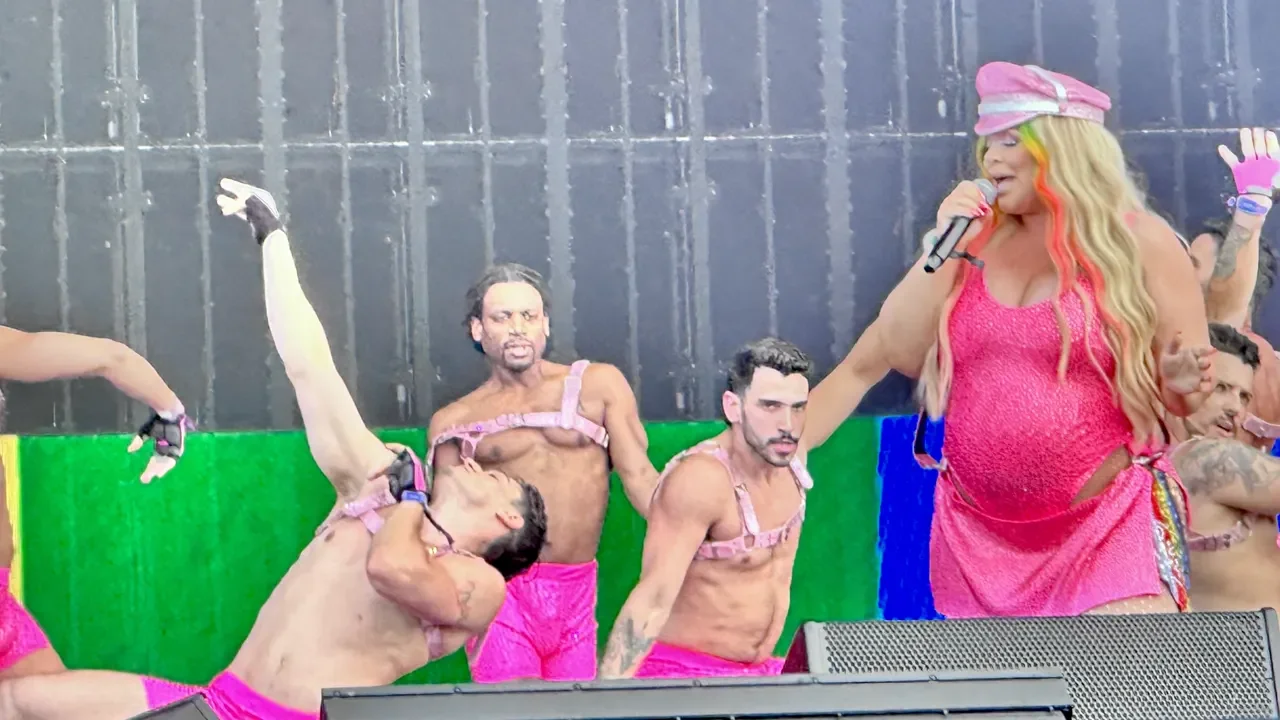
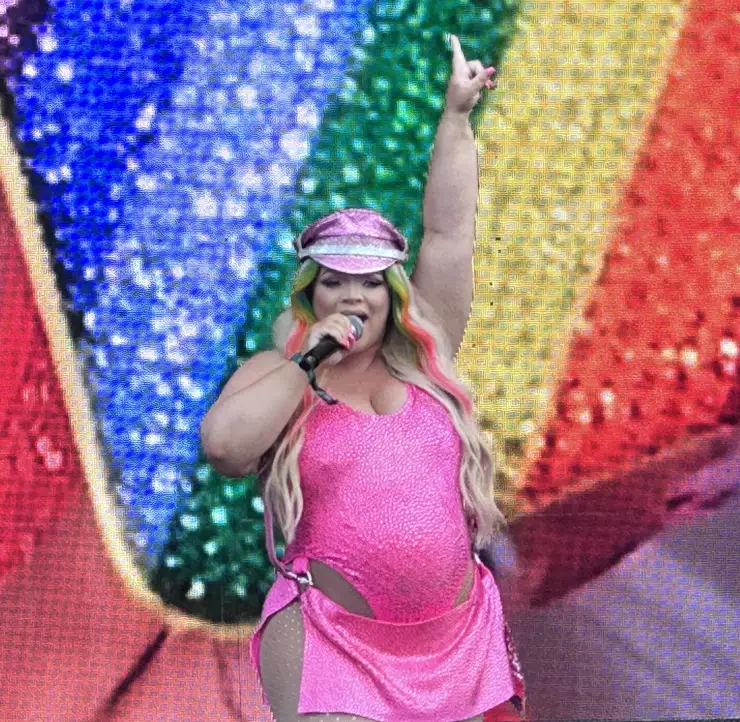
Paytas also performed at the WorldPride Music Festival in 2025. Photographs of that performance capture a public role that a still image from a personal video could only suggest. There are dancers, a microphone and a stage built to be seen from a distance. Each piece helps the performer communicate with people who are taking in the same show from very different places.
Why hearing the author makes a difference
A self-narrated memoir lets the listener hear how the person with the memories chooses to tell them. A sentence can move quickly or pause to let a detail settle. Readers of the printed book can make those choices themselves, spending more time on a particular passage or going back to something from the beginning.
Paytas’s earlier platforms also offered choices about access. People could follow public videos or choose the separate work the creator had made for a subscription. With an audiobook, the encounter has a beginning and an end set by the book. The person listening can pick it up the next day at the same sentence, without needing to reconstruct what has happened in a feed overnight.
Kate Nash’s account of giving a project an identifiable point of view offers a useful parallel. Familiarity helps people find new work by someone they have followed before. What gives that work its shape is the set of choices that makes it possible to experience on its own.
For Paytas, the November release puts years of publishing in front of a reader who may have encountered those years in fragments. Someone who starts with the book can move through the story at a pace they choose. Someone who listens gets to hear Paytas take those same chapters in order, with the time to finish each thought.

Isiagu Tobby
Wowplus editorial contributor.