



Table of contents
Shohei Ohtani pitching shutdown is now the most likely outcome for the rest of the 2026 season, with the Los Angeles Dodgers star saying he expects to focus on hitting rather than risk turning several physical problems into something more serious.
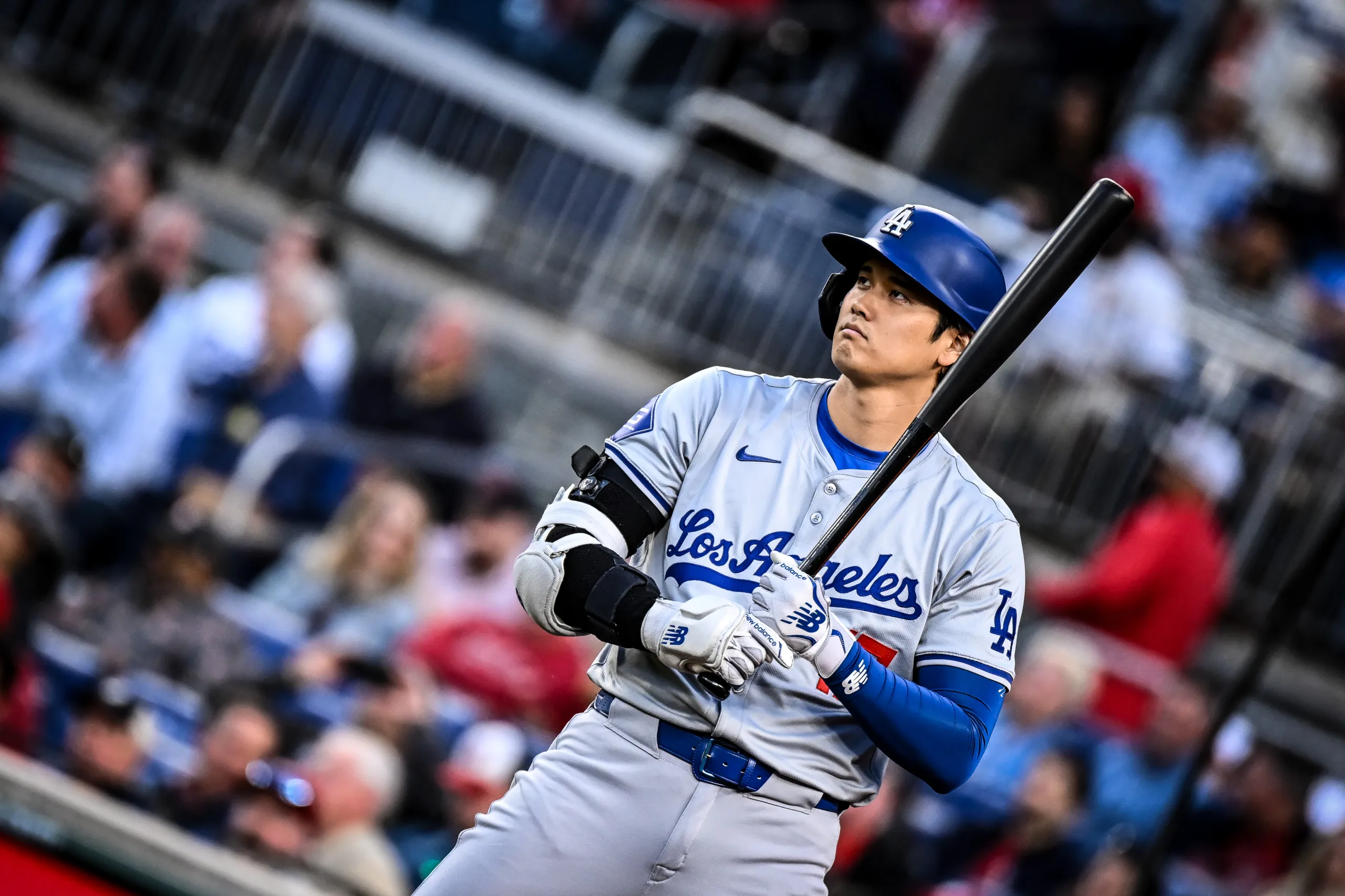
Ohtani returned to the Dodgers lineup as designated hitter against the Cincinnati Reds on Monday after missing four games. He had been dealing with a left knee issue along with soreness in his right biceps and neck, and he has not pitched since July 3.
Asked after the game whether he expected to return to the mound this year, Ohtani said through a translator that the answer was “most likely no.” His explanation was practical: avoiding pitching gives him the best chance to remain available as a hitter instead of creating a scenario in which he cannot play at all.
That decision fits a wider reality in elite sport, where the hardest part of an injury comeback is often knowing when not to push. Wowplus recently covered Jakob Ingebrigtsen’s return after Achilles surgery, another example of a star athlete balancing competitive urgency with the longer timetable of recovery.
Why Ohtani is choosing hitting over pitching
Ohtani’s value comes from doing something almost no modern baseball player can match at his level: he can influence a game as both an elite hitter and an elite pitcher. That makes any decision to remove half of his two-way role significant, especially late in a season when the Dodgers are trying to position themselves for October.
But the calculation changes when pitching threatens his ability to hit. The throwing motion places heavy stress on the arm and requires a different physical workload from batting as a designated hitter. With a knee problem plus biceps and neck soreness, the Dodgers have little reason to gamble with a player who can still contribute every day at the plate.
The recent hitting numbers have not been ideal. Ohtani returned Monday and went 0-for-3 with a walk, leaving him 2-for-26 over his previous seven games at the time of the report. Even so, his season-long offensive production remains substantial, with a .277 batting average, 30 home runs and 80 RBIs.


That is why a hitting-only Ohtani is still a major asset. The Dodgers are not choosing between a healthy two-way star and a designated hitter. They are choosing between preserving one high-level role and risking both.
His 2026 pitching season was strong before the injuries
Ohtani’s likely shutdown is more frustrating because his work on the mound had been excellent. Before the July pause, he was 8-2 with a 1.79 ERA over 14 starts, giving the Dodgers frontline production while continuing the remarkable two-way career that has made him one of baseball’s biggest global stars.
The disappointment also comes after a long road back to regular pitching. Ohtani did not pitch during the 2024 season following elbow surgery, so every healthy start since then has carried extra attention. Another interruption naturally raises questions about how the Dodgers should manage his workload in future seasons.
Injury management can reshape a star’s role without ending a career. Wowplus has followed that pattern with Tiger Woods’ Achilles setback, where the conversation quickly moved from one injury to the larger question of how an exceptional athlete adapts when the body no longer allows the same schedule.
Ohtani is only 32, and nothing in the current reporting suggests the Dodgers are abandoning his future as a pitcher. His own comments point toward the opposite idea: treat this season as a learning experience, get healthy and use what happened to improve the plan for next year.
The Dodgers can afford patience because he still changes games
For many teams, losing a pitcher with Ohtani’s numbers would force a complete rethink. The Dodgers still feel the loss, but their unusual advantage is that the injured pitcher remains available as one of the most dangerous hitters in baseball.
Manager Dave Roberts has emphasized Ohtani’s health and the needs of the team, with no current plan to rush him back to the mound. That approach becomes easier when the club can keep his bat in the lineup while other pitchers cover the rotation.
The balance is similar to the recovery decisions football clubs make with star players. Wowplus reported on Victor Osimhen’s staged injury recovery, where training load and gradual progress mattered as much as the desire to return quickly. Baseball’s mechanics are different, but the principle is familiar: availability over a long season can matter more than winning one week’s fitness race.


Ohtani has already shown that his career can survive a season in which pitching is removed. In 2024, he remained an enormous offensive force while recovering from elbow surgery, and the Dodgers still reached the sport’s biggest stage.
A hitting-only role changes October strategy
If Ohtani does not pitch again, Los Angeles loses one of its most intimidating postseason options. A healthy Ohtani on the mound can shorten a series, reduce pressure on the rest of the rotation and create lineup decisions opponents rarely face against another team.
Without him pitching, the Dodgers will need their other starters and bullpen to absorb those innings. But keeping Ohtani healthy enough to hit every day may be the more valuable trade-off if the alternative is a setback that removes him from the lineup completely.
The timing also matters because the regular season is already in its final stretch. Building a pitcher back up after more than two months away is not as simple as declaring him healthy for one start. He would need enough workload to be effective and safe, which leaves less room for experimentation as the postseason approaches.
According to Reuters, Ohtani described the situation as disappointing but said he wants to learn from it and improve for next season. That is a more measured message than treating a September return to pitching as something that must happen at any cost.
The bigger story is protecting the two-way career
Shohei Ohtani pitching shutdown would be disappointing for fans who want to see the complete two-way spectacle, but it may also be the decision that protects more of that spectacle in the future. The Dodgers have invested in a player whose uniqueness depends on keeping both sides of his game sustainable over several seasons, not squeezing every possible inning from one year.
For now, the simplest version of Ohtani is still extraordinary. He can stay in the heart of the Dodgers lineup, contribute during a playoff race and avoid the additional strain of pitching while his knee, biceps and neck recover.
There will be time in the offseason to examine why the injuries accumulated, how his pitching workload should be structured and whether the next two-way build-up needs to be more conservative. The immediate job is smaller: keep him healthy enough to hit, help the Dodgers now and make sure a temporary shutdown does not become a longer-term loss.


Isiagu Tobby
Wowplus editorial contributor.