

Table of contents
Planning a picnic starts with one useful question: what will make this particular group comfortable outdoors? A basket and a blanket look inviting, but the outing works better when everyone knows where to meet, what to bring and how long they expect to stay. A small, clear plan leaves more room for conversation once the food is unpacked.
There is no need to turn a casual lunch into a large event. Choose a manageable number of people, agree on a spending limit and decide whether you are sharing food or bringing individual meals. For a first attempt, a familiar location and a short afternoon can be easier to organise than an ambitious trip with several stops.
Agreeing on expectations is especially helpful when friends have different ideas about the day. Some want a quiet catch-up; others imagine games and a larger gathering. The same principle behind planning a first book-club meeting applies here: a little agreement beforehand helps everyone arrive prepared for the same experience.
Planning a picnic around the people and the place
Check the venue before choosing a menu. Look for current opening times, entrance charges, booking requirements and rules covering food, pets, music or cooking. A park being open does not automatically mean every activity is permitted. If you are relying on a particular table or sheltered area, establish whether it can be reserved or is available only on arrival.
Think through the journey from the entrance to the eating spot. A long walk with a heavy cooler may change the plan for someone travelling with children, using a mobility aid or simply carrying several bags. Ask guests what would make access easier. Toilets, seating and a clear meeting point deserve as much attention as the view.
Send one message with the location, arrival time, transport arrangements and an approximate finishing time. Include a recognisable meeting point rather than only the name of a large park. Check the weather forecast before leaving and agree on a rain alternative. That could mean another date or an indoor meal, rather than spending the morning exchanging uncertain messages.
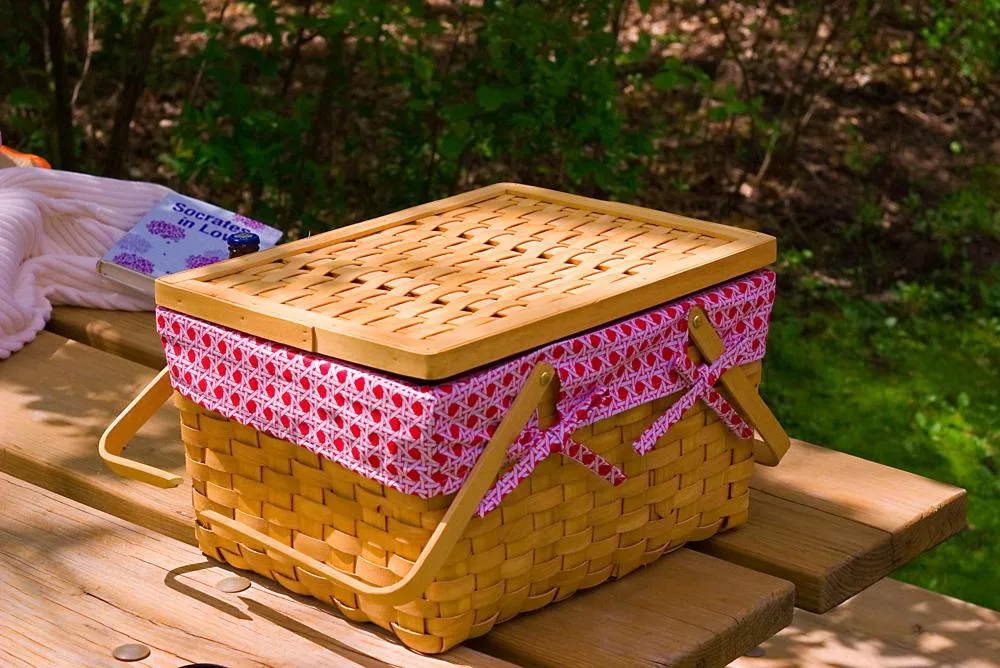
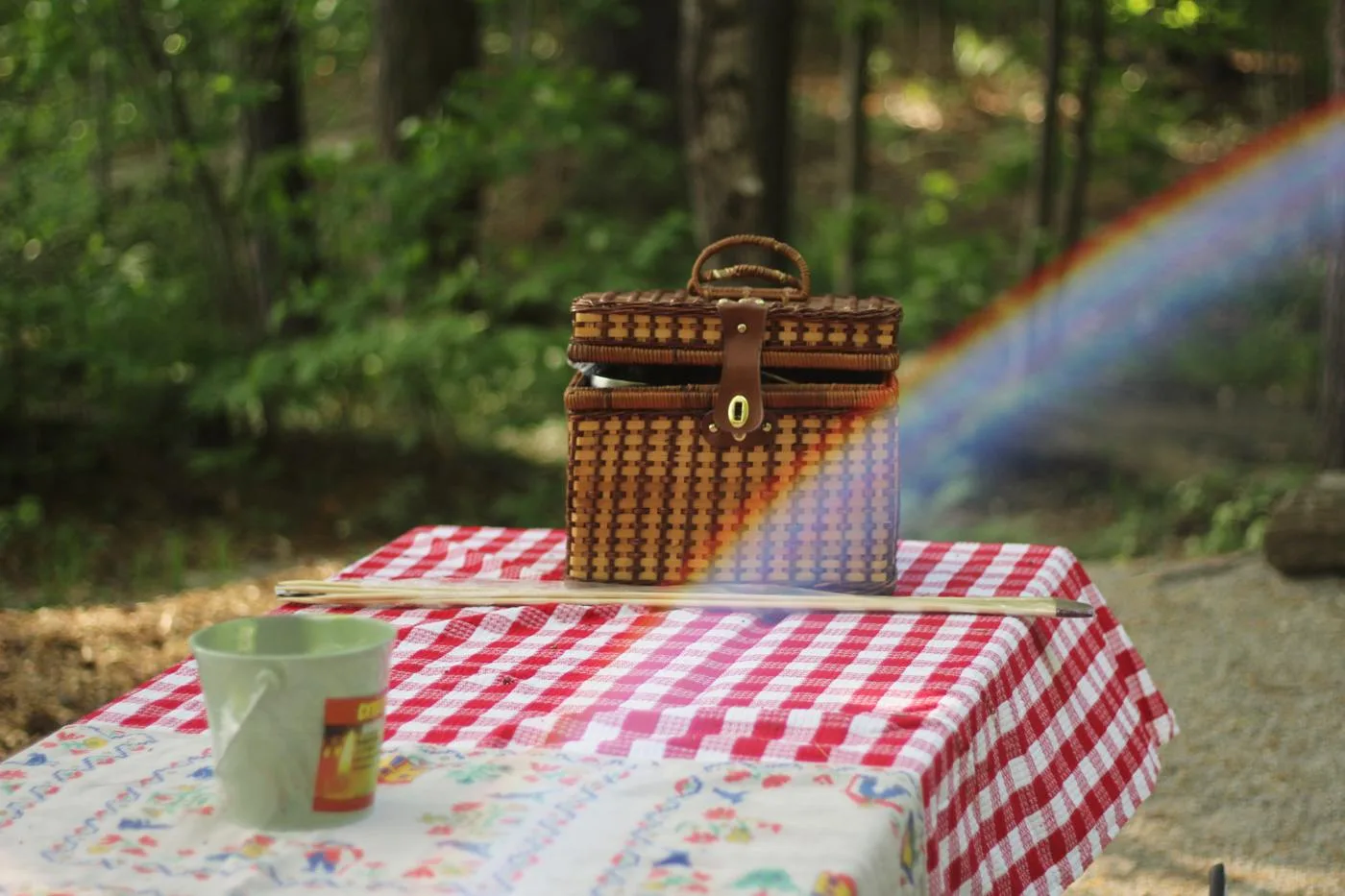
Pack for sitting comfortably as well as taking photographs. A blanket, suitable seats, drinking water and clothing appropriate to the conditions are practical starting points. If the invitation is more formal, our guide to garden-party attire offers outfit ideas; a casual picnic can follow its own simpler dress expectations.
Keep the menu small and the food properly chilled
Ask about allergies and dietary requirements before buying ingredients. Label shared dishes clearly and keep ingredient information available rather than expecting guests to identify everything by sight. Choose foods that are straightforward to transport and serve. Avoid adding a cooking setup unless someone has agreed to manage it and the venue allows it.
The outdoor-food guidance from the FDA recommends keeping cold perishables at 40°F or below, approximately 4.4°C, using a cooler with ice or frozen gel packs. Keep it closed as much as possible. A separate drinks cooler can reduce repeated opening of the food container. Check the temperature with a thermometer rather than judging it by touch.
Clean hands, utensils and serving surfaces matter outdoors too. Rinse produce under running tap water before packing, and keep raw meat juices away from ready-to-eat food. Once cold perishables are served, the FDA says they should not sit out longer than two hours, or one hour when outdoor temperatures exceed 90°F, approximately 32°C. Discard food that exceeds those limits.
Make a short equipment list while deciding the menu. Count plates, cups and utensils against the actual number attending, then add serving tools and containers for the return journey. Allocate items between guests so that three people do not bring napkins while nobody brings a serving spoon. Carry cleaning supplies and a bag for rubbish rather than assuming the venue provides them.
Leave room to enjoy the afternoon and finish well
One optional activity is usually enough to give a small outing some shape. Bring cards, a book to discuss or a simple game, but avoid making participation compulsory. Leave space for someone who would rather sit and talk. Keep noise considerate and follow the venue’s rules, especially when other visitors are sharing the same area.

Protecting the setting belongs in the plan from the start. The National Park Service’s Leave No Trace guidance recommends preparing ahead, respecting wildlife and packing out rubbish and leftover food. Keep food and waste secure, do not feed animals, and leave plants and natural objects in place. Use established visitor areas rather than creating a new spot by clearing vegetation.
Before leaving, check around the seating area for packaging, food scraps and belongings. Separate reusable equipment from waste and make sure everyone has their own items. As with organising a museum visit, a clear plan for departure and the journey home helps the outing end comfortably instead of becoming a last-minute scramble.
A successful picnic does not require an elaborate spread. It needs an accessible meeting place, food handled carefully and enough shared responsibility that one person is not managing everything. Keep a note of what was useful and what stayed in the bag. The next outing can become simpler because the group already knows what works for them.

Isiagu Tobby
Wowplus editorial contributor.