Table of contents
Planning a museum visit works best when you decide what would make the day worthwhile before you reach the entrance. That might mean seeing one painting, exploring a familiar period through unfamiliar objects, or giving children their first relaxed encounter with a gallery. A useful plan leaves room for curiosity without turning a cultural outing into a race through every room.
Large collections can make a visitor feel that every missed gallery is a lost opportunity. A more manageable approach is to choose a few priorities and treat anything beyond them as a bonus. The aim is to leave with something you remember clearly, rather than a phone full of pictures you barely noticed taking.
Start with an interest you already have. Someone drawn to the Hall of Fame story of Ichiro Suzuki might enjoy how a sports collection preserves an athlete’s career. Another visitor may prefer textiles, local history or photography. Picking a theme gives the visit a direction without requiring specialist knowledge.
Planning a museum visit starts with the practical checks
Check the institution’s own website close to your visit. Confirm the correct building, opening day, admission arrangements and any separate exhibition booking. A search result, old travel blog or saved screenshot may describe a different season. If you buy a timed ticket, keep its confirmation somewhere you can reach without depending entirely on a mobile signal at the door.
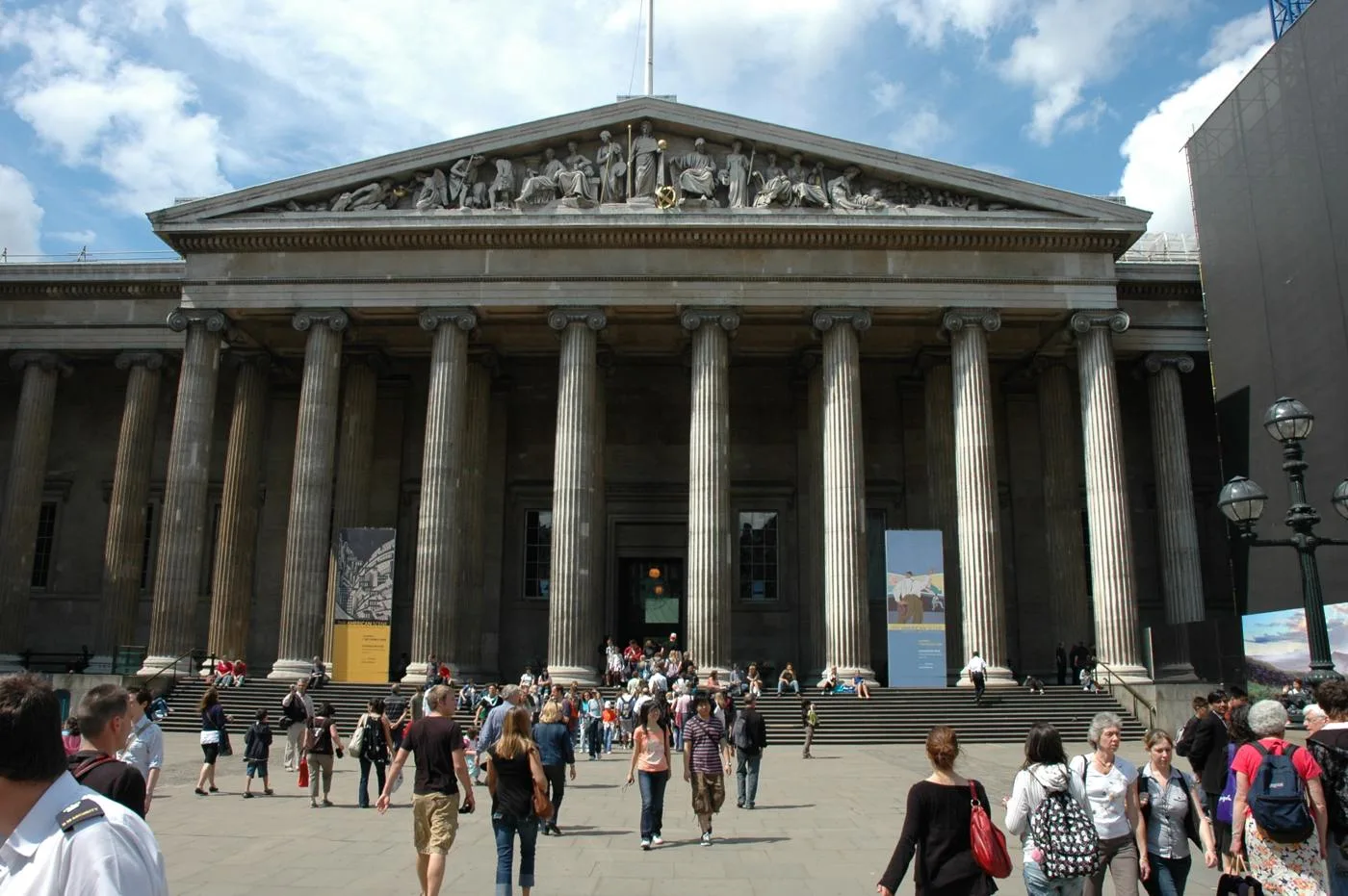
Then check whether the objects you want to see are actually on display. An online collection is not necessarily a list of everything in the galleries that day. The V&A’s visiting guidance, for example, explains how its collection search can distinguish displayed objects and provide room information. Make a short priority list and choose an alternative in case a room is closed or an object is unavailable.
Build a realistic budget around the whole outing. Admission is only one possible expense; transport, parking, a temporary exhibition, food and optional purchases can change the total. Decide which extras matter to you beforehand. A visit should not depend on buying a souvenir, and a smaller local collection may suit the day better than an ambitious trip across a city.
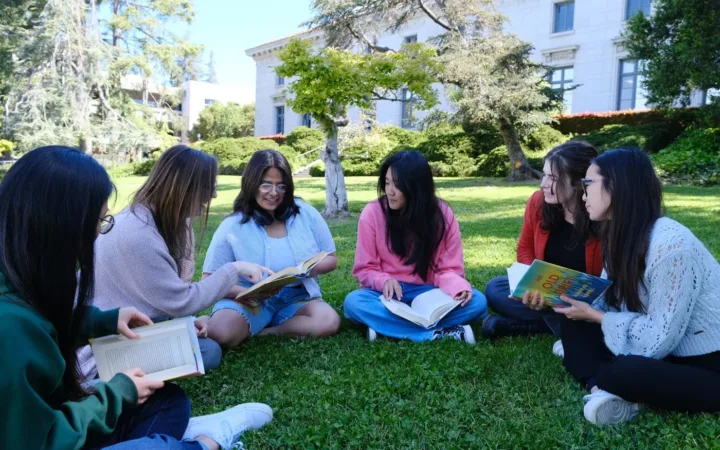
If you are going with other people, agree on one shared priority and allow different interests within it. The same principle that helps when planning a first book-club meeting applies here: a simple expectation makes conversation easier. Agree on a meeting point and an approximate finish, especially if you intend to explore separate rooms.
Leave enough time for access, bags and breaks
Look up accessibility information for the particular building, rather than assuming its main entrance is the most suitable route. Contact the venue ahead of time about services you need, such as step-free routes, seating, captioned material or an interpreted tour. Ask what must be arranged in advance and what is available on arrival. Build the plan around the people attending.
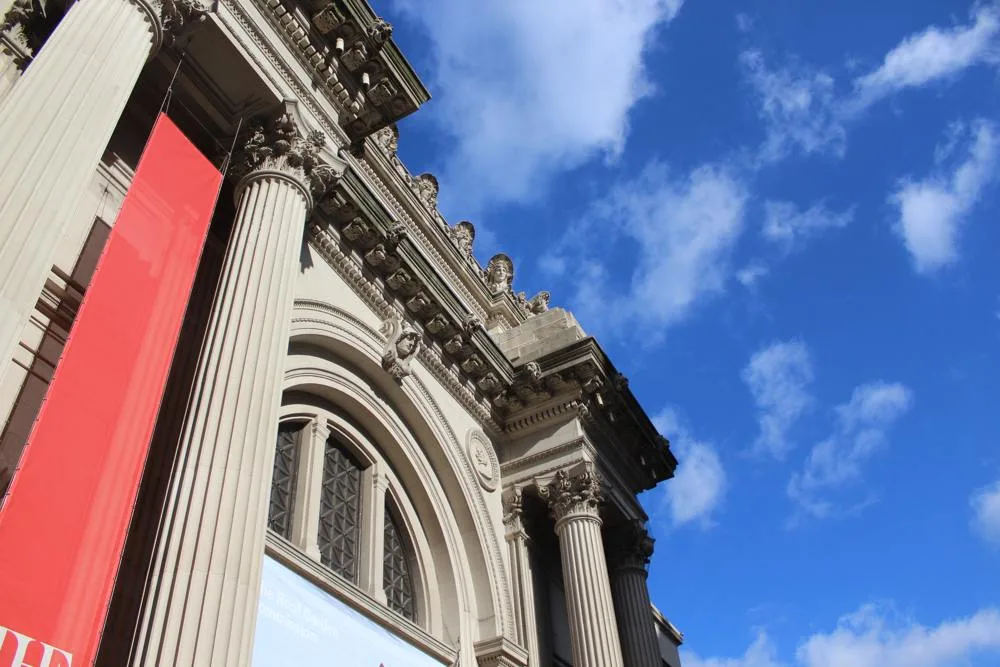
Pack lightly and check the bag policy before leaving home. The Met, for example, prohibits large bags and luggage and requires small backpacks to be carried in front or by hand. Its rules are an illustration of why a visitor should check the actual venue, not assume that every museum offers storage for everything brought through the door.
Allow time for security, finding the right entrance and orienting yourself. Treat those minutes as part of the visit rather than as an interruption to it. Once inside, locate a map, toilets, permitted eating areas and places to rest. With children, a shorter route and an agreed pause may be more practical than a long sequence of rooms with no obvious stopping point.
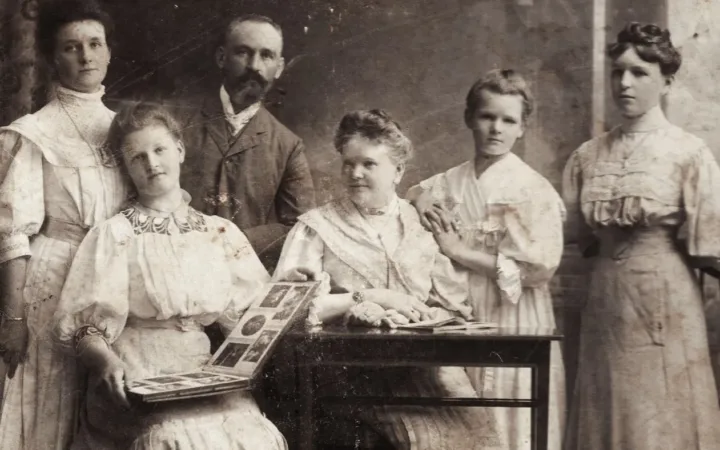
Collections can also offer ideas to take home. The care given to labels, dates and context is useful when preserving family photo albums: an object means more when someone records the story around it. During the visit, notice how a display explains who made something, what it was used for and why it has survived.
Make room for looking before reaching for the camera
At each priority object, give yourself a moment to look before reading everything around it. Notice scale, material, colour or wear, then use the label to test your first impression. This is a suggested way to slow the experience down, not a rule about appreciating art correctly. You do not need to admire every object or arrive with an expert interpretation.
Photography rules need their own check. The V&A permits personal, non-commercial handheld photography in its galleries subject to restrictions, while the Met allows personal non-flash photography in most galleries unless indicated otherwise. Neither policy gives a visitor unrestricted commercial reuse rights. Follow signs, avoid blocking other visitors and ask staff when the rules for a particular display are unclear.
Keep any notes brief enough to remain part of the experience. Write down an object’s name, a question or one detail that surprised you. If sketching is permitted, a small pencil drawing can help you look closely without needing to be accomplished at drawing. Check the venue’s material restrictions before opening a bag of pens or paints.
Finish by revisiting one favourite room if time and your ticket conditions allow. Afterwards, compare what stayed with each person rather than measuring who saw the most. An online collection or a library book can answer questions later; you do not have to settle every uncertainty while standing in front of the case.
Good planning gives the day a clear beginning and an easy stopping point. Choose what matters, confirm the current practical details and keep the route flexible enough for a discovery. A successful museum visit can be a modest afternoon with one memorable object, followed by the desire to learn a little more.

Isiagu Tobby
Wowplus editorial contributor.