


Table of contents
Nintendo’s film business is taking different forms with different partners. Mario’s animated films sit alongside a live-action The Legend of Zelda production, while the company continues making games and presenting its history through other experiences. The useful way to understand the expansion is to look at who produces, finances and distributes each project, rather than treating every Nintendo-branded screen appearance as the same kind of deal.
The Zelda film provides a current example. Nintendo’s September 2026 announcement confirms its title and planned April 30, 2027 worldwide theatrical release. It also describes the companies’ responsibilities. Those details explain more about the arrangement than speculation about how much an unreleased film might eventually earn.
What Nintendo has confirmed about Zelda
According to Nintendo, the film is produced by Nintendo and Arad Productions, with Shigeru Miyamoto and Avi Arad as producers and Wes Ball directing. Sony Pictures will handle worldwide theatrical distribution. Bo Bragason plays Zelda, while Benjamin Evan Ainsworth plays Link.
The release says Nintendo and Sony Pictures are co-financing the production, with Nintendo supplying more than half of the financing. That establishes a funding relationship, but it does not disclose the complete contract. A financing percentage should not automatically be described as the same percentage of ticket sales, eventual profit or ownership of every related right.
Entertainment announcements often combine roles that are easier to understand separately. Production concerns making the work, financing concerns supplying its funding, and distribution concerns bringing it to audiences. Our examination of Peter Jackson’s Weta transaction shows why identifying precisely what an agreement covers matters when a familiar creative name is attached.
Mario uses another partnership
The Mario films involve Illumination and Universal. The companies’ announcement for The Super Mario Galaxy Movie lists Illumination’s Chris Meledandri and Nintendo’s Miyamoto as producers, with Universal and Nintendo co-financing. Universal handles distribution. The arrangement demonstrates that Nintendo’s film work is not confined to a single outside studio.
Universal’s home-entertainment announcement in May 2026 listed a May 19 digital release and June 16 physical-disc release for The Super Mario Galaxy Movie. These were stages after its cinema launch. They illustrate how the same production can reach audiences through different forms of access over time.
Each stage needs to be described accurately. A cinema ticket, a digital purchase and access through a subscription are different transactions. Their presence in a release strategy does not reveal the private financial terms between the participating companies, and an announcement about one stage does not establish the timing of all later stages.
This is also why headline box-office totals need context. They measure ticket sales across the relevant cinemas and territories, not cash belonging entirely to one producer. Wowplus’s analysis of IMAX’s box office and company revenue explains a related distinction between a large audience-facing number and what a particular business reports.
Building visual-content capacity
Nintendo’s involvement in moving images also includes work inside its corporate group. Its July 2022 acquisition announcement described an agreement to buy Dynamo Pictures, a company involved in planning and producing visual content, including computer-generated animation. The stated purpose was to strengthen Nintendo’s visual-content planning and production structure.
The announcement proposed renaming the company Nintendo Pictures after completion. That historical document should be read for what it said at the time, rather than as a list of credits for every later theatrical film. A corporate capability and a specific film production are connected ideas, but they are not interchangeable labels.
The distinction matters because entertainment projects bring together several types of expertise. A game’s characters and setting are starting material; a feature also needs a screenplay, performance, direction, production management and a release plan. A company can participate in some of those functions while working with outside organisations on others.
It is tempting to tell this story as a simple shift from games to movies. The public announcements instead show additional activities alongside the core games business. A film can introduce an established character to someone who has never owned the console, while a long-time player may be interested in seeing a familiar setting interpreted differently.
A history with more than one point of entry
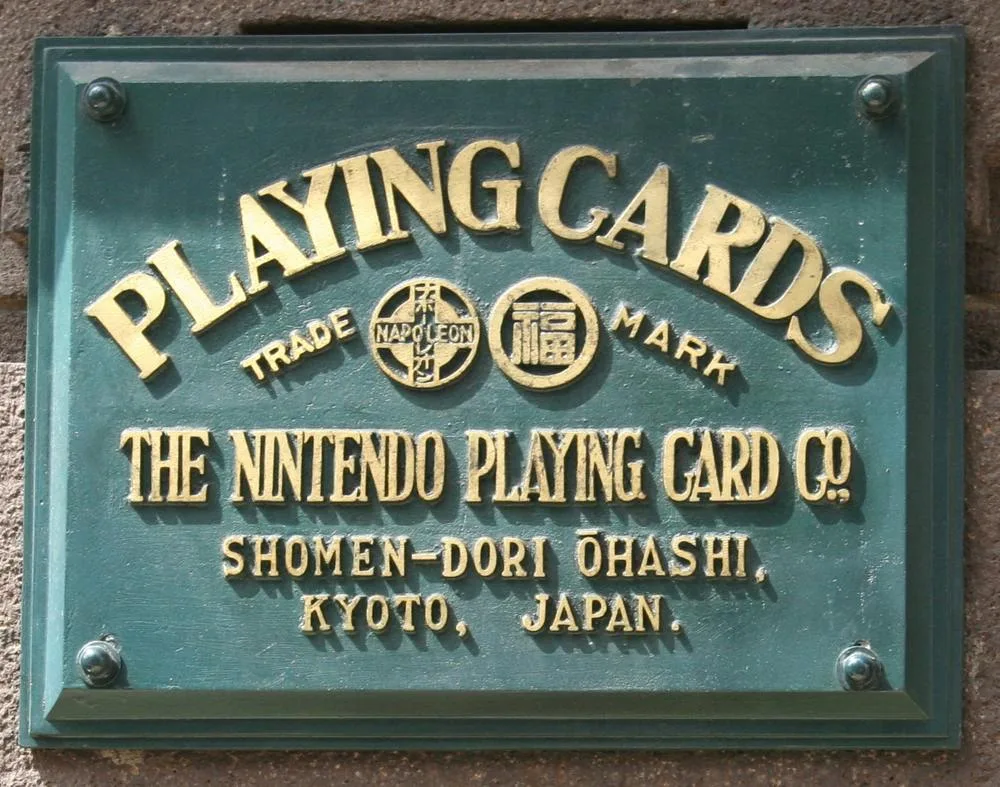
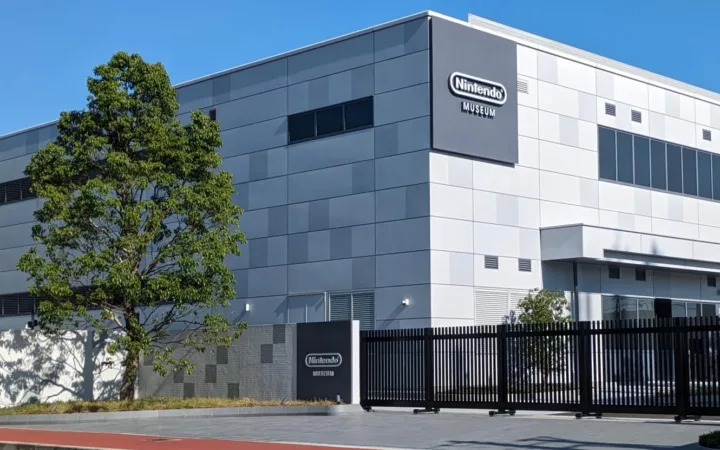
The Nintendo Museum offers another way into that history. Its 2024 opening announcement described exhibits of past products and interactive experiences in Uji, Kyoto. The facility’s design and operations partner, Nomura, reported its opening on October 2 that year in a renovated former Nintendo factory.
A museum visit is not the same experience as playing a game or watching a film. It can explain a company’s development through objects and displays. That gives the broader entertainment story a physical setting, while keeping the differences between a historical exhibition and a new creative production visible.
Other entertainment businesses also carry recognisable work into new formats. Our feature on Seth MacFarlane and Ted’s expansion considers how production credits and separate projects help explain that process. The common lesson is to follow the actual work and agreements rather than assume a single headline captures an entire business.
For Zelda, the next milestone remains the planned 2027 release. Until then, the confirmed partnership tells a clear, limited story: Nintendo is helping produce and finance the film, with Arad Productions and Sony Pictures performing named roles. Its eventual reception and commercial outcome remain questions for the completed film and its release.
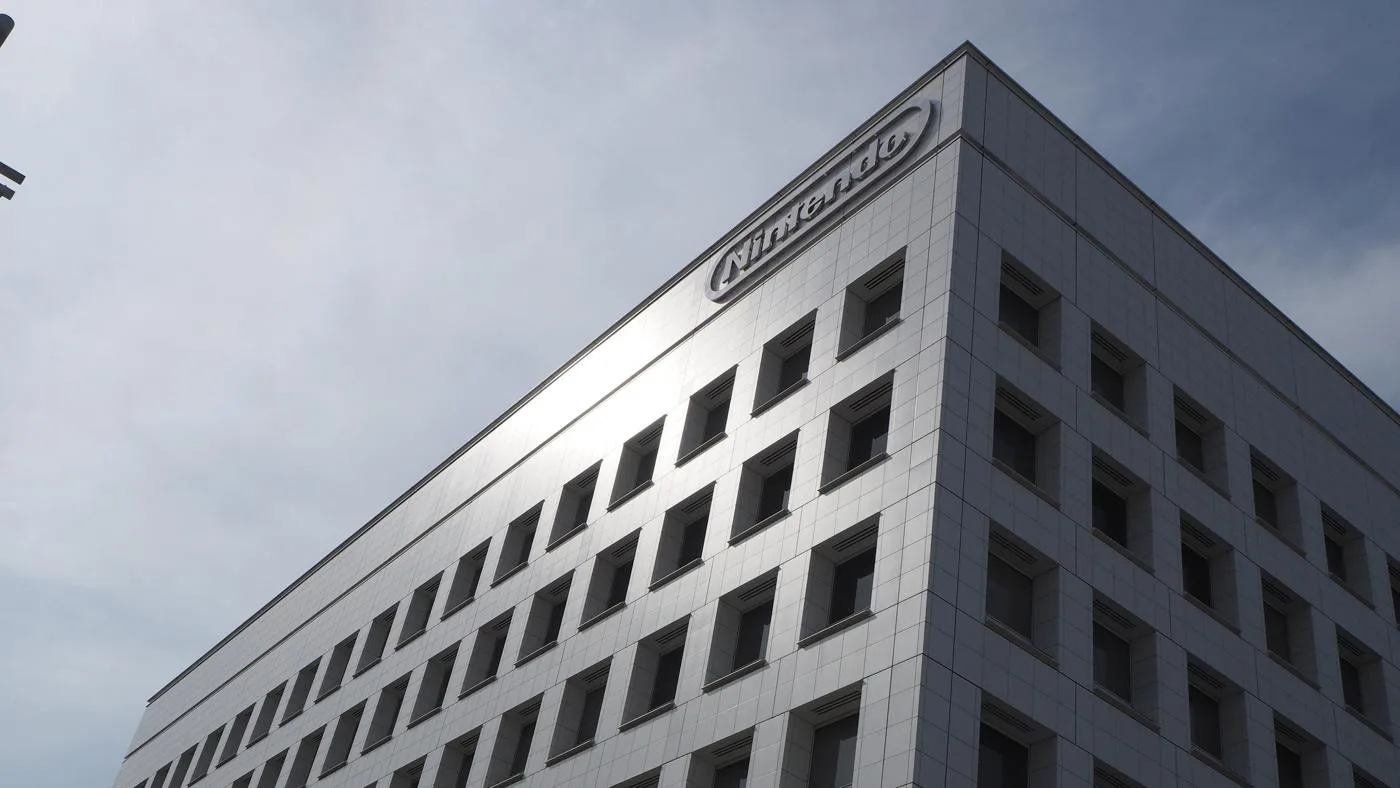
Featured archival photograph: Insightwm / Wikimedia Commons, Nintendo headquarters in Kyoto, April 2024. CC BY-SA 4.0 (https://creativecommons.org/licenses/by-sa/4.0/). Cropped and resized under the same licence.

Isiagu Tobby
Wowplus editorial contributor.
I appreciate that your post includes context instead of jumping straight to conclusions. It would be interesting to hear your thoughts on how this might change over time.