




Table of contents
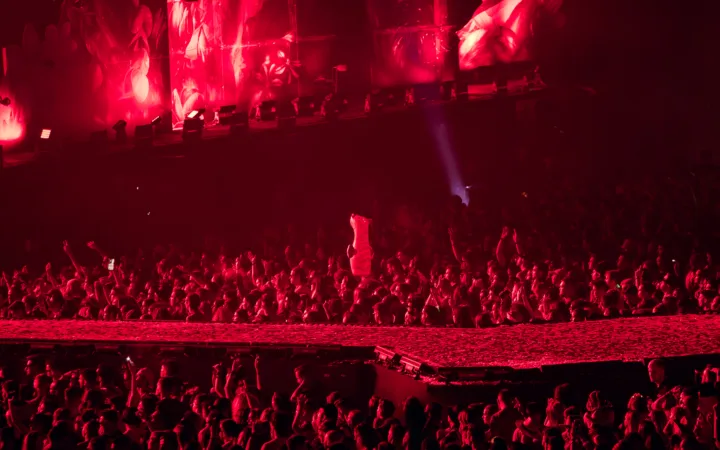
The Garth Brooks Blame It All on My Roots Tour begins with two Indianapolis concerts on August 21 and 22, 2026, bringing the country superstar back to the kind of full-scale arena production that helped define his 1990s peak. The official Garth announcement places Gainbridge Fieldhouse at the center of a deliberately retro return built around familiar hits, a dramatic stage and the revival of the singer’s famous drum-pod presentation.
The opening matters because Brooks is not simply adding another weekend to an established touring cycle. He is framing the new run as a return to the arena era that turned his concerts into mass-participation events. That makes Indianapolis both the first stop and a test of how a production rooted in 1990s country spectacle translates for an audience arriving three decades later.
Brooks enters the dates after a sold-out appearance at London’s Hyde Park, according to his team. The new tour shifts the emphasis from one-off scale to a repeatable arena experience, where staging, pacing and a long catalog of songs must work together across multiple nights and cities.
Why the Indianapolis opening carries extra weight
Gainbridge Fieldhouse gives Brooks a familiar arena-sized setting without reducing the launch to a rehearsal for a larger stadium. Indoor arenas were central to the way his earlier tours combined intimacy with spectacle: fans could see the physical production clearly, while the room remained compact enough for singalongs and direct audience interaction to feel immediate.
Brooks has also remained visible outside his own tour cycle. Wowplus readers may remember his appearance alongside Dolly Parton in our earlier look at the pair as ACM hosts. The Indianapolis launch changes the focus from television-event chemistry back to the live format on which much of his reputation was built.
The two-night opening gives the production room to settle without pretending that every performance will be identical. No official song-by-song set list has been promised, and fans should be cautious about treating online predictions as confirmed. What is confirmed is the broad concept: major hits, arena-scale staging and the return of an important visual element from Brooks’ touring history.
That distinction is useful for readers making travel plans. The dates and venue are firm, but details such as entrance timing, bag rules and last-minute production notices should come from the venue or official ticket communication rather than reposted social-media graphics.
What the retro arena concept is bringing back
The most recognizable returning feature is the drum pod, a piece of staging associated with Brooks’ mid-1990s concerts. Its revival signals that the show is meant to reference the physical energy of that period, not merely place old photographs on screens between songs.
Brooks’ best-known live performances treated movement as part of the music. Ramps, elevated positions and rapid transitions helped turn country songs into arena moments without abandoning the storytelling at their center. Bringing that language back in 2026 creates a balance the tour has to manage carefully: nostalgia can open the door, but the performance still has to feel present.

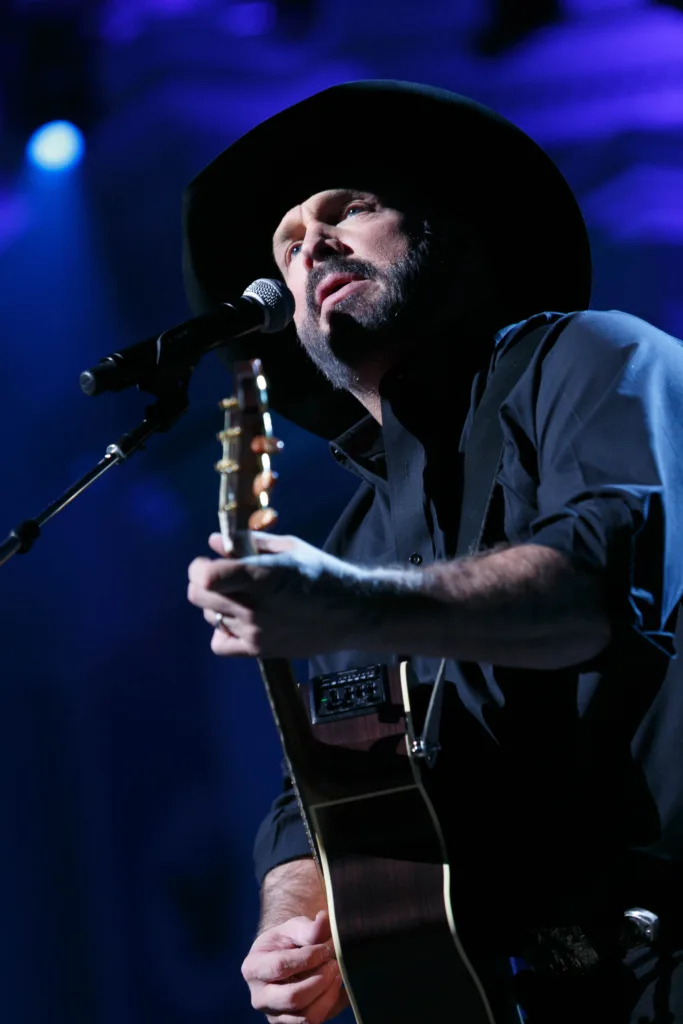
The wider Celebrities coverage on Wowplus often shows how long careers are renewed through a specific project rather than a general promise of reinvention. For Brooks, the specific project is the arena itself. The room, stage machinery and audience response are being presented as part of the story.
That approach also helps explain the tour’s name. “Blame It All on My Roots” points toward the songs and influences that formed Brooks’ public identity, while the production recalls the period when those songs moved from radio success to large-scale live culture.
Why Double Live still shapes expectations
The commercial shadow over any Brooks arena return is Double Live, assembled from recordings made during the enormous tour that began in 1996. His official announcement says the album has been certified at 25 million units by the Recording Industry Association of America, making it an unusually powerful document of audience demand as well as a successful release.
The importance of that album is not only numerical. It captured crowd noise, transitions and the communal character of the concerts, allowing listeners who never attended a show to understand why Brooks’ touring reputation exceeded the boundaries of country radio.
A 2026 concert cannot reproduce that historical moment exactly, and it should not need to. The more interesting question is whether the new show can create its own version of collective memory for longtime listeners, younger fans and families encountering the catalog together.
Readers following the rollout can find subsequent reports in Wowplus’ latest coverage. That page will be more useful than assuming every rumor about surprise guests or song choices is part of the confirmed production.
What fans should watch as the tour develops
The first indicator will be how the Indianapolis shows organize the catalog. Brooks has enough recognizable material to build several different concerts, but a roots-focused tour needs a clear emotional path. The strongest version will connect early career breakthroughs, reflective ballads and high-energy staples without feeling like a shuffled greatest-hits playlist.
A second indicator is how much the drum pod contributes beyond recognition. A returning stage element earns its place when it changes sightlines, performance rhythm or audience anticipation. If it functions as an active part of the show, it can bridge the old touring identity with the demands of a modern arena production.

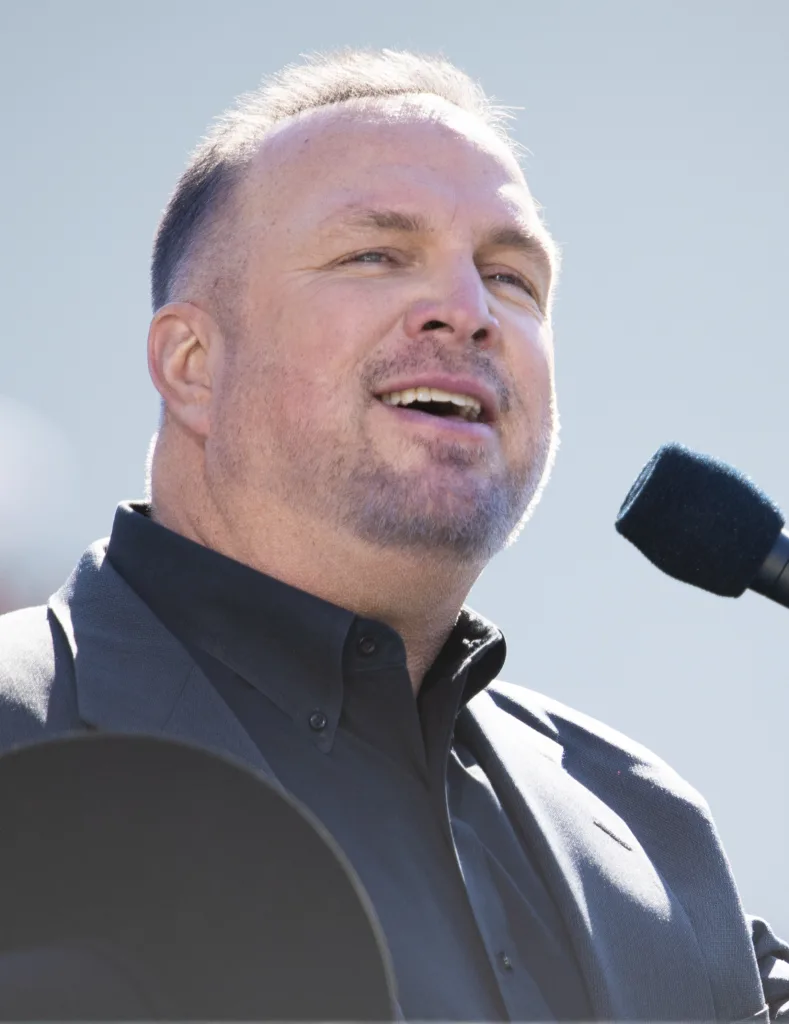
The third indicator is restraint. Large screens and new technical tools can make an arena visually richer, but Brooks’ songs often depend on direct, uncluttered storytelling. The production will be most convincing when technology supports that connection instead of competing with it.
Fans should also expect the meaning of the tour to evolve after opening weekend. Reviews, verified performance footage and later announcements will reveal which elements are fixed and which are flexible. The Indianapolis dates establish the grammar of the show; later stops will show how durable it is.
A career return built around live connection
For Brooks, returning to arenas is a statement about where his music works best. Streaming numbers, television appearances and major outdoor concerts all extend a career, but the arena remains the place where his catalog’s scale and its conversational writing can meet.
The tour also demonstrates how legacy artists can revisit a defining era without presenting themselves as museum pieces. Brooks is using recognizable production history as an entry point, then asking current audiences to judge whether the performance still creates urgency in the room.
That is why the Indianapolis opening deserves attention beyond the first-night set list. It begins a practical test of memory, staging and audience loyalty. If the production succeeds, the revived drum pod will be more than a nostalgic prop: it will be a reminder that Brooks’ most durable asset has always been the relationship between familiar songs and a crowd ready to sing them back.
Featured image credit: Kylie_Jaxxon/Wikimedia Commons, CC BY-SA 2.0. Inline image credit: Shawn Miller/Library of Congress, CC0.


Isiagu Tobby
Wowplus editorial contributor.