

Table of contents
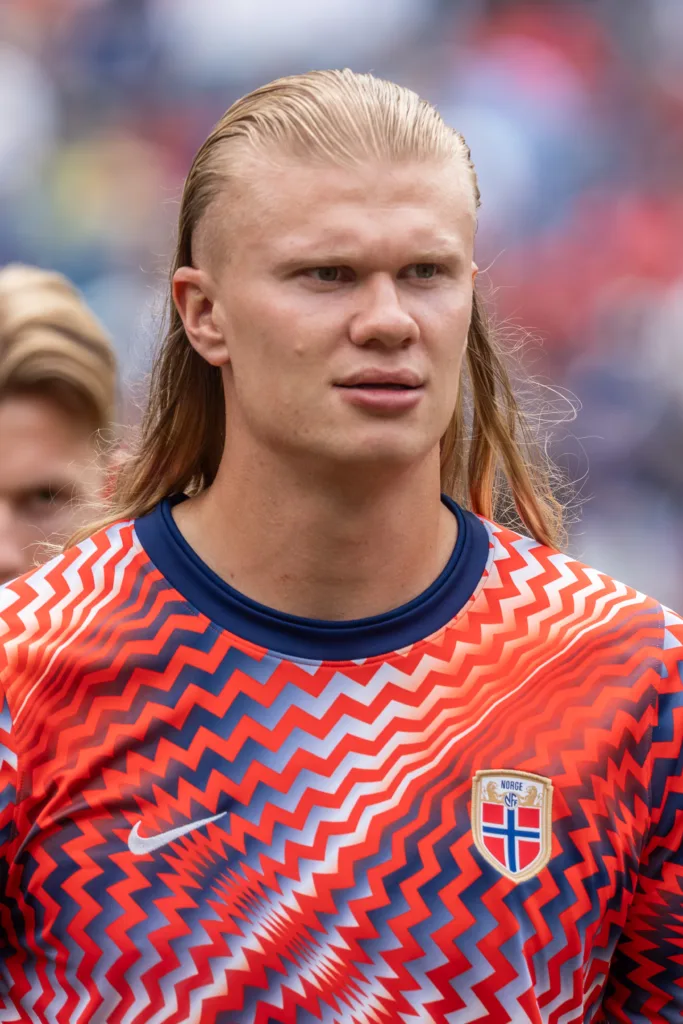
Erling Haaland workload warning has become a serious concern for Norway after manager Stale Solbakken said the Manchester City striker looked “thoroughly spent” during the 2-1 Nations League defeat to Portugal.
Haaland was substituted after 67 minutes in Porto, an unusual sight for a player whose goals are so central to Norway’s attack. The decision came after a relentless sequence of club and international matches that has left several Norway players with very little recovery time.
The 26-year-old has played every Premier League game for Manchester City this season and has remained heavily involved for his national team. Norway’s deep run at the 2026 World Cup also shortened the usual summer break, leaving less time for players to recover before club football resumed.
Wowplus recently looked at Haaland’s “fresh start” ahead of the new season, but the conversation around him has now shifted from appearance and form to whether the football calendar is asking too much of one of the game’s most important players.
Solbakken says Haaland has reached a physical limit
Norway’s manager did not suggest Haaland had suffered a specific injury. His concern was broader: the striker looked exhausted after months in which meaningful breaks have been difficult to find.
According to Reuters, Solbakken said some Norway players had only six or seven days of holiday before returning to football. He argued that elite players rely on their physical condition for their livelihood, making proper recovery more important than it might be in a normal office job.
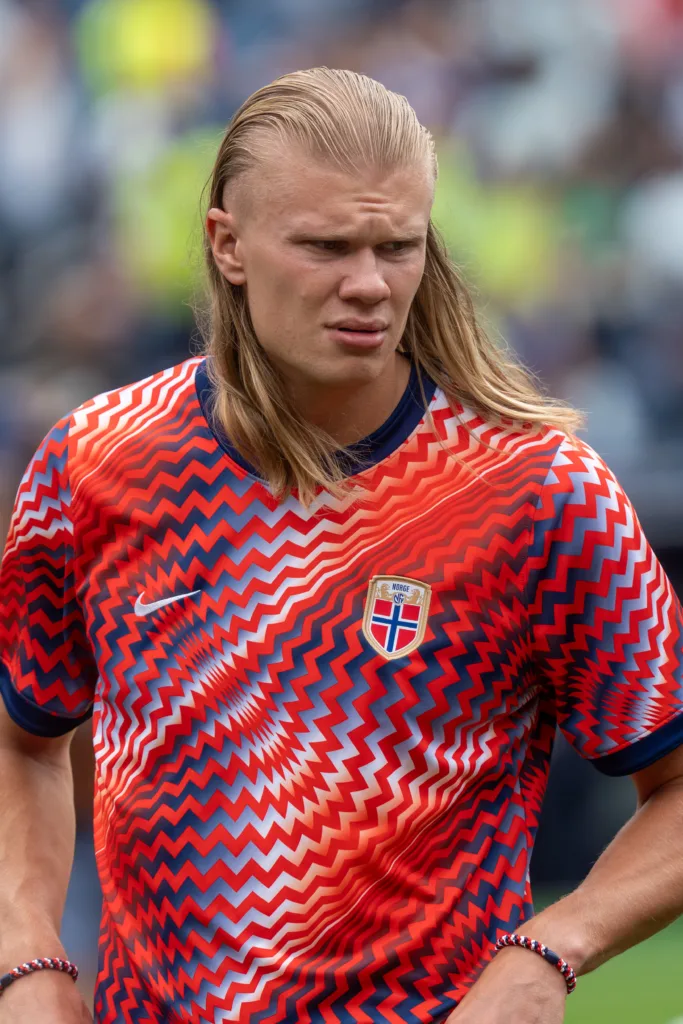
Haaland’s substitution against Portugal therefore looked less like a tactical choice and more like a warning sign. Norway still needed a goal, yet their most dangerous scorer no longer appeared capable of maintaining his normal intensity.
Midfielder Patrick Berg echoed the concern, pointing to the number of matches Haaland has played and the limited space between international and club commitments.
The World Cup changed the normal summer rhythm
Norway’s World Cup run was a major achievement, but reaching the quarter-finals came with a cost. Players who normally use June and July to rest instead spent much of the summer preparing, travelling and competing at the highest level.
Once the tournament ended, Manchester City’s schedule resumed quickly. Haaland returned to a club where he is rarely treated as a player who can simply be rested for several league games at a time.
His importance to City is easy to understand. Wowplus has followed Haaland’s rise from a teenage prospect into one of football’s dominant scorers, and that scoring record has created expectations that he will be available almost every time his team plays.
The problem is that the modern calendar includes domestic league matches, cup competitions, European football, international tournaments and expanded global competitions. Even players with excellent conditioning eventually reach a point where recovery becomes as important as training.
Haaland has still been scoring despite the fatigue
The workload discussion is not happening because Haaland has suddenly stopped producing. He has scored five Premier League goals this season and continued finding the net for Norway, including twice in an earlier Nations League match.
That makes the fatigue easier to ignore. When a striker keeps scoring, managers and supporters can assume everything is fine even if the physical signs suggest otherwise.
Haaland himself hinted at exhaustion on social media after one Norway performance, using humour to describe how tired he felt. What sounded like a throwaway comment now looks more significant after Solbakken’s public warning.
His career has been built partly on remarkable athletic qualities. Wowplus previously covered Haaland’s rise to UEFA Player of the Year, a period when his speed, strength and durability were central to Manchester City’s success.
Player unions want stronger workload rules
The Norwegian players’ union has used Haaland’s situation to reinforce a wider argument about fixture congestion. Its position is that players should not be left individually responsible for deciding when they are too tired to play.
That matters because competitive pressure works against rest. A player who asks to sit out may fear losing his place, disappointing supporters or appearing less committed than teammates who continue despite fatigue.
Clubs and national teams also have different priorities. Manchester City want Haaland available for the Premier League and Europe, while Norway understandably want their best player for every competitive international.
Without coordinated limits, the same player can be considered essential by two different employers operating on overlapping schedules.
Manchester City now have a short recovery window
Haaland has several days away from matches before Manchester City return to Premier League action against Liverpool. That break is helpful, but it is not the same as a proper off-season.
City will have to decide how aggressively to manage him once club football resumes. Resting Haaland is never an easy choice, particularly in a major match, but fatigue can increase the risk of reduced performance and injury.
Pep Guardiola has rotated heavily throughout his career, yet centre-forward has often been different because Haaland gives City qualities that no direct replacement can fully copy.
The next few weeks may show whether a short pause is enough or whether the striker needs more deliberate management across competitions.
The warning is bigger than one player
Haaland attracts attention because of his profile, but Norway’s concern reflects a problem affecting many elite footballers. Expanded competitions and longer international calendars have created more high-stakes matches while leaving little room to increase recovery.
The sport benefits commercially from more fixtures, but the quality of those fixtures depends on players being physically capable of performing at the level audiences expect.
Erling Haaland workload warning therefore matters beyond Manchester City and Norway. When one of football’s strongest and most physically gifted players is being described by his national coach as completely spent in early October, it raises an obvious question about how sustainable the current calendar really is.
For now, Norway have sent Haaland back to Manchester with no major injury announcement. The more important task may be making sure exhaustion does not become one.

Isiagu Tobby
Wowplus editorial contributor.