




Table of contents
Chrissie Hynde documentary is turning one of rock’s most famously unsentimental frontwomen into the subject of a career retrospective she never seemed especially interested in making.
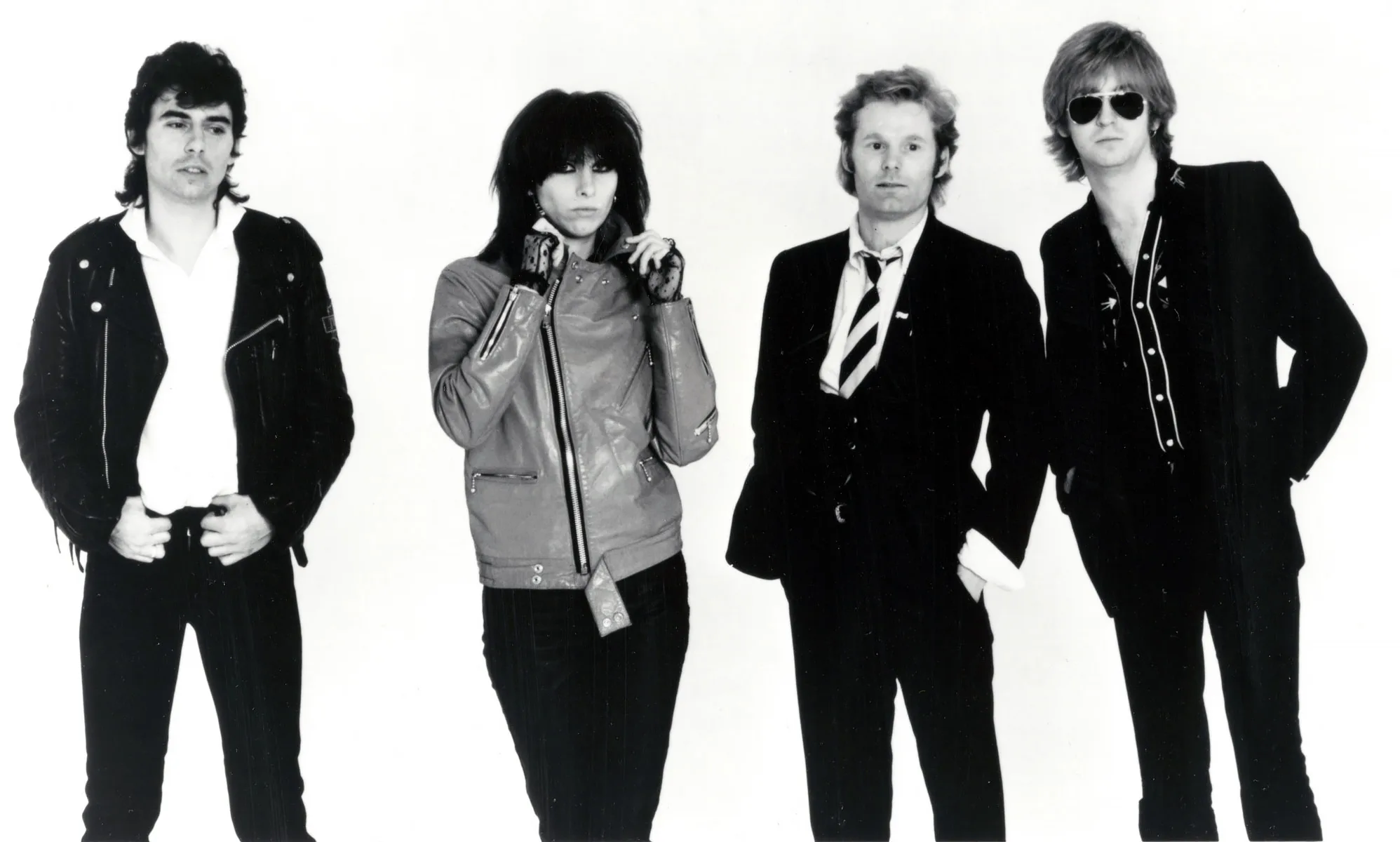
Pretenders, the first authorized documentary about the band Hynde founded in 1978, premiered at the Toronto International Film Festival this month. Directed by Joss Crowley, the film looks back at the group’s rise, losses, lineup changes and survival while trying to avoid the glossy self-mythology that often comes with music documentaries.
AP reported that Hynde agreed to participate only under tight conditions, including a single on-camera interview. She has long resisted talking about herself and reportedly has little interest in watching the finished film, making her cooperation notable precisely because she is not someone who appears eager to curate a heroic version of her past.
That tension makes the project more interesting than a standard anniversary exercise. Wowplus has previously looked at how music documentaries can reopen familiar careers for a new audience. In Hynde’s case, the challenge is almost the opposite: how do you tell a life story about an artist who has spent decades refusing to behave like a museum exhibit?
Hynde built the Pretenders around attitude as much as sound
Chrissie Hynde was born in Akron, Ohio, and eventually moved to London, where the punk scene gave her the environment in which the Pretenders could form. The band’s earliest records mixed sharp guitar work, pop melody and Hynde’s unmistakable voice, creating a style that could sound tough and vulnerable within the same song.
The group’s 1980 debut quickly established songs such as “Brass in Pocket,” while later tracks including “Back on the Chain Gang” and “I’ll Stand by You” expanded the band’s audience far beyond its original punk-era context.
Hynde’s public image also became part of the appeal. She was direct, dry, resistant to celebrity rituals and rarely seemed interested in presenting herself as a polished rock star. That refusal to perform fame in the expected way helped make the band feel durable even as the music industry around it changed.
The documentary appears to preserve some of that discomfort. Rather than asking Hynde to narrate every emotional turning point neatly for the camera, Crowley has described an approach that lets the band history remain rough around the edges.


That can be a more revealing way to understand a long music career. Wowplus has also examined the pressures hidden behind a highly visible pop career, and while Hynde comes from a very different musical culture, both stories show the limits of reducing decades of work to a clean public image.
The band’s early success was followed by devastating losses
The Pretenders’ history cannot be separated from the deaths of guitarist James Honeyman-Scott and bassist Pete Farndon. Honeyman-Scott died in 1982, and Farndon died the following year. Both deaths were connected to drug use, leaving Hynde and drummer Martin Chambers to continue after an extraordinarily disruptive period.
Those losses are central to the band’s biography, but Hynde has never seemed comfortable turning tragedy into a permanent marketing identity. The new film reportedly addresses the deaths without making them the only explanation for everything that followed.
That distinction matters. Many music documentaries are structured around a rise, a collapse and a triumphant recovery. The Pretenders’ story is messier because there was no single moment when the difficult years ended and a stable second act began.
Instead, different musicians moved through the band while Hynde remained the creative constant. The name Pretenders survived because the project could change shape without losing the voice, writing style and attitude that made it recognizable.
Long-running careers often look more coherent in hindsight than they felt while they were happening. Wowplus’ coverage of Gordon Lightfoot’s decades-long musical legacy similarly showed how an artist’s public identity can eventually compress years of uncertainty, reinvention and changing audiences into a few famous songs.
The documentary avoids turning Hynde into a symbol she never asked to be
One of the more revealing ideas around the film is Hynde’s resistance to broad labels about being a pioneering “woman in rock.” Her career plainly mattered to later female musicians, but she has often rejected language that separates her achievement from the band and the music itself.

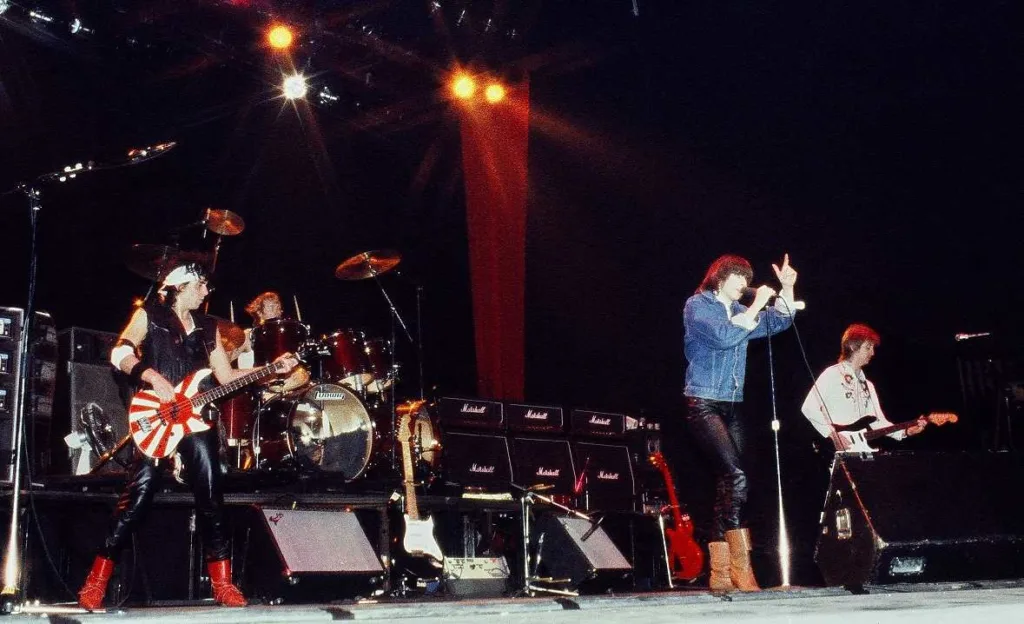
That position can frustrate people who want a clear cultural narrative. Hynde entered a male-dominated rock world, led a major band and remained its defining figure for decades. Those facts can be discussed without requiring her to adopt a role as spokesperson for every larger meaning attached to them.
The documentary’s value may come from allowing that contradiction to remain. Hynde can be influential without wanting to explain her influence. She can be part of rock history without enjoying the machinery that turns musicians into historical objects.
Her resistance also fits the punk instincts that shaped her early career. Hynde has continued to criticize parts of modern celebrity culture and the ease with which anti-establishment language can become another form of branding.
At 75, Hynde is still working rather than looking backward
The most important fact about the Chrissie Hynde documentary is that it arrives while its subject is still actively making music and touring. The Pretenders are not being remembered only as a closed chapter from the late 1970s and 1980s.
That changes how a biography like this functions. A documentary can summarize the past, but Hynde still has the ability to complicate the summary with another record, another tour or another opinion that does not fit the story people have already decided to tell.
Her willingness to give Crowley one interview may have come from a practical calculation: if a film about the band was going to exist, participating offered some chance to keep it from becoming the kind of sentimental tribute she dislikes.
The result is a profile built around reluctance rather than confession. That may suit Hynde better than a conventional documentary full of polished reflections and neatly resolved lessons.
The Chrissie Hynde documentary ultimately works as a biography of continuity. The Pretenders survived death, changing lineups, shifting musical fashions and the transformation of rock from a rebellious youth culture into an institution with museums, halls of fame and prestige documentaries. Hynde’s answer to all of that has remained unusually consistent: keep the mythology at a distance, keep the songs close, and keep moving.


Isiagu Tobby
Wowplus editorial contributor.