



Table of contents
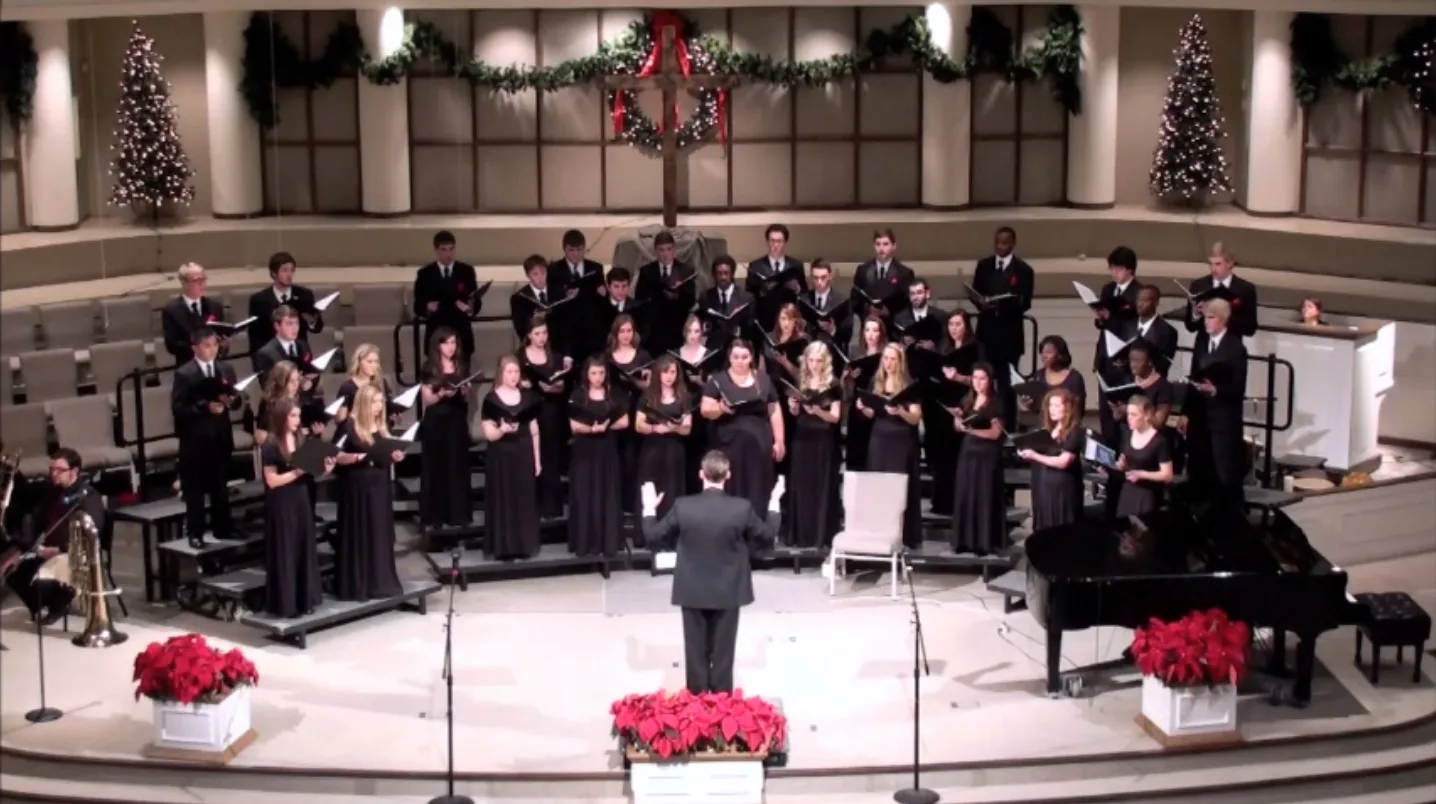
World Singing Day 2026 arrives today, October 17, with an invitation that does not depend on owning a microphone or knowing every note. Gather a few people, choose something you can sing together and make room for the quieter voices. A living room can be as useful as a stage when the point is taking part.
The annual event falls on the third Saturday in October. Its organizers welcome different ages, backgrounds and levels of experience, with gatherings ranging from homes to public spaces. That gives this Saturday a practical possibility: a small, affordable break from spending the whole weekend watching other people perform on a screen.
The official WSD participation page confirms this year’s date and invites people to join a local sing-along or sing with family and friends. Check any advertised event directly before travelling. A global celebration does not mean every city has a confirmed gathering, and an old social-media poster is not reliable proof of today’s arrangements.
Start small enough that everyone can join
For an informal gathering, decide the place, the starting time and a realistic finishing time first. A twenty-minute session after lunch may be easier for busy friends than an open-ended evening. Explain whether people should bring anything and whether the space has steps, seating or other access considerations. Clear details remove awkwardness before anybody sings.
Choose two or three familiar songs rather than trying to reproduce a concert set. Ask the group for suggestions beforehand, including songs in the languages people actually use at home. A chorus that most people recognize gives a hesitant newcomer an easier entry point than a long solo or an unfamiliar arrangement.
Familiarity is part of why established singers matter to listeners. Our coverage of Celine Dion’s return to the stage explores that connection between a voice and its audience. Around a kitchen table, the same starting question can be simpler: which song does everybody already want to join?
Make the invitation flexible. Someone can sing softly, clap, listen for a verse or help select the next track. Do not surprise a shy guest with a solo, record an unwilling participant or turn missed notes into a running joke. The person who feels comfortable coming back matters more than a flawless video.


If you use a speaker, check the volume from the edge of the room. Keep conversation possible and respect neighbours, venue rules and other people sharing the space. For a public gathering, obtain the necessary venue permission and check applicable music-use requirements. The event’s free participation message does not replace those responsibilities.
Use the shared song without making it homework
The organizers have selected “Room For Everyone” as the 2026 Song of the Year. Their resources include a recording, a lyric and chord sheet, a karaoke version and choir materials. Groups that want a shared starting point can explore those options, while an informal gathering can keep the arrangement simple and sing at a comfortable pace.
Listen once before beginning if the melody is unfamiliar. Let one willing person guide the opening rather than playing the recording so loudly that nobody can hear the group. If a song sits too high or low, choose another or use a suitable accompaniment. There is no advantage in pushing through a selection nobody enjoys.
There is also room for a group’s personality. Our look at Tems and creative independence considers the importance of an artist’s own direction. For a community sing-along, that might mean adding a favourite local song or choosing an uncomplicated version instead of imitating a famous performance.
Keep screens useful but secondary. A shared lyric sheet or a clearly visible display can help people enter at the same time. Check readability, avoid blocking anybody’s view and arrange seating so people can see one another. A few minutes spent making participation easy will usually do more than a complicated running order.
For anyone hoping to attend an organized event, check the location, local start time and contact details on the current listing. Confirm whether advance booking is needed and ask about accessibility directly. Do not assume that an event shown in a previous year’s photographs is happening again in the same venue today.


Let the gathering matter more than the clip
World Singing Day encourages sharing under its event hashtag, but decide about photographs before raising a phone. Obtain people’s permission, take particular care around children and offer a clear way to stay out of the shot. A private gathering can remain private and still be a worthwhile way to spend part of Saturday.
If the group does want a memory, one short clip after everyone has settled may be enough. Put the phone down afterwards. Give attention to people in the room, especially those who are joining in for the first time, rather than repeatedly restarting the song to improve a social-media take.
Music can travel widely without every listener experiencing it in the same way. Our coverage of Burna Boy’s online audience looks at one form of that reach. Singing together offers a smaller, immediate version of connection: the people beside you share the moment while it happens.
Before leaving, ask whether anyone would enjoy doing it again. Keep the next invitation modest, share song suggestions with permission and let somebody else choose the opening number. Today’s date provides a reason to begin; an easy, welcoming experience gives people a reason to return.


Isiagu Tobby
Wowplus editorial contributor.