



Table of contents
World Food Day 2026 falls today, October 16, with a theme that connects new ideas to an everyday need: “Innovate today. Nourish tomorrow.” The observance is a chance to look beyond photographs of a meal and consider how food reaches a household, who can afford it and what happens when those connections fail.
The Food and Agriculture Organization’s FAO campaign explains that innovation includes technology alongside the knowledge and ingenuity of farmers, fishers, herders and other food producers. The message gives familiar local work a place in a global discussion. A useful improvement does not have to arrive as a new app or an expensive machine.
For readers wondering how to take part, the strongest starting point is a specific local question. Is a school running a food project? Does a neighborhood organization need a particular skill? Is an existing community garden looking for help? Asking what is already needed can make a small contribution more useful than inventing another short-lived campaign.
Innovation can begin close to home
The 2026 campaign uses a broad understanding of innovation, including learning, cooperative arrangements and improvements in production and distribution. That matters because growing something is only one stage of getting it onto a plate. Storage, transport, markets and a household’s ability to buy food are part of the same picture.
Small experiments can make those connections easier to understand. Wowplus previously reported on local growers preparing mushroom kits, a separate example of people making food production more accessible to newcomers. It is background reading on practical learning, rather than a claim that those growers are involved in today’s campaign.
A household can approach the observance by looking at the food it already has before making its next shopping list. Choose one ingredient that often goes unused and plan an ordinary meal around it. The point is to understand a routine, not to promise that one shopping habit can resolve hunger elsewhere.


New tools still need lasting support
A community event can likewise focus on sharing experience. FAO’s communication toolkit suggests activities such as cooking demonstrations, food tastings, discussions and performances. Organizers can choose a format that fits their audience, explain its purpose clearly and work with people who already understand the local food setting.
In its October 16 statement, the World Food Programme emphasized early action and sustained funding alongside new ideas. It described tools ranging from forecasts that allow assistance before a weather shock to digital systems used to reach families. The practical test is whether an approach helps the people it is meant to serve.
That test keeps the discussion grounded. A clever prototype can attract attention while still needing maintenance, training, reliable access and continuing support. For a small organization, an improvement that staff can operate consistently may be more useful than an impressive demonstration that cannot be sustained after the event ends.
Make participation useful and respectful
The importance of reliable local support is visible in earlier reporting on food banks facing demand beyond the holiday period. That article describes its own place and time. It provides context for why helping an established service can involve regular planning rather than a single annual delivery.
Anyone arranging a collection should first ask the receiving organization what it accepts, when it can receive supplies and whether it has a current request list. Volunteers can also ask about time, transport or administrative help. The organization is better placed to identify its own needs than a generic online donation checklist.
Respect should remain part of the event. People receiving assistance do not owe an organizer a photograph or a personal story. A useful public update can describe the activity, the participating organization and the next opportunity to help without turning someone else’s circumstances into promotional material.


Look at the whole food journey
World Food Day can also open conversations about how land and infrastructure are used. Those discussions often involve competing needs and local details. Rather than assuming that every project helps or harms food production in the same way, readers can ask what the evidence says about the actual site and the proposed arrangement.
Wowplus’s earlier look at the debate around solar farms and food farms is relevant background for that kind of question. It connects food production to wider choices about space and resources. It should not be read as a new finding about every energy project or as an official World Food Day position.
For families and educators, the day offers a manageable research exercise: choose one familiar ingredient and trace the work between its producer and the shop. A child might identify the growing stage while an older student investigates packaging or distribution. Questions can be adapted to age without asking children to disclose a family’s finances.
Keep the conversation going after today
FAO’s 2026 toolkit includes a children’s activity book built around the innovation theme. It uses stories and projects to introduce the food-system discussion. Before planning a classroom activity, educators can review the material and choose an appropriate section rather than treating a campaign hashtag as a complete lesson.
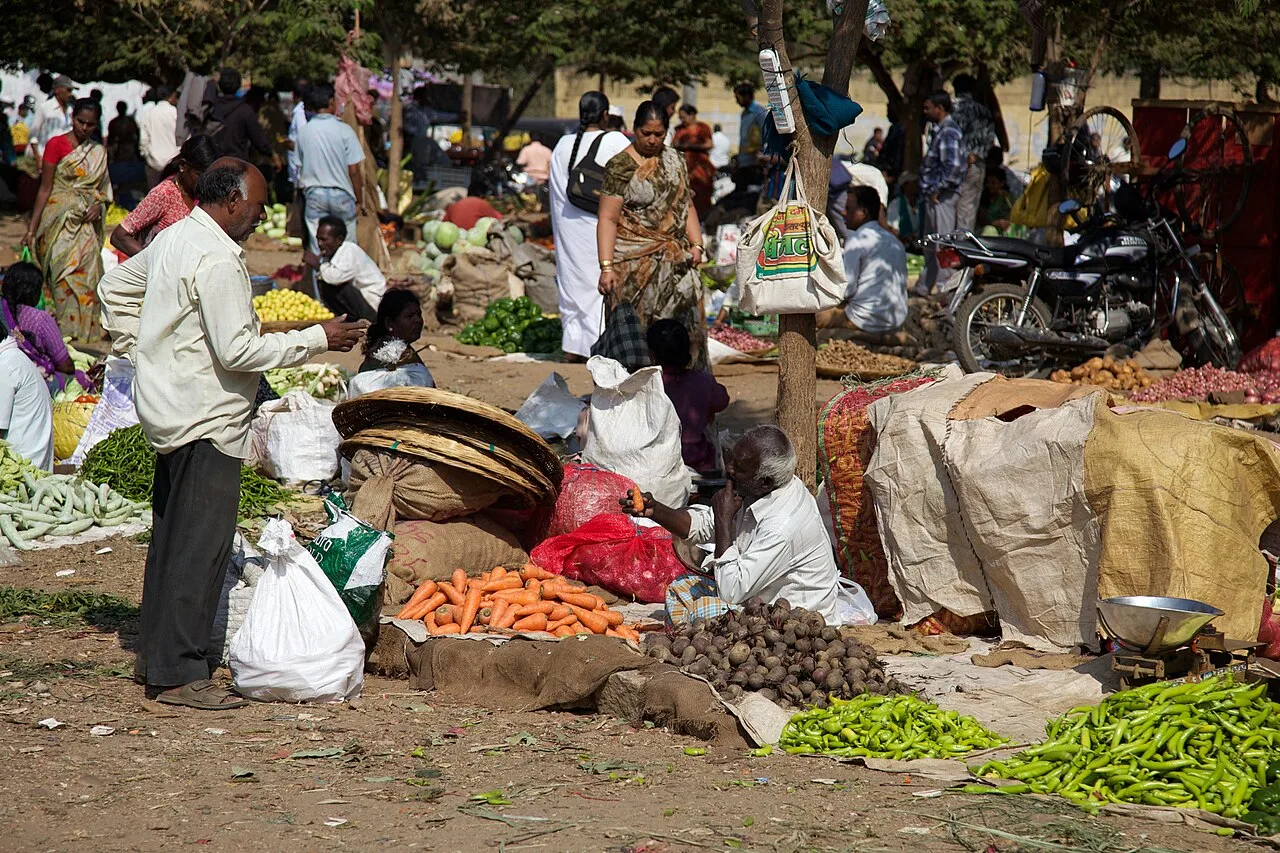
The accompanying photographs illustrate a market in Mysore, a community garden in Skopje and food-bank sorting in Maryland. They come from earlier years and are identified in their captions. None is presented as evidence of a World Food Day 2026 event or as a picture of the people mentioned in today’s statements.
The day’s theme becomes more useful when it leads to a concrete next step: a question answered, a needed task taken on or a local project supported consistently. The work continues after October 16. Readers can keep that connection alive by checking what an organization needs next week as well as what it is doing today.


Isiagu Tobby
Wowplus editorial contributor.