

Table of contents
The TSMC business model begins with a separation that is easy to miss when looking at a finished phone or computer. The company selling the device, the company designing a processor and the company manufacturing that processor do not have to be the same organisation. A foundry makes that division of labour possible by turning customers’ chip designs into physical products.
That puts Taiwan Semiconductor Manufacturing Company in a different position from a consumer brand selling a device with its own name on the box. Its central relationship is with the businesses that need manufacturing. Understanding that relationship helps explain why a factory company can sit near the centre of conversations about software, cloud services and the next generation of electronic products.
The surrounding technology has several layers too. Our earlier article on co-packaged optics and reliability examined one problem facing high-speed systems. A foundry explainer addresses a different question: how does a design become something that can be produced repeatedly? An impressive specification is only one stage in the journey from an idea to equipment a customer can actually buy.
Manufacturing is the service being sold
In its dedicated-foundry overview, TSMC says Morris Chang established the company in 1987 around manufacturing customers’ products. The company reports producing 12,682 different products using 305 technologies for 534 customers in 2025. Those figures describe a business serving many designs and applications, rather than one factory making a single kind of processor for a single device.
A simple way to picture the arrangement is to separate the product brief from the production process. A chip designer decides what a component needs to do, within the capabilities and rules of the manufacturing technology it will use. The foundry’s job concerns making the design reliably. Neither side can simply ignore the other: a design must be compatible with the process that will produce it.
For a hypothetical electronics newcomer, buying manufacturing services can make a project conceivable without building an entire fabrication operation. That is an illustration of the model’s attraction, not a claim that every startup can obtain any production slot it wants. Technical readiness, commercial terms, available capacity and the suitability of the process still stand between a design proposal and finished components.
The product’s needs matter throughout. Our coverage of thermal challenges in 5G radios shows why performance is not simply a matter of making a headline number larger. Power, heat and the environment in which equipment operates can shape a useful design. A manufacturing choice has to serve the intended product, rather than merely sounding like the newest option.
A working sample is only the beginning
TSMC’s manufacturing overview describes supply flexibility, cycle time, yield and delivery as parts of its service. These terms have business consequences. Yield concerns how much production meets the required standard; cycle time concerns how long the work takes. A customer planning a launch needs a reliable path through production, not just the theoretical ability to make a working sample once.
Consider an illustrative launch plan for an industrial sensor. A successful prototype does not by itself establish that enough qualified parts will arrive before assembly begins. The business must connect design work, manufacturing, testing and the availability of other components. A delay at one stage can leave the next stage waiting. The value of a dependable manufacturing relationship becomes clearer when the whole sequence is visible.
Scale also needs careful interpretation. TSMC’s published capacity figure for 2025 exceeded 17 million 12-inch-equivalent wafers across the facilities it managed. That is a standardised capacity measure, not a count of finished phones or identical chips. Different products can place different demands on production. Converting a wafer-capacity headline directly into a consumer-device total would skip important information about the designs being made.
Our earlier report on Nordic Semiconductor’s cellular IoT product provides another example of how varied the electronics market is. The connection here is the range of product requirements, not a claim about that particular product’s foundry. Smartphones, industrial connections and high-performance computers should not be treated as interchangeable orders merely because all contain semiconductors.
Read the dependencies behind the finished device
For a business reader, the foundry model raises useful questions about dependence. Which supplier can make the required design? How much time would a change take? Which parts of a launch depend on a particular process? These are questions to investigate for a specific product, rather than assumptions that one company can instantly replace another. A supply chain drawn as a few boxes may hide substantial engineering work between them.
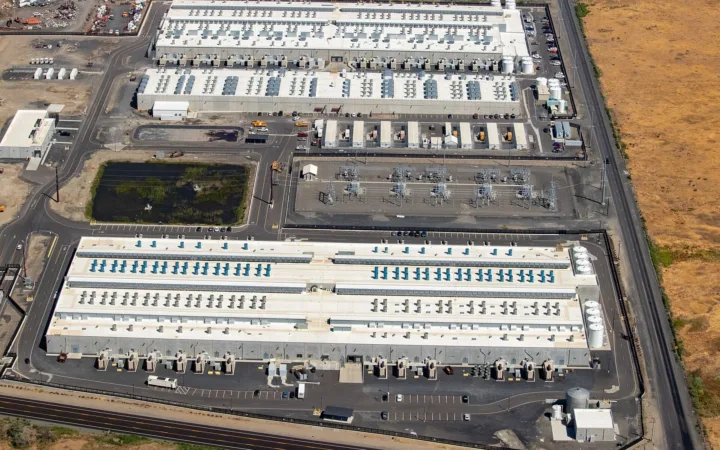
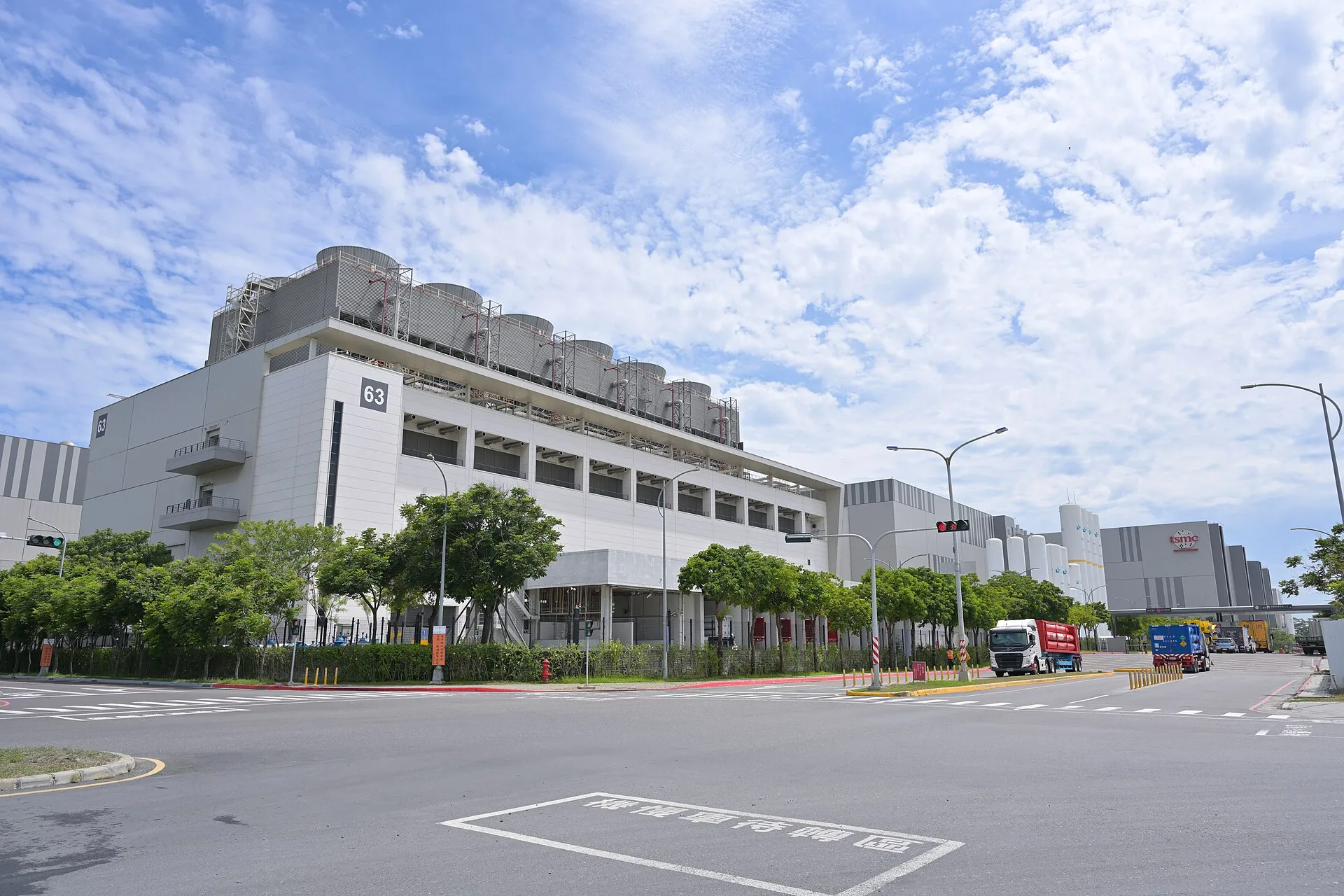
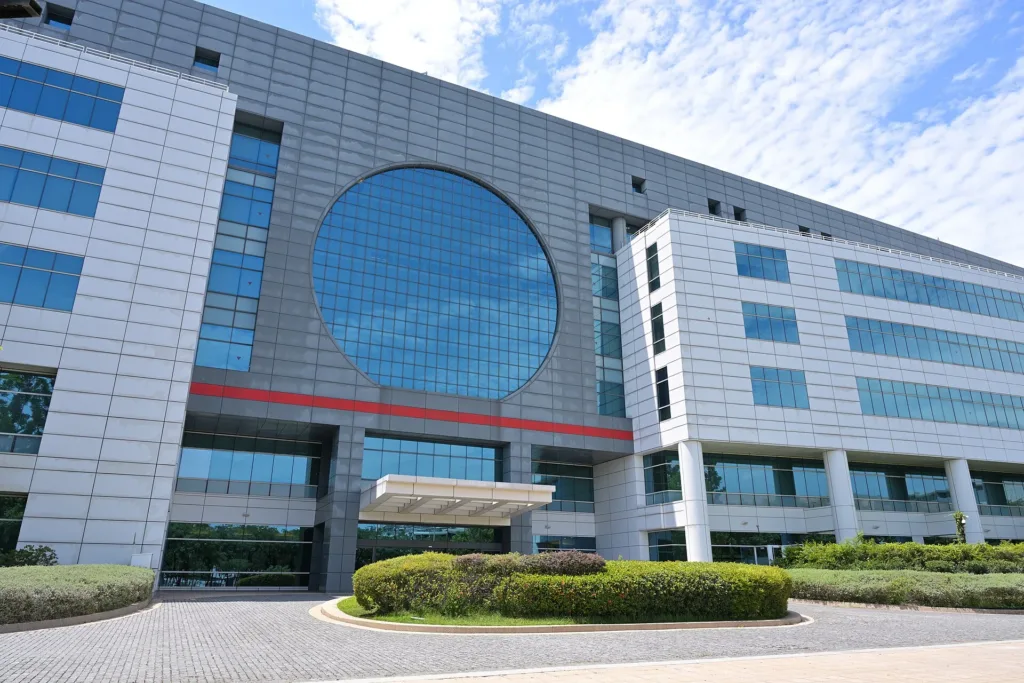
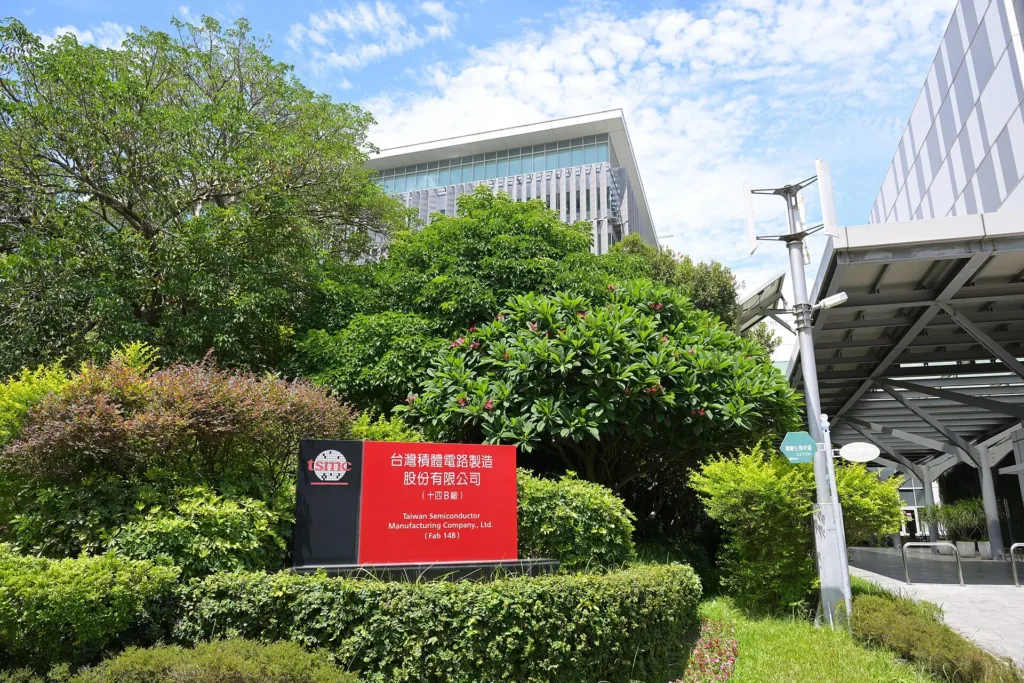
The archival photographs accompanying this article show TSMC facilities in Taiwan in May 2025. They put a physical setting beside an often abstract discussion of chips, but cannot establish a factory’s present utilisation, output or customer list. Those details require current operational disclosures. A building photograph is evidence of a place and a moment, rather than a substitute for production data.
The TSMC business model therefore offers a clear way into a complicated industry: distinguish the design, the manufacturing service and the finished product. From there, ask how capacity, quality and delivery connect them. The familiar device at the end of the chain depends on work that most buyers never see, and the commercial value of that work lies in producing useful components consistently, at the scale customers actually need.

Isiagu Tobby
Wowplus editorial contributor.