



Table of contents
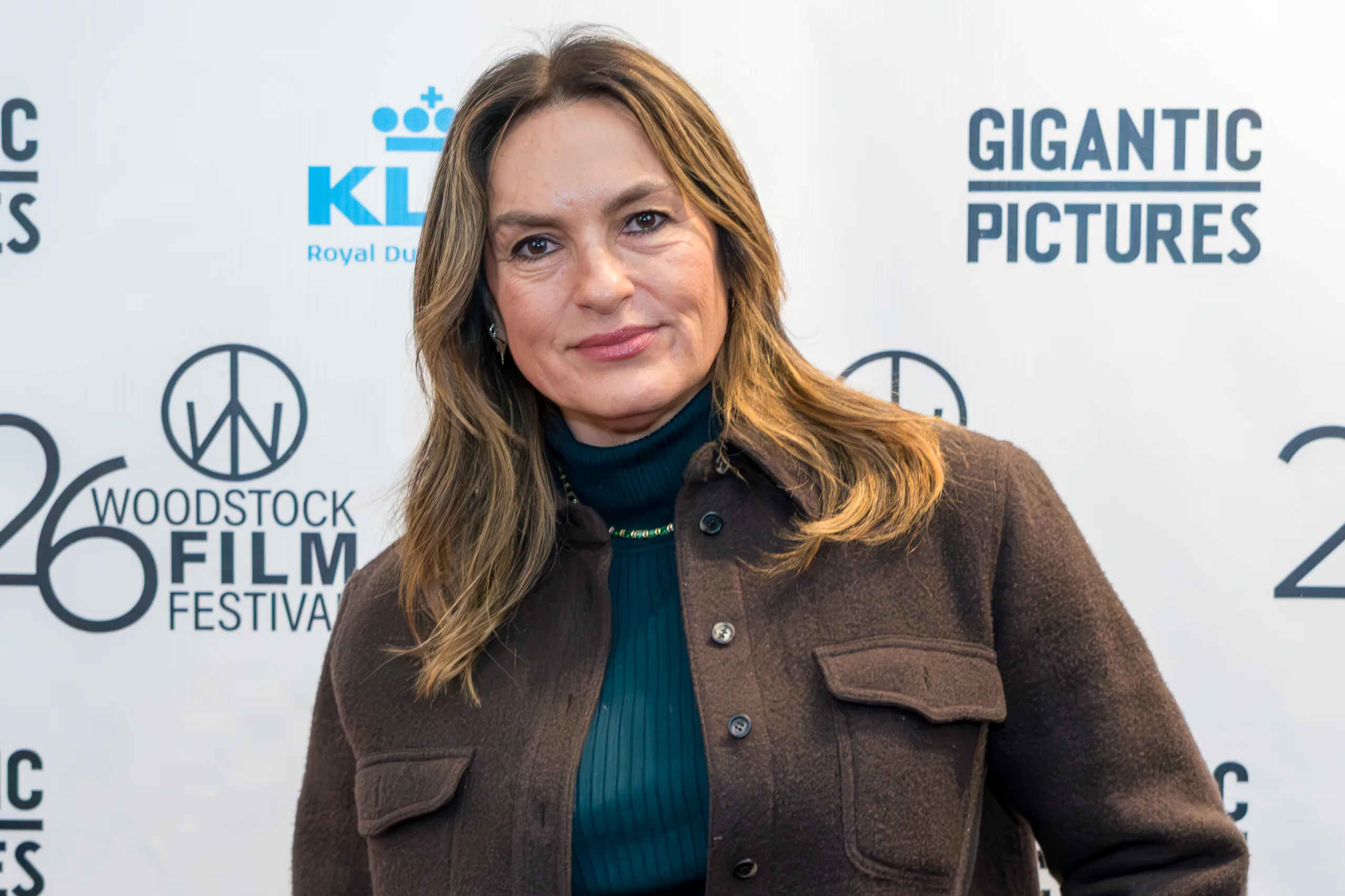
Mariska Hargitay self-care has become less about chasing a younger face and more about protecting the confidence, comfort and routines that already work for her. At 62, the Law & Order: SVU star says her beauty standards have moved inward, a shift that feels especially timely after she hosted the 2026 Primetime Emmy Awards and stepped into her first beauty-brand partnership.
In a new interview with TODAY, Hargitay said she has simplified her routine because she no longer wants to build her day around a long list of products or an outside idea of what she is supposed to look like. Her priority now is feeling good, maintaining what she has and choosing habits that fit a demanding schedule.
That may sound obvious, but it runs against a celebrity beauty culture that often treats aging as a problem to be solved. Hargitay’s approach offers a more practical idea: a routine becomes useful when it is repeatable, comfortable and connected to the life someone actually lives.
Wowplus has seen a similar conversation around women aging on television in our look at Jane Leeves and the way viewers reacted to her natural transformation. The common thread is not that every woman should age the same way, but that public expectations can make normal change feel like something that requires explanation.
Mariska Hargitay self-care starts with fewer steps
Hargitay told the outlet that her skin-care routine has become simpler in her 60s. She described herself as too busy for a 15-step process and said she prefers basics that support what she already has instead of trying to make herself look younger.
There is a practical lesson in that even for people who do not work long television days. Complex routines can be satisfying, but they also take time, money and consistency. A shorter routine is easier to maintain when work runs late, travel disrupts a schedule or life simply gets busy.
Hargitay’s current partnership with Cetaphil is her first beauty-brand deal. She said she had been approached by other companies before but did not feel the fit was right. This time, she was already familiar with the brand and interested in its newer products, which made the partnership feel more consistent with her own habits.
That does not mean celebrity endorsements should replace personal research or professional advice. It does show why authenticity matters in lifestyle partnerships. When a public figure can explain why a product fits an existing routine rather than suddenly presenting it as a miracle, the endorsement is easier to understand on its own terms.


The pressure to treat cosmetic change as a requirement has shaped plenty of celebrity conversations. Our earlier feature on Kris Jenner’s openness about surgery and self-image looked at the more complicated side of that pressure. Hargitay is approaching the same cultural question from another direction: improvement does not have to mean trying to erase age.
Her confidence is becoming more internal
The most interesting part of Hargitay’s comments is not a product list. It is the way she describes her standards changing. She said she now focuses more on self-care and what makes her feel good than on an aesthetic created by culture or society.
That shift can make lifestyle decisions easier because it changes the question. Instead of asking whether a routine makes someone look younger, thinner or more polished, the question becomes whether it makes daily life feel better. That could mean fewer products, more comfortable shoes, a hairstyle that is easier to manage or simply refusing a trend that does not feel personal.
Hargitay still enjoys beauty rituals. She discussed hair care, lip products, a setting spray for long days in makeup and a gua sha tool she likes to use as part of her routine. The difference is that these choices appear to sit inside a larger idea of comfort rather than a strict attempt to meet one visual standard.
That balance matters because rejecting impossible beauty standards does not require rejecting beauty itself. Someone can enjoy makeup, fashion or skin care while still deciding that those things should serve them rather than become another source of pressure.
We have also written about Jamie Lynn Spears and the appeal of makeup-free, less polished celebrity moments. Those stories connect because audiences increasingly see both sides of public image: the carefully prepared red carpet and the ordinary face underneath it.
Long workdays have shaped the routine she keeps
Hargitay has played Olivia Benson for decades, and the job often means long days on location in New York. She noted that outdoor shoots can be hard on her skin and that she uses products with that reality in mind. She also keeps comfortable footwear nearby between takes, even if the finished television look requires something less forgiving.
That detail is useful because it turns self-care into logistics rather than luxury. The most sustainable habits often solve small recurring problems: dry skin after outdoor work, uncomfortable feet after hours of standing, hair that needs extra moisture or makeup that has to stay in place through a long day.


For readers building their own routines, the practical version is simple. Start with the friction points that repeat most often. If a complicated night routine gets skipped three nights a week, simplify it. If a product irritates the skin, stop forcing it because it is fashionable. If shoes look good but make a normal workday miserable, keep a comfortable alternative close.
Hargitay’s comments also show that routines can change with age without becoming a surrender to age. Her goal is not to stop caring about appearance. It is to care in a way that feels more useful and less dictated by someone else’s standard.
Why this message lands differently after the Emmys
Hargitay’s interview arrived as she took on one of television’s biggest hosting jobs. The 2026 Emmys put her in a setting where appearance is analyzed closely, from gowns and hair to makeup and camera angles. That makes her emphasis on internal standards more notable, not less.
Red carpets are built for presentation, and celebrities know they are being photographed from every direction. But the habits that sustain someone through years of work are rarely as dramatic as the finished images. Hargitay’s routine sounds deliberately ordinary: fewer steps, familiar products, small rituals and a focus on feeling like herself.
That is probably the most transferable part of the story. The value is not copying every item in her bathroom cabinet. It is choosing a routine that can survive an ordinary Tuesday, not just a special event.
Mariska Hargitay self-care is ultimately a story about editing. She has access to more products, treatments and professional help than most people ever will, yet she says the direction of travel has been toward less. In her 60s, she is not framing beauty as a race back to an earlier version of herself. She is trying to make the life and face she has now feel as good, healthy and manageable as possible.


Isiagu Tobby
Wowplus editorial contributor.