



Table of contents
Khaby Lame’s UNICEF role connects two very different kinds of attention. Millions know the creator for making an overcomplicated task look simple with a gesture and a silent reaction. As a Goodwill Ambassador, he lends that familiarity to subjects that require more patient attention: children’s education, protection and opportunities to shape their own futures.
This is an established role, rather than a new appointment announced today. UNICEF named Lame a Goodwill Ambassador in January 2025, and its current ambassador roster continues to list him. Looking back at the appointment shows why a creator famous for brief, wordless comedy can have something useful to contribute beyond another viral clip.
The official UNICEF profile traces his background from Senegal to Italy and describes his accessible comic style. It also sets out a broader brief: raising awareness of children’s rights, including education and training, girls’ empowerment, protection from violence and access to essential services and a clean environment.
A familiar face with a story beyond the screen
Lame was born in Senegal on March 9, 2000. His family moved to Italy when he was a young child, and he grew up near Turin. UNICEF’s biography records that he later returned to Senegal for part of his schooling and lost his factory job during the COVID-19 pandemic before building his online audience.
That route gives his public story a different starting point from a conventional entertainment launch. Our coverage of Charli D’Amelio’s TikTok return considers another example of a creator moving between platforms and public roles. Lame’s ambassador work shows how a recognizable online identity can also become an entry point to a social issue.
His short videos usually make their idea clear without a long explanation. A complicated demonstration is followed by a simpler solution and an expression viewers can understand across languages. That does not make every serious problem simple. It does mean the person introducing a difficult subject may already feel familiar to people who would otherwise scroll past.
UNICEF’s account of the appointment placed his personal experience alongside a message about opportunity for children. The useful connection is not that every child should become an influencer. It is that a person’s circumstances at school or at the start of working life should not be treated as the limit of what they can contribute.
A Goodwill Ambassador is an advocate, and UNICEF describes its ambassadors as volunteers who raise awareness and mobilize support. The title should therefore be understood in that context. A famous visitor can draw attention to a programme; the teachers, community workers and young people involved remain essential to what happens after the cameras leave.
The Senegal visit put specific issues in view
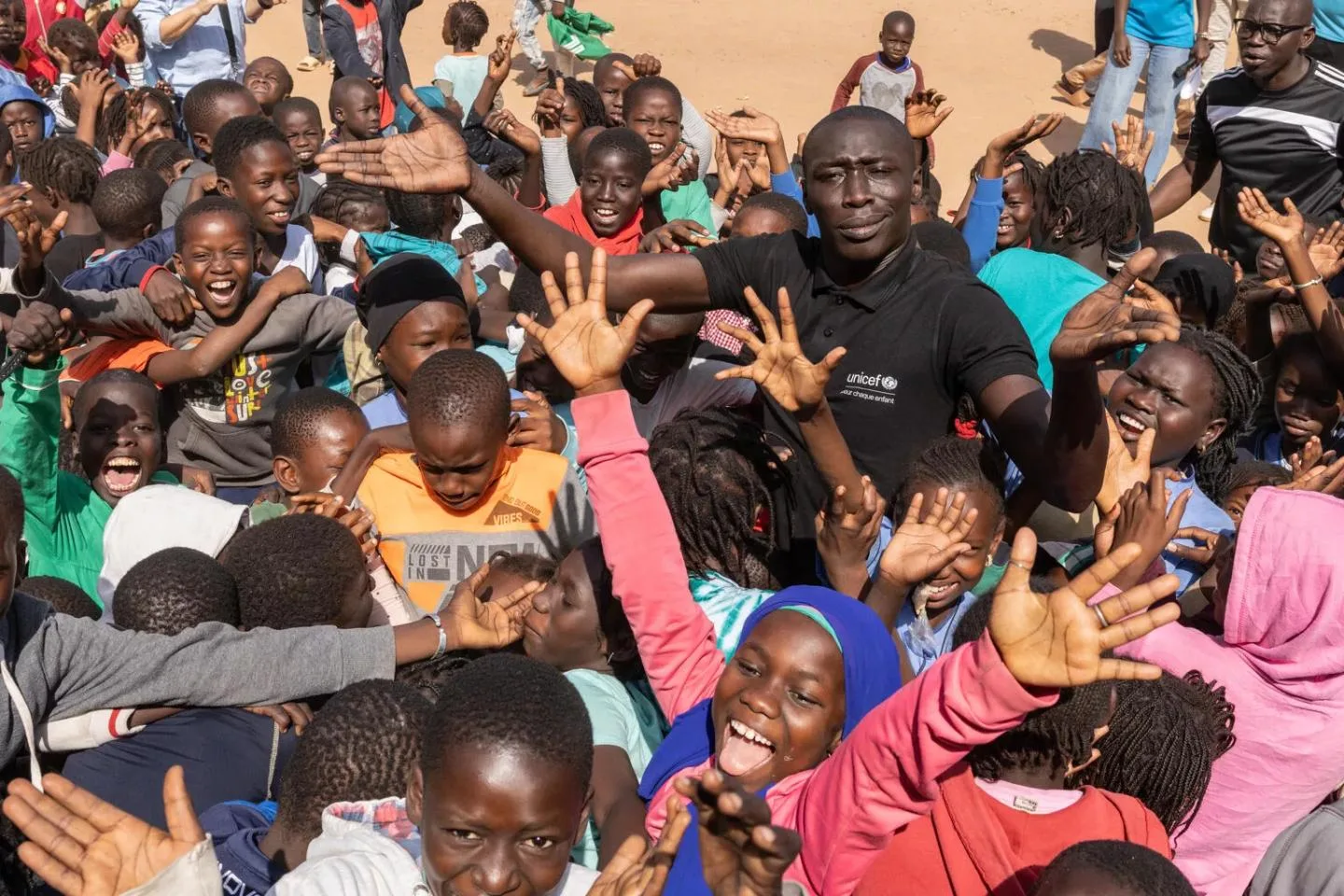
The appointment followed a four-day UNICEF visit in Senegal. The agency’s published account described meetings with young people in several settings, including a shelter in Dakar, an inclusive school in Ziguinchor and a skills workshop for girls in Kolda. Those details gave the announcement substance beyond a ceremonial photograph.

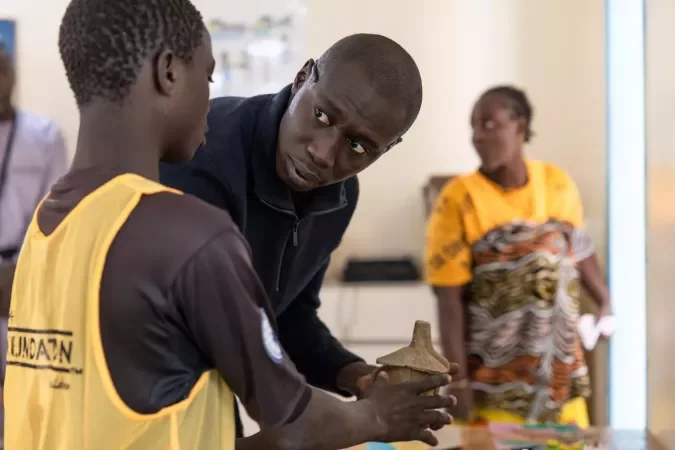
At the inclusive school, the focus included assistive technology and opportunities for children with disabilities to learn. UNICEF’s education guidance explains that inclusion involves accessible materials, suitable buildings, teacher preparation and tackling discrimination. A child being present in a classroom is a beginning; being able to participate in learning is the more demanding test.
Protection was another part of the visit’s context. Wowplus has previously covered UNICEF’s warnings about violence against children. In the Senegal account, listening to young people’s experiences sat alongside the public appearance, a reminder that awareness work should keep the issue in view rather than turn vulnerability into a celebrity backdrop.
In Kolda, Lame met girls learning science, technology, leadership and innovation skills. He also met a children’s municipal council in Sédhiou, where young representatives engage with local authorities, and joined a mangrove-planting activity. The common thread was young people doing work in their own communities, rather than waiting for a visitor to supply every answer.
That distinction matters when these visits reach a global feed. A photograph can introduce a project quickly, but a fuller account should explain what participants are trying to achieve. Their skills and decisions deserve attention in their own right. The visitor’s reach is most useful when it directs viewers towards that continuing activity.

Influence is useful when it creates room for other voices
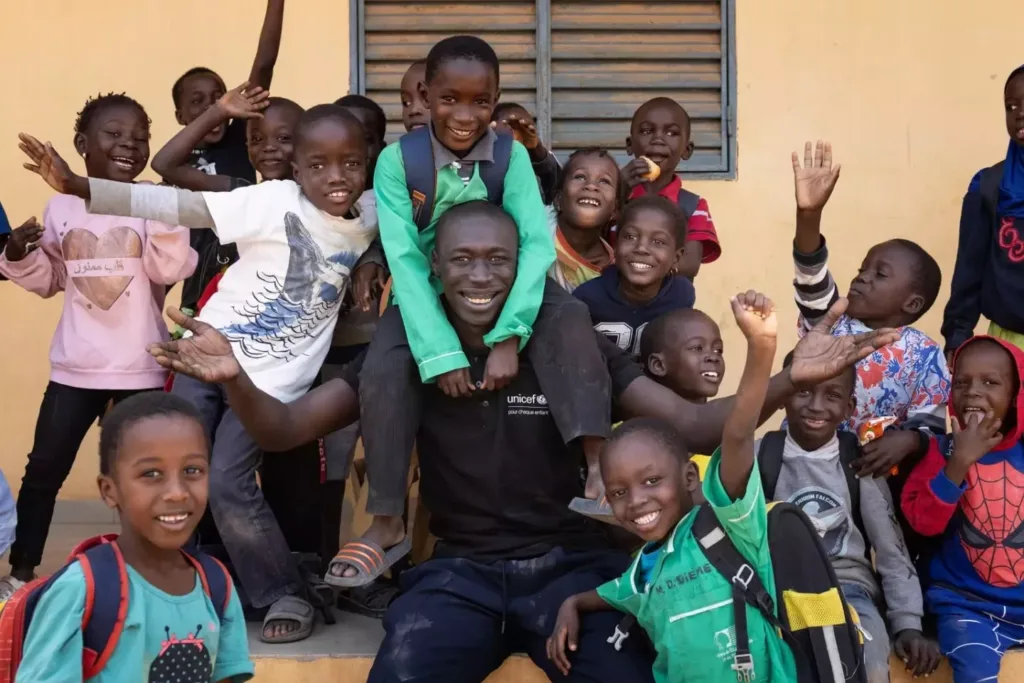
UNICEF’s guidance on adolescent participation describes a process in which young people can express views, influence decisions and contribute to change. It is more substantial than appearing in a campaign photograph. Adults need to make space for participation while considering the risks and responsibilities that come with making a young person’s story public.
For a creator’s audience, that offers a practical way to judge advocacy. Look for a clearly identified programme, accurate dates and an explanation of the people involved. A large view count measures attention; it does not, by itself, establish educational progress, the quality of a service or the long-term result of a campaign.
Our reporting on Sophie Rain’s teacher donations explores another meeting point between creator attention and education. These stories need the same basic discipline: distinguish the public gesture from the evidence of what it supports, and keep the people receiving support visible as people with their own priorities.
Lame’s UNICEF role is therefore an interesting extension of his public identity because it asks for more than recognizability. His comedy can open the conversation. The value of that opening depends on whether audiences leave knowing something about children’s rights, the work already happening and the young people whose voices should carry the story forward.


Isiagu Tobby
Wowplus editorial contributor.