

Table of contents
Dizzy Gillespie’s jazz legacy turns an October 21 anniversary into more than a celebration of a famous trumpet. Born in Cheraw, South Carolina, in 1917, he helped make bebop a new language for improvisers and brought Afro-Cuban ideas into the sound of his bands. In 2026, 109 years after his birth, those two strands offer a useful way into a career that still rewards close listening.
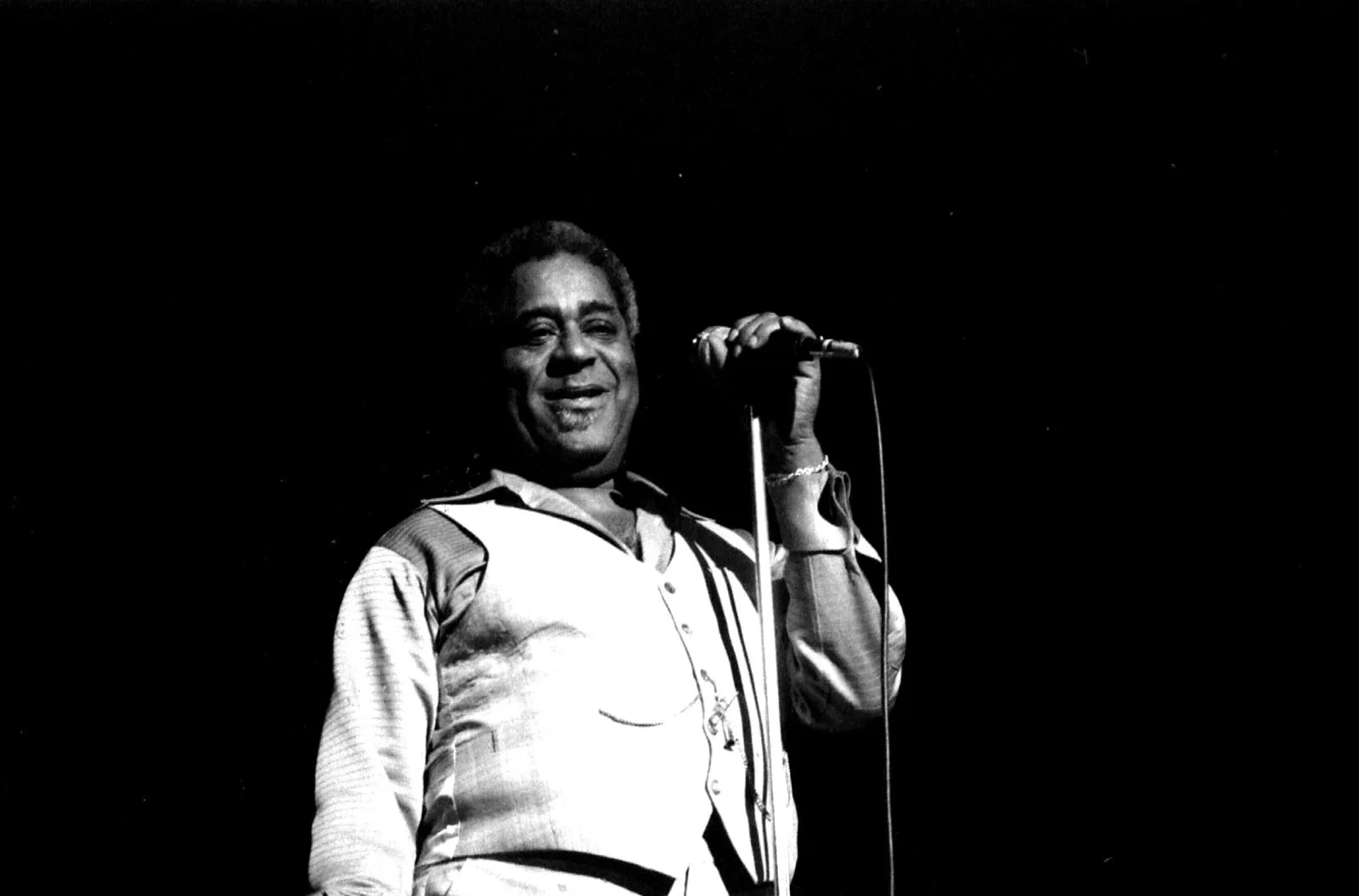
John Birks Gillespie was a trumpeter, composer and bandleader. The National Endowment for the Arts named him a Jazz Master in its first class in 1982. His public image is easy to recognise: full cheeks, an upward-pointing trumpet and a performer comfortable with an audience. The music behind that image asks for equal attention, especially the exchanges between players rather than the soloist alone.
Remembering an artist through a public honour can reopen a much larger history. Wowplus covered the Canada Post stamp honouring jazz singer Eleanor Collins in 2022. Gillespie’s anniversary invites a similar next step: move beyond the commemorative image and spend time with the performances that made the recognition meaningful.
A fast-changing musical conversation
Gillespie’s early work included major swing bands before his association with Charlie Parker helped define bebop. The NEA identifies 1945 as a crucial year, including recordings with Parker and the formation of Gillespie’s own big band. That route matters because the new music came from musicians already working within, and questioning, established ways of arranging and performing.
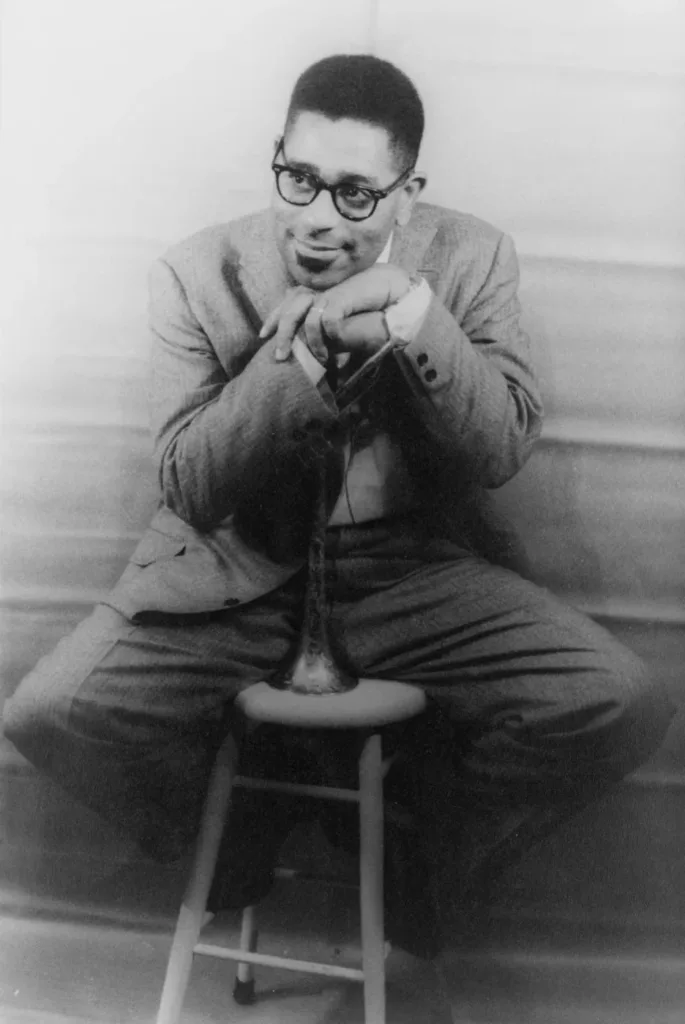
Fast notes are an obvious feature to notice, but speed alone is a poor description of a musical style. A listener can also follow the shape of a phrase, where an accent lands and how a solo relates to the accompaniment. Those details give a performance movement and personality. Treating bebop simply as a technical contest leaves much of its conversation unheard.
The Library of Congress places Gillespie among the musicians gathering for after-hours sessions at Minton’s Playhouse in Harlem. Its account also names Thelonious Monk, Kenny Clarke and Charlie Christian alongside Parker. That wider cast is a reminder that a musical change can have a memorable public face while depending on many people testing ideas together.
Recordings are only part of what survives. Wowplus’s report on the work of saving deteriorating historic archives explains why preservation has a practical side. A performance cannot become a useful reference for the next generation if the material documenting it is lost, damaged or impossible to identify.
Why Manteca needs more than one name
The Gillespie story also crosses the Caribbean. A Library of Congress essay by scholar Raul Fernandez describes the meeting between Gillespie and Cuban percussionist Chano Pozo, introduced by Mario Bauzá. Pozo brought his own experience as a composer, dancer and performer. He was a creative partner with a musical history, rather than an unnamed source of background rhythm.
Fernandez’s account describes Pozo bringing the rhythmic idea for Manteca, Gillespie adding a bridge and arranger Gil Fuller completing the piece. The first recording dates to December 22, 1947. The track’s place in the National Recording Registry, where it was added in 2004, gives today’s listeners a specific recording to explore rather than a loose claim about influence.
Hearing the piece with those contributions in mind changes the questions a listener might ask. How do the repeated figures support the horns? What happens when the texture changes? Where does the bridge take the arrangement? These are useful starting points even without specialist vocabulary. Following one layer at a time can reveal more than trying to absorb every detail immediately.
Rhythm and authorship also shape the way other musical histories are told. Our Chuck Berry centenary feature considers songs as a route into a lasting reputation. Gillespie’s catalogue invites that same attention to individual work, while keeping the different traditions and collaborators in each story distinct.
The photographs show a shared scene
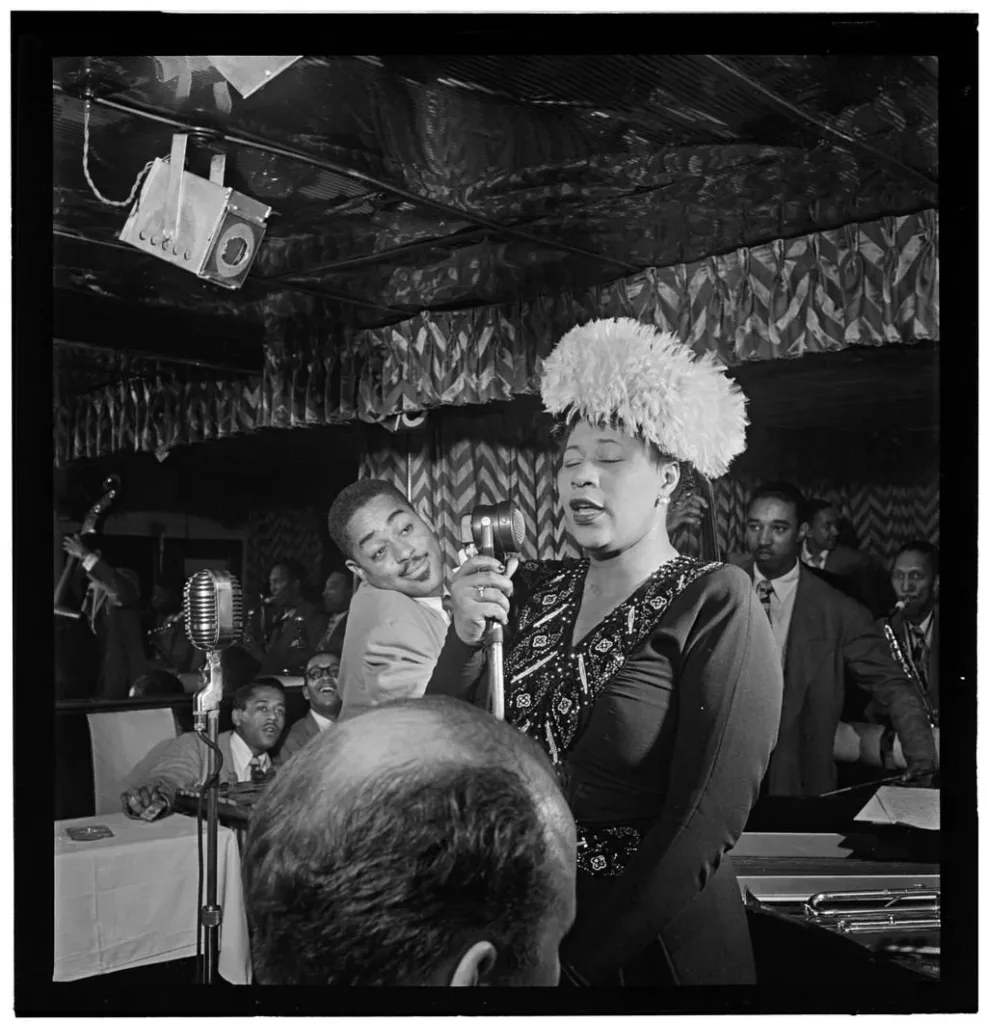
The LOC account highlights William P. Gottlieb’s photographs of the jazz world. In one 1947 image, Ella Fitzgerald sings while Gillespie looks towards her. The scene offers something a formal portrait cannot: a view of one major performer listening to another, surrounded by musicians and the working environment of a club.
The library acquired Gottlieb’s collection in 1995, and its photographs entered the public domain in 2010 under the purchase agreement. Their survival makes it possible to see instruments, expressions and relationships within the performance space. Captions remain essential. An archive photograph documents its own occasion; it should not be mistaken for a later concert or a session it never recorded.
Gillespie’s international work expanded another part of that public role. The NEA dates his State Department tours from 1956. The Smithsonian also preserves the story of his distinctive trumpet within its account of entertainment and cultural diplomacy. Touring placed the music before new audiences, while giving the performer a role beyond the recording studio or a regular club engagement.
For an anniversary listen, a manageable approach is to choose one small-group performance and then a larger ensemble recording. Compare the space around the trumpet, the arrangement and the role of percussion. There is no need to decide which version represents an entire career. The differences are part of what makes returning to the music worthwhile.
The most useful birthday tribute is therefore an attentive one. Put the famous photograph beside a well-captioned archive, check the players’ names and let a full performance run. Gillespie’s showmanship remains part of the appeal, but the musical exchanges give that familiar image its depth, and provide fresh details to notice the next time the record begins.

Isiagu Tobby
Wowplus editorial contributor.