


Table of contents
Sunday meal planning can begin with a small question: what is already in the kitchen that could become dinner? You do not need a full week of matching containers or an afternoon of cooking to answer it. A quick check of the fridge, freezer and cupboard can give the next few evenings a shape before another shopping list adds more food to the shelves.
Keep the first version modest. Choose three dinners rather than trying to settle every breakfast, lunch and snack at once. Check who will actually be at home and which evenings leave time to cook. A meal that needs several pans may fit a quiet Sunday and become an obstacle after a late shift, even if the ingredients look inexpensive.
Our earlier guide to making the food shop go further approached the grocery budget through shopping choices. This routine starts one step earlier, with the food already paid for. The aim is a short, usable plan rather than a perfect kitchen inventory that takes longer to maintain than the meals themselves.
Start with an honest kitchen check
Write down a few ingredients you can build around: perhaps unopened beans, dry pasta, potatoes, frozen vegetables or a sauce you know you enjoy. Check labels and storage instructions. If you cannot establish whether a perishable item has been handled safely, do not make using it up the centre of the plan. Reducing waste should not mean taking a chance with questionable food.
Next, separate ingredients that need attention soon from those that can wait. The fresh vegetables you bought earlier in the week may deserve a place before a sealed bag in the freezer. This is a practical order of work, not a reason to keep something beyond its safe storage period. Make the list visible enough that other people cooking in the household can use it too.
Choose a familiar base for the first dinner, then name the missing pieces. Beans and a tomato-based sauce might become a stew served with bread or another staple you have. Pasta could work with a vegetable sauce. These are starting combinations, not fixed recipes: use preparation instructions appropriate to the ingredients and adjust to the household’s preferences and dietary needs.
Frozen ingredients can help keep the plan flexible. Our earlier article on using frozen vegetables explores where they fit in cooking. For this week’s list, the useful question is which meal will use them. Buying another bag is less helpful when the one already in the freezer has no clear destination.
Give each dinner a different job
Make the first dinner the one that uses the ingredients requiring attention. Let the second be a dependable cupboard meal that needs little fresh shopping. Keep the third flexible, perhaps using a safely stored prepared component or a freezer option. Giving the evenings different roles can make the plan easier to adjust when work, visitors or appetite change.
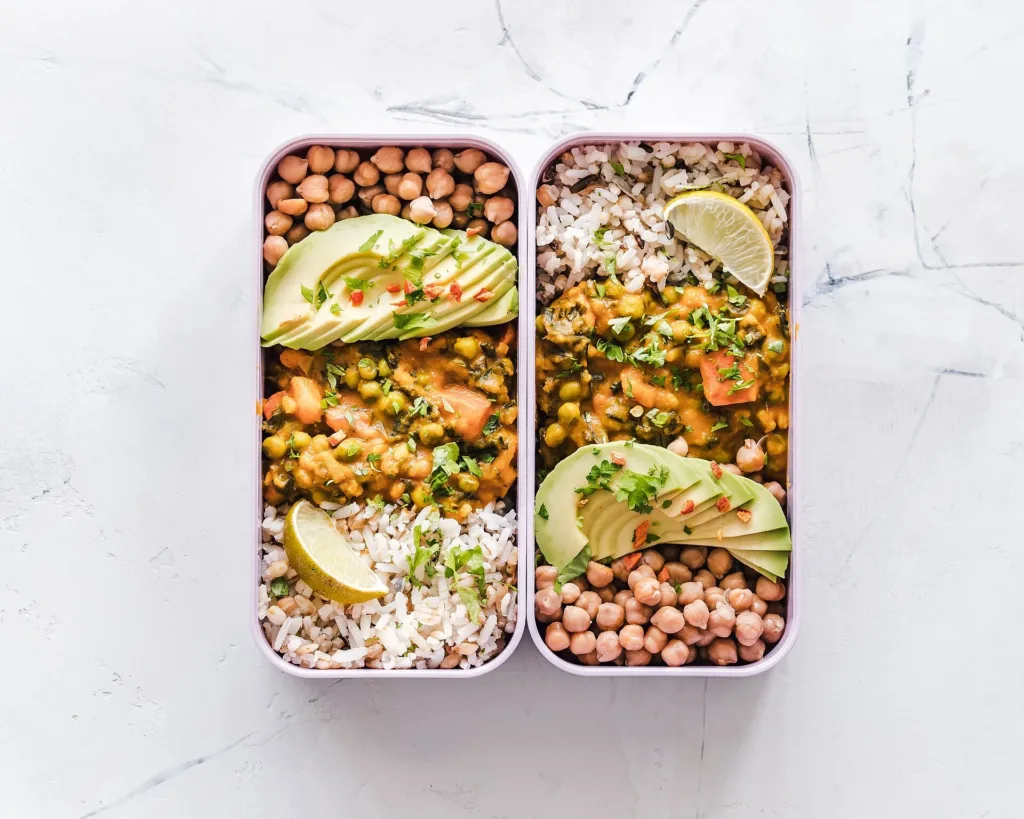
For example, a household might plan a bean stew, a pasta dinner and baked potatoes with a topping they enjoy. A shared ingredient can appear in more than one dish without every meal tasting identical. Write the three ideas before going to the shop, then list only the quantities and extras you still need. A short list makes substitutions easier to judge.
Leave one realistic fallback. That might be a frozen portion already labelled in the freezer, or a simple meal made from unopened shelf-stable ingredients. The fallback is part of the plan, not evidence that the plan has failed. If dinner changes, move ingredients deliberately so that fresh purchases do not simply disappear behind newer ones in the fridge.
The larger discussion in our World Food Day 2026 feature concerns food systems and communities. A household plan works on a smaller scale. Knowing what is available and who will eat it will not solve every food-budget problem, but it can make the next shopping and cooking decisions clearer.
Make storage part of the cooking
Leftovers need a safe destination as soon as cooking finishes. USDA guidance says to refrigerate perishable leftovers within two hours, or within one hour when the surrounding temperature exceeds 90°F, about 32°C. Divide large amounts into shallow containers so they cool promptly, and keep the refrigerator at 40°F, about 4°C, or below.
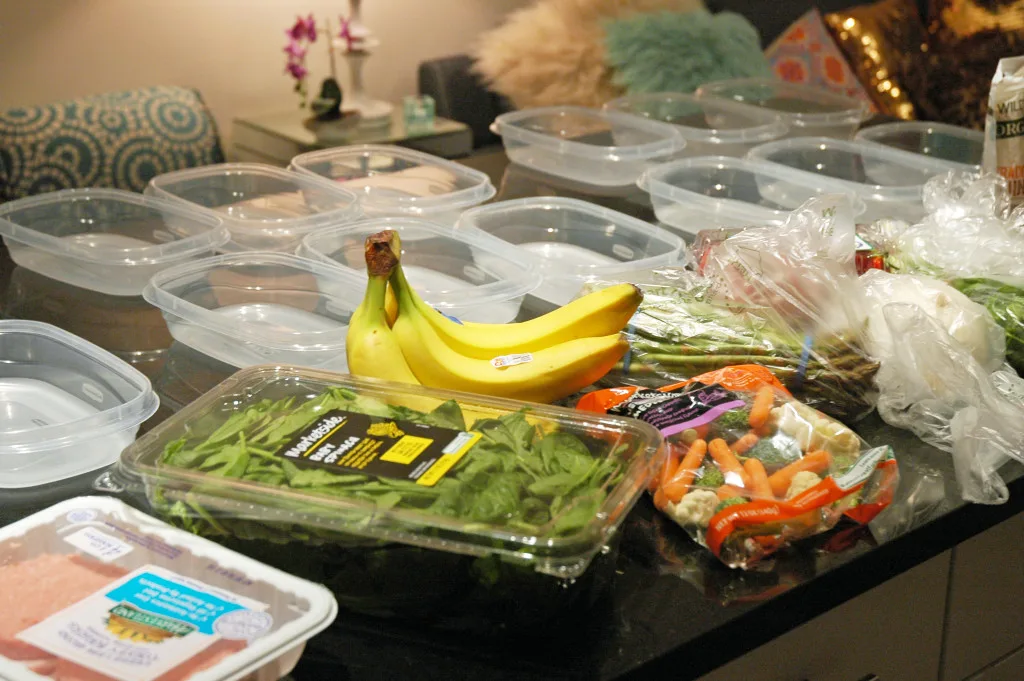
Label stored portions with what they contain and when they were prepared. USDA advises using refrigerated leftovers within three to four days or freezing them. Plan portions intended for later in the week accordingly, following the specific food’s handling guidance. A week of containers laid out for a photograph is not proof that every prepared meal can safely remain refrigerated for the entire week.
Finish the reset by leaving the plan where it will be seen: three dinner ideas, a short shopping list and a note about stored portions. After the next few evenings, notice what actually worked. Keep the useful combinations and change the awkward ones. The best Sunday routine is small enough to repeat and clear enough to help when it is finally time to cook.

Isiagu Tobby
Wowplus editorial contributor.