



Table of contents
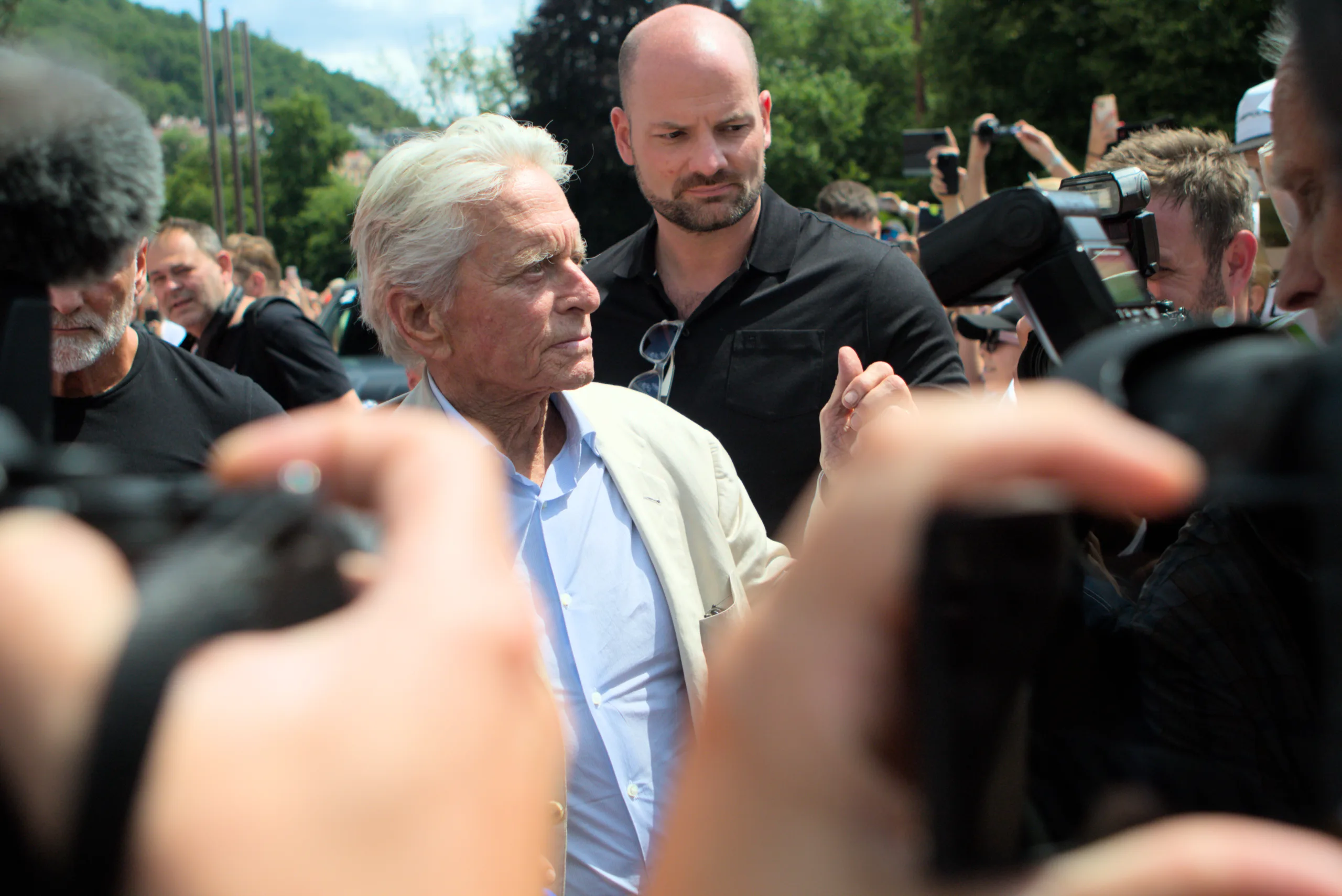
Michael Douglas memoir One Helluva Ride arrives at a point when the actor and producer has little left to prove in conventional Hollywood terms. At 82, he has decades of box-office success, major awards and one of the industry’s most recognizable family names. Yet the book’s most interesting idea is that achievement did not simplify his relationship with the past. Douglas is using the memoir to revisit memories he once avoided, including the influence of his father, Kirk Douglas, and the choices that shaped his own identity.
In a recent interview with AP, Douglas described the book as a way to look at family, career and mortality without reducing his life to a list of hits. That approach suits an actor whose public image has shifted many times: producer, leading man, Oscar winner, husband, father and cancer survivor. The memoir does not erase the polished version of his career, but it places that version beside the private complications that existed at the same time.
Douglas grew up with fame already inside the family. Kirk Douglas was one of the defining stars of postwar Hollywood, and his success created both opportunity and distance for his son. Michael has long been compared with his father, but the new book appears to treat that comparison less as a rivalry than as a lifelong inheritance. It shaped what he wanted to escape, what he admired and what he later understood differently with age.
Growing up in Kirk Douglas’ shadow
The relationship between famous parents and their children is rarely simple. A celebrated surname can open doors while also making independence harder to establish. Michael Douglas had to become recognizable on his own terms in an industry that already knew exactly who his father was. His career eventually made that possible, but the memoir suggests the emotional part of that separation took longer.
Douglas has said there were memories he could not fully confront while his father was alive. That does not make the book a rejection of Kirk Douglas. Instead, it reflects the complicated way adult children often reassess childhood once the people who defined it are gone. Admiration can exist beside disappointment, and gratitude can exist beside anger. The value of a memoir is often found in that refusal to flatten a family into heroes and villains.
Wowplus has explored similarly long Hollywood lives, including the difficult chapters in Tommy Lee Jones’ life. The details are different, but both stories show how public careers can sit beside private experiences that audiences only understand much later.

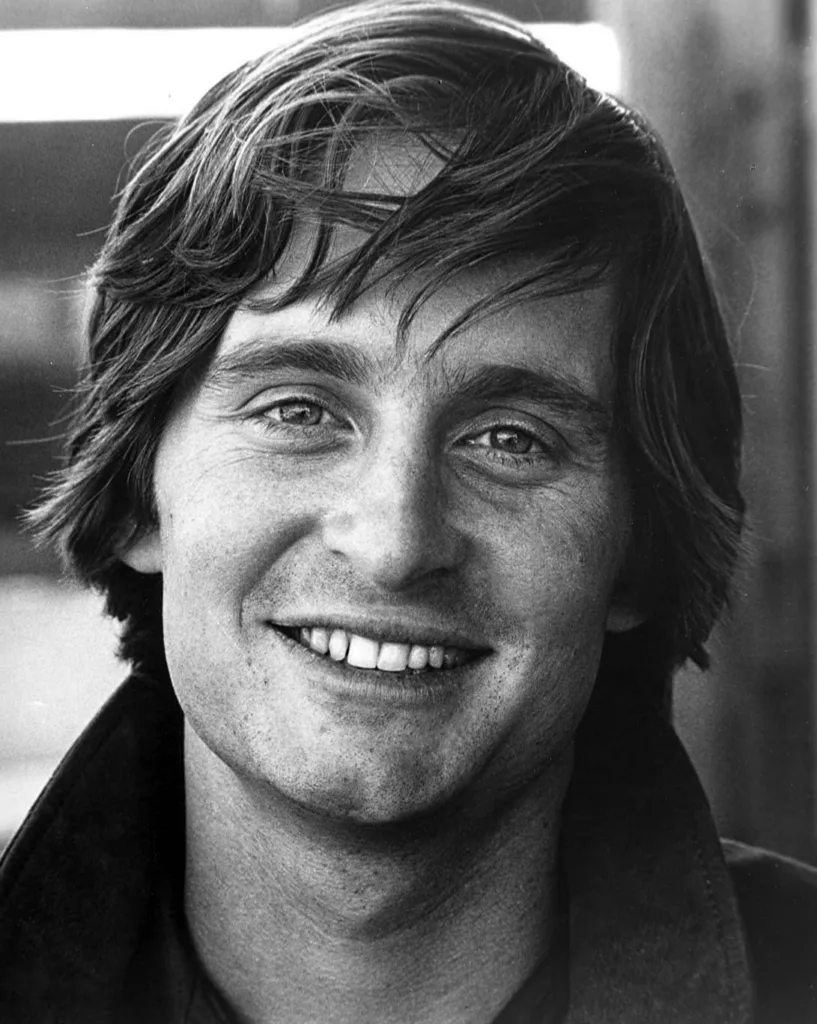
Douglas’ perspective is also shaped by time. At 82, he is not writing as an actor trying to define his next decade in Hollywood. He is looking backward from a position of unusual longevity. That changes the emphasis. Early ambition matters, but so do the people and choices that remain after the awards ceremonies, opening weekends and publicity campaigns fade.
A career built behind the camera as well as in front of it
Douglas’ career is sometimes summarized through his starring roles in films such as Wall Street, Fatal Attraction, Basic Instinct and The American President. Those performances made him one of the most visible actors of his generation. But his professional story also includes a major producing career, most famously One Flew Over the Cuckoo’s Nest, which won the Academy Award for best picture.
That producer identity is important because it shows that Douglas did not simply inherit an acting tradition. He developed a different relationship with the business, one that involved assembling projects as well as performing in them. The combination helped him avoid becoming only “Kirk Douglas’ son,” even if the family connection remained part of every profile written about him.
His longevity also invites comparison with other stars whose image changed across decades. Wowplus has traced Demi Moore’s evolution through a long Hollywood career, a reminder that public perception rarely stays fixed. Douglas has moved from young producer to intense leading man to elder statesman, and each stage has altered how earlier work is remembered.
One Helluva Ride also gives him room to discuss mistakes rather than simply celebrate endurance. The AP interview describes his reflections on addiction, relationships and the toll that professional ambition took on parts of his personal life. These subjects are best understood as Douglas’ own account rather than a universal explanation for his choices. The memoir is his interpretation of a life that other family members and colleagues may remember differently.
Health, family and the meaning of legacy
Douglas’ survival from Stage IV tongue cancer inevitably affects the way he talks about time. Serious illness can change priorities, but it would be too simple to treat recovery as the single event that transformed him. His later years also include a long marriage to Catherine Zeta-Jones, children entering adulthood and the death of his father in 2020.


He has spoken about family as a source of continuity, using the idea of “immortality” in a personal rather than literal sense. The word points toward something many actors eventually confront: films can preserve an image indefinitely, but a career is not the same as a life. Douglas’ work will remain visible to audiences who never saw it on original release, while his family will carry memories that have nothing to do with movie history.
That distinction makes celebrity memoirs compelling when they work well. Readers already know the public events, so the real value comes from how the subject understands them in retrospect. Wowplus has looked at the lesser-known sides of David Hasselhoff’s public life, another example of how a familiar entertainment figure can be more complicated than the version preserved by television and headlines.
Douglas does not need a memoir to establish his place in Hollywood history. His awards, films and producing credits already do that. What the book can offer is something less formal: an older man’s attempt to decide which memories deserve to be kept, which relationships need to be reconsidered and which parts of a famous life were never fully visible from outside.
That may be the most revealing reason to publish now. At 82, Michael Douglas is not trying to outrun the shadow of Kirk Douglas or prove that his own career mattered. He appears more interested in placing the two stories beside each other, acknowledging what was inherited and what was chosen. The Michael Douglas memoir therefore reads less like a final victory lap than a late-life act of sorting — one that accepts that legacy is made from uncomfortable memories as well as celebrated ones.


Isiagu Tobby
Wowplus editorial contributor.