Table of contents
John Lithgow at 81 is a reminder that a familiar actor can have several different careers in the public imagination. Some viewers first knew him as the wonderfully misplaced alien in 3rd Rock from the Sun; others met a far more disturbing figure in Dexter or a carefully observed Winston Churchill in The Crown. His birthday on October 19 arrives with another recognisable role ahead: Albus Dumbledore.
The Globes profile records his birth in Rochester, New York, on October 19, 1945. It also places film work, television comedy and dramatic performances beside one another. That range matters more than treating a new casting as a complete reinvention. The actor approaching Hogwarts brings a long history of changing the kind of attention he asks from an audience.
One striking transformation appears in our look at the craft behind The Crown. Lithgow’s Churchill belongs to a production built around recreating public figures and historical settings. The task is different from inventing an alien’s behaviour or unsettling viewers through a fictional killer, even though the same performer supplies the face and voice in each case.
Comedy and drama made different kinds of impression
His early screen recognition included The World According to Garp and Terms of Endearment, followed by films such as Footloose and The Pelican Brief. A selected list cannot reproduce an entire career, but it can show the different spaces in which audiences encountered him. The supporting player in one film may become the defining personality of a television programme in another part of the timeline.
Television made the contrast especially visible. The Golden Globes records his comedy win for 3rd Rock from the Sun in 1997 and his supporting-performance win for Dexter in 2010. These are awards for separate performances in different settings, rather than evidence that one genre automatically represents a greater achievement. The comparison is useful because it keeps both the comedy and the darker dramatic work in view.
The stage is another foundation. In its 2009 profile and interview, PBS described Lithgow’s theatre work alongside his writing for children and his interest in poetry. The account followed a Broadway run in Arthur Miller’s All My Sons. That is part of an older, documented chapter, not a claim that the production is currently running or that he is repeating its schedule this autumn.
The theatre world also appears in our archive coverage of the 2017 Tony Awards. A stage career asks for a relationship with a roomful of people in real time. A screen performance reaches an audience through framing and editing. Looking at both forms helps explain why a biography should extend beyond the film or series that happens to be most visible today.
The stage and the spoken word widen the story
The PBS conversation placed language near the centre of that wider work. Lithgow discussed poetry, and the accompanying profile described his collaboration on Carnival of the Animals with the New York City Ballet. It joined verse narration, music and movement, then extended into a children’s book. That combination reveals another route through performance, one not limited to playing a character inside a conventional television story.

A useful career retrospective can therefore begin with a few contrasting examples rather than trying to rank everything. Choose a comedy episode, a dramatic role and a recorded discussion or reading. Notice changes in rhythm, posture and the way a voice addresses other people. These are viewing questions, not claims that an observer can reconstruct every decision an actor made during rehearsal.
Dumbledore adds a new context. HBO announced Lithgow’s casting in April 2025 alongside other members of the Hogwarts staff. The franchise’s current teaser material identifies the first season as Harry Potter and the Philosopher’s Stone and says it will debut at Christmas 2026. That is the announced future release position as of this birthday, rather than evidence of a performance audiences have already watched in full.
There have been lighter ensemble projects along the way too. Our 2017 preview of Pitch Perfect 3 listed Lithgow among its new cast members. A long filmography can contain a historical drama, a comedy and a broad entertainment franchise without each title needing to stand for the whole person. The variety is itself part of the record.
The next role belongs beside a much longer record
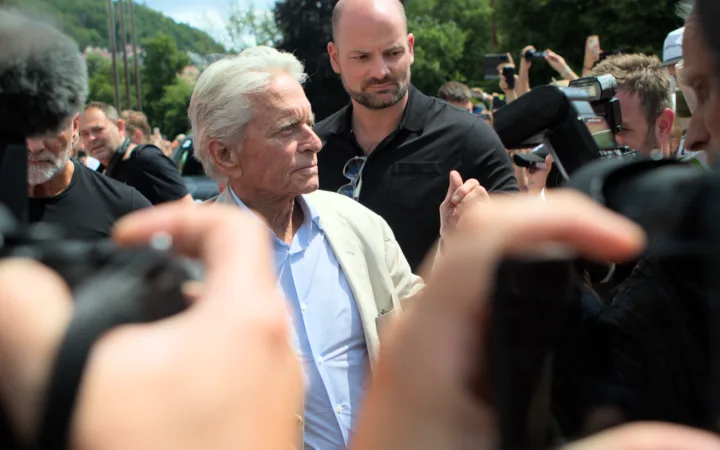
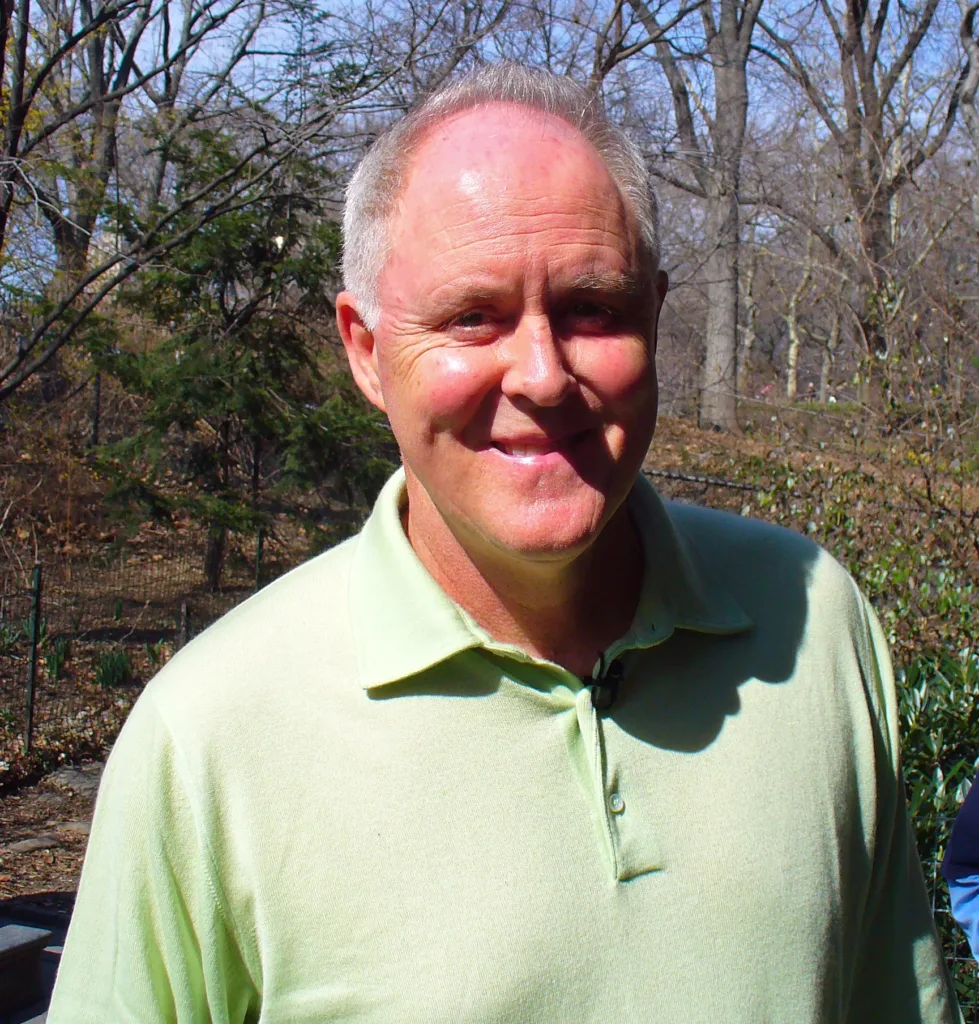
The photographs accompanying this profile come from earlier public appearances, including a Dexter panel in 2009 and events in 2007 and 2008. They show particular professional moments, not his birthday celebrations or his appearance on the new Harry Potter set. That context lets an archive support the timeline without presenting old images as current news photographs.
An established role such as Dumbledore comes with viewers’ memories of books and earlier films. Those associations create expectations, but they cannot settle how a new performance will work before the series arrives. The more grounded approach is to distinguish the confirmed casting from speculation, then consider the body of work that made the casting an interesting prospect in the first place.
At 81, Lithgow’s career is easier to appreciate as a set of connected practices: acting for a camera, performing on stage, reading aloud and writing for younger audiences. The next role will draw fresh attention, but the older work provides more than a prelude. It gives anyone curious about the actor several different places to begin, with enough contrasts to make a birthday rewatch feel worthwhile.

Isiagu Tobby
Wowplus editorial contributor.