

Table of contents
Vogue World Milano 2026 makeup turned Renaissance painting into modern runway beauty, with layered blush, luminous skin and jewel-like eye details led by Pat McGrath.
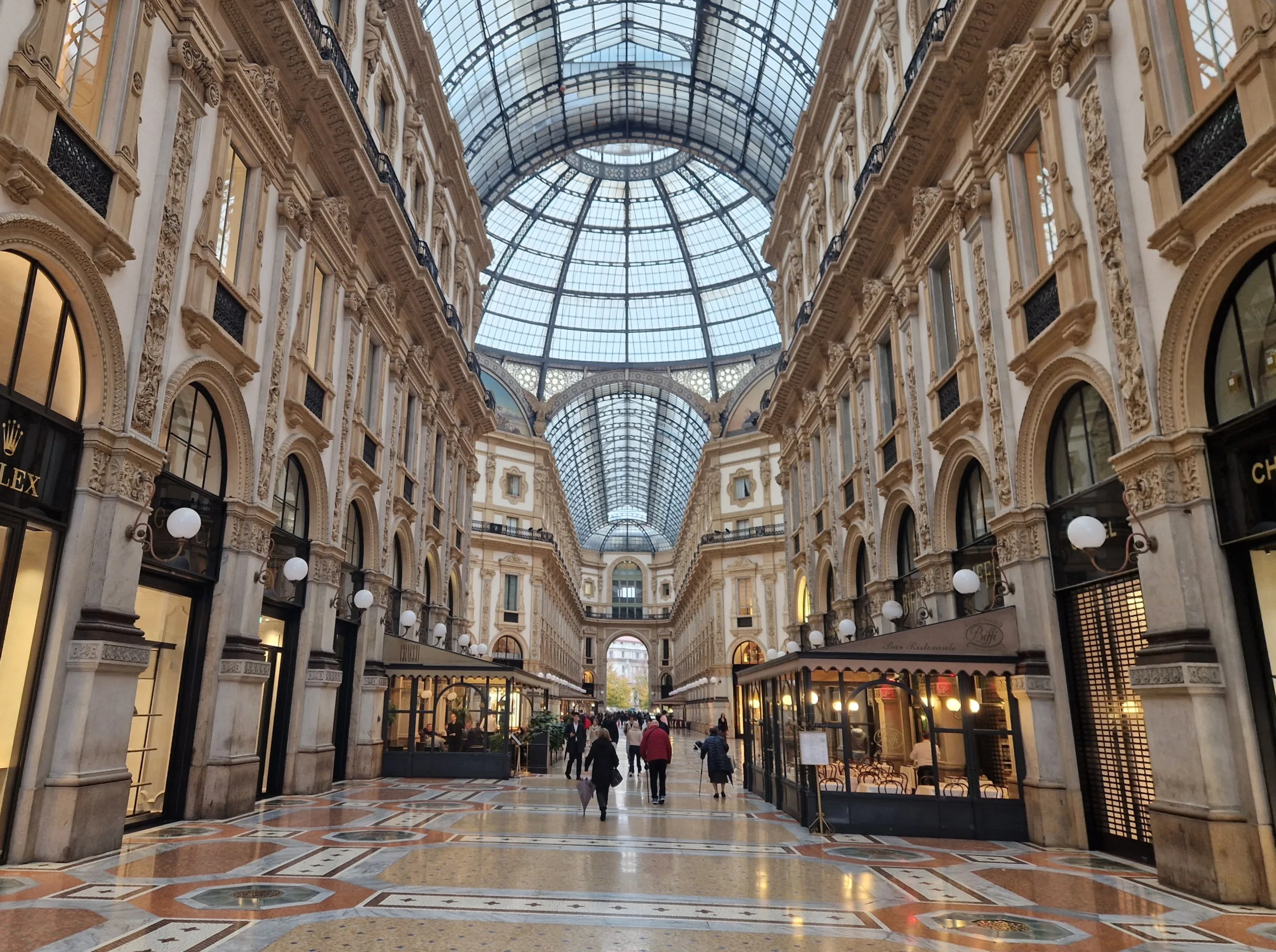
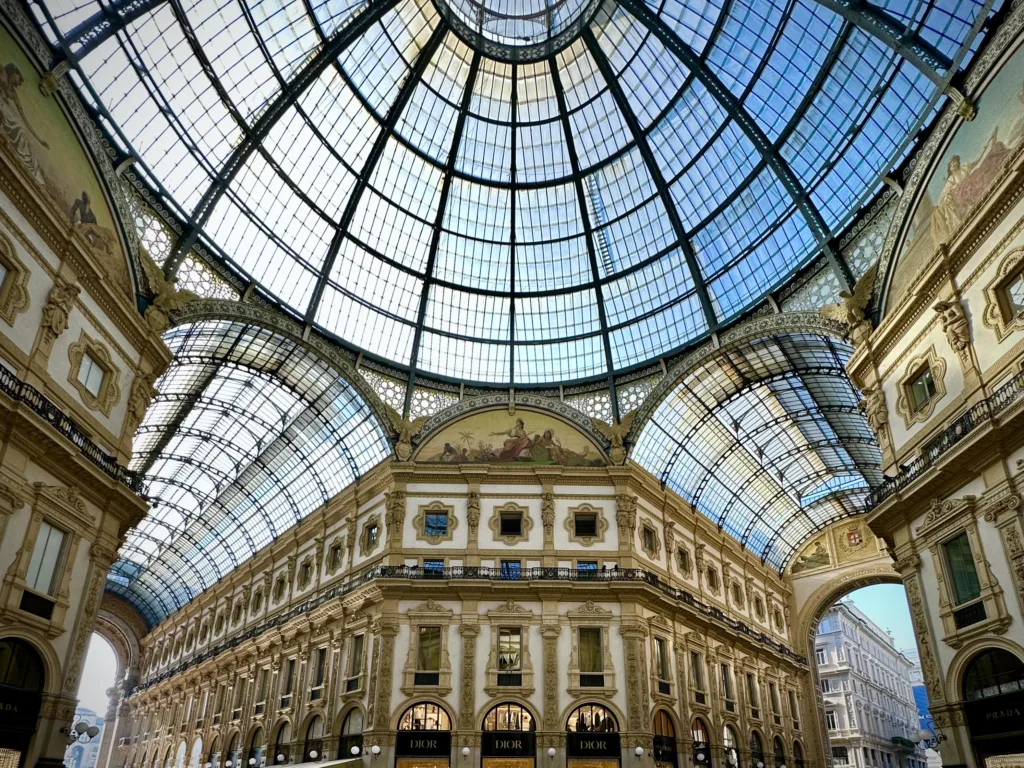
The show took place inside Milan’s Galleria Vittorio Emanuele II and treated Italian craft as its central theme. That gave the beauty team an unusual brief: the makeup had to connect centuries of visual history with a cast of modern models, performers and celebrities without looking like period costume.
The result was less about copying old paintings literally and more about borrowing their softness, color placement and sense of light. Wowplus has followed the appeal of stripped-back beauty in stories such as Lauren Sanchez’s minimal makeup look, and the Milano show added a theatrical layer to that idea by keeping skin expressive even when the details became elaborate.
Pat McGrath used Renaissance faces as a starting point
According to Vogue, the makeup direction looked to artists including Raphael, Botticelli and Ghirlandaio. Those references showed up most clearly in the complexion work, where soft color and gentle modeling replaced hard contour lines.
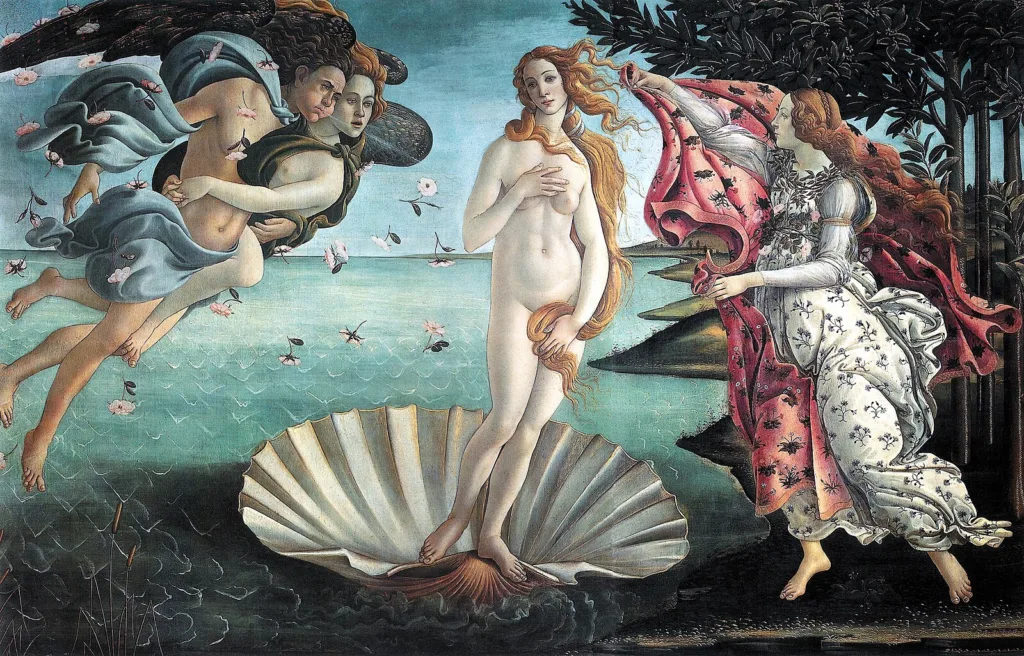
One of the standout techniques was blush stacking. Instead of using one blush shade in a single area, the team layered tones to create more dimension across the cheeks. The effect recalled painted faces that appear softly flushed rather than sharply sculpted. On a runway, that kind of layering also helps color remain visible under strong lights.
The complexion stayed luminous but not glassy. Skin looked polished enough for a major fashion spectacle while still carrying variation and texture. That balance is important because a historical reference can become heavy very quickly if the base makeup is too opaque.
Natural-looking skin has also become a familiar part of contemporary celebrity beauty. Wowplus explored a similar conversation in Angel Reese’s natural-look beauty moment. The Vogue World version was more stylized, but both examples show how visible skin can remain central even when makeup is clearly intentional.
Eyes moved from painterly softness to archival Y2K sparkle
The makeup did not stay in one historical period. McGrath’s team also pulled from more recent fashion memory, including glitter-heavy looks associated with late-1990s and early-2000s runway beauty. That created an interesting contrast: Renaissance-inspired skin could sit beside sparkling eyes, metallic accents and more futuristic details.
That mix made sense for a show built around Italian craft across different eras. Rather than presenting beauty history as a straight timeline, the makeup treated old and new references as materials that could be layered together. Soft blush could feel classical, while shimmer and reflective pigment pushed the same face toward the present.
McGrath is especially associated with this kind of transformation because her runway work often treats makeup as part of the fashion narrative rather than a separate finishing service. A face can echo a fabric, an archive reference or the lighting of the set. At Vogue World Milano, the historical theme gave that approach unusually broad territory.
Wowplus has previously looked at product-driven beauty moments in a MAC story centered on lips and lashes. The Milano show demonstrates the opposite end of the spectrum: technique and storytelling can make familiar categories such as blush, shadow and mascara feel new without requiring an entirely new product type.
Why blush stacking is the easiest idea to take off the runway
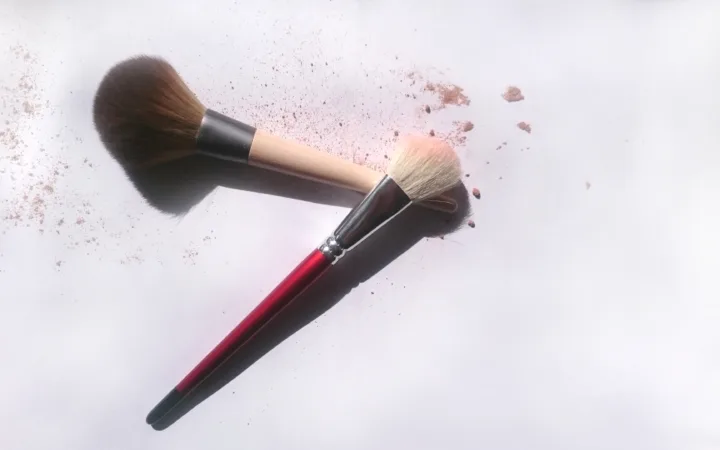
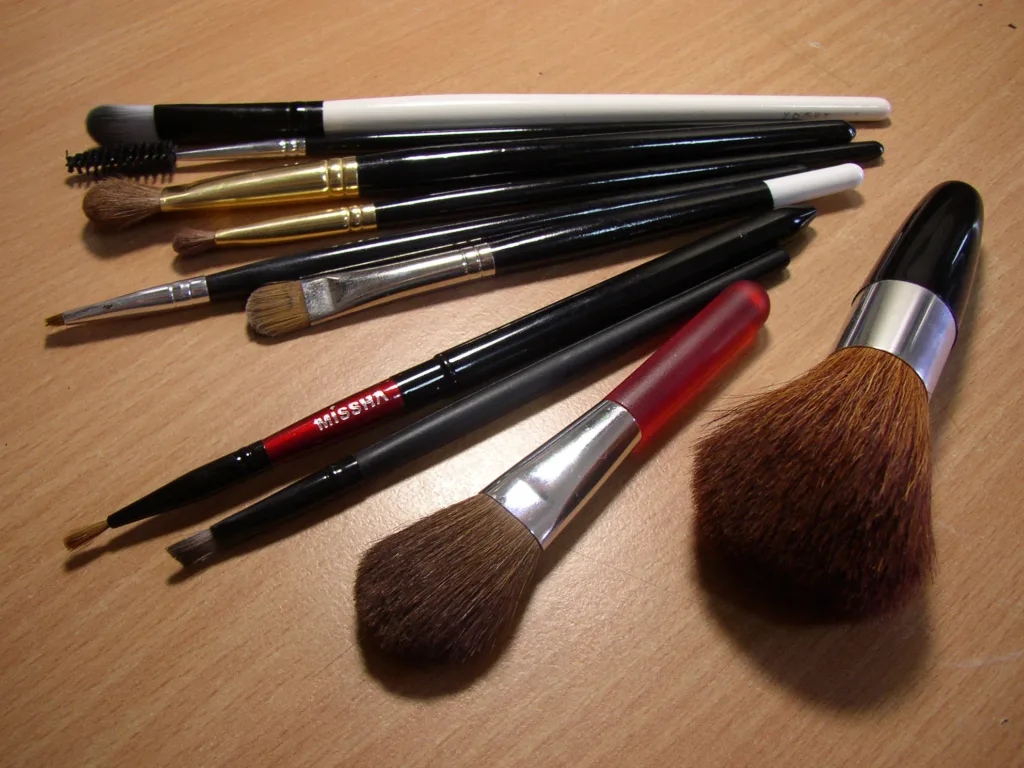
Of all the techniques from Vogue World, blush stacking is probably the most adaptable for everyday makeup. It does not require face gems, archival glitter or a professional kit. The basic idea is simply to use more than one tone or texture so the cheek color has depth.
A practical version might begin with a muted cream blush blended broadly over the cheeks, followed by a brighter powder shade placed slightly higher. The cream creates the base color while the powder adds focus and staying power. A deeper tone can also be used sparingly near the outer cheek if more structure is wanted.
The key is to keep the layers thin. Heavy applications of several blushes can quickly become patchy, especially over a dry or heavily powdered base. Starting with small amounts makes it easier to blend the transitions so the finished color looks dimensional rather than striped.
Skin tone also changes how the technique reads. Pale pinks may appear fresh on lighter complexions but look ashy on deeper skin, where richer berries, terracottas, reds and plums can create the same painterly effect. The principle is more important than the exact shade: use neighboring colors that build on one another instead of competing.
The Vogue World look also shows why placement matters. Blush concentrated only on the apples of the cheeks tends to read youthful and rounded. Extending color higher toward the temples can lift the face, while bringing a little across the center can create a sun-touched or flushed effect. Stacking allows different placements to coexist more naturally.
For eyes, the runway offers another useful lesson: sparkle works best when the surrounding makeup gives it space. A small amount of shimmer at the inner corner or across the lid can feel modern if the rest of the eye remains simple. The same glitter can look much heavier when combined with dense liner, dark shadow and large lashes.
Vogue World Milano 2026 makeup ultimately succeeded because it treated history as inspiration rather than instruction. The team borrowed softness from Renaissance portraiture, glamour from fashion archives and precision from modern backstage technique. That kept the faces connected to the show’s Italian theme without turning the cast into replicas of paintings.
For everyday beauty, the takeaway is straightforward: layering can create richness without requiring heavier makeup. Two blush tones, one carefully placed highlight or a small flash of glitter can change a familiar routine. The runway version was designed for spectacle, but the underlying ideas are simple enough to travel well beyond Milan.

Isiagu Tobby
Wowplus editorial contributor.