




Table of contents
Matthew Perry documentary plans are moving from announcement to an actual viewing date. Netflix’s three-part series The One About Matthew Perry arrives on October 27, giving audiences a new account of the actor’s life through people who knew him personally. For viewers who first encountered him as Chandler Bing, the central question is how a familiar television presence becomes a fuller portrait of a person.
The release information comes from Netflix. Mary Robertson directs the series, and Perry’s sister Mia Perry Bowick is among the contributors. The production also draws on family photographs and video. Those are confirmed details about the project; they do not yet amount to an independent judgment about the finished episodes.
A preview can explain what a documentary intends to explore without pretending to have watched material that has not been released. That distinction matters here. An intimate trailer, a recognizable face and a strong emotional premise can establish interest, but the completed series will have to show how it handles its sources, chronology and competing perspectives.
The challenge of looking beyond Chandler
Perry’s television work gives the project an unusually familiar starting point. Friends ran from 1994 to 2004, and Chandler’s timing, defensiveness and dry humor helped make him one of the show’s enduring characters. Repeated viewing can create a strong sense of knowing a performer, even when that knowledge is mainly about a carefully written role.
The distance between an actor and a defining character is part of a wider story. Wowplus previously examined Jennifer Aniston’s career beyond Friends. That earlier coverage offers useful context for how an ensemble sitcom can remain a public reference point long after its cast has moved into other work.
For a documentary, familiarity is both an advantage and a challenge. It gives viewers a reason to press play, but it can also make a film seem like an illustrated collection of moments they already remember. The most useful material will be whatever helps distinguish Perry’s working life and personal relationships from the shorthand attached to Chandler.
What personal testimony can add
The production’s stated emphasis on people close to Perry creates room for a different scale of storytelling. Family members and longtime friends can describe routines, conversations and changes that a filmography cannot capture. Their proximity can make those accounts valuable. It also makes clear attribution important, because a personal recollection is one person’s experience rather than an all-purpose verdict.


Private archive footage can serve a similar purpose when its context is clear. A family recording may show a setting or relationship unavailable in a television appearance. It should not be treated as self-explanatory, however. Dates, circumstances and the reason for including a clip help viewers understand whether they are seeing a representative moment or a carefully selected exception.
These are questions to bring to the series, not claims about how the finished episodes answer them. A responsible preview leaves space for the actual filmmaking. It can identify the announced approach while withholding a reviewer’s conclusions until the material is available to assess.
Advocacy belongs in the wider picture
Perry’s public legacy also extends beyond his screen credits. Earlier Wowplus coverage considered how his legacy continued after his death. The new Netflix docuseries creates another occasion to examine which parts of that legacy receive attention and how they fit together.
The Matthew Perry Foundation describes its work around reducing stigma and supporting access to recovery. That is a separate, ongoing institutional expression of his legacy. Its mission does not tell viewers what to think about a documentary, but it helps explain why advocacy remains part of the public discussion alongside comedy and celebrity.


The useful distinction is between acknowledging a person’s advocacy and turning a complicated life into a simple inspirational arc. Neither admiration nor grief requires a story to erase difficulty. A documentary can be compassionate while still making clear what is documented, what is remembered by a contributor and what remains outside its evidence.
Keep the documentary separate from old headlines
Audiences should also separate the coming series from earlier reporting about Perry’s death. A documentary about someone’s life is not automatically a current legal update. Trailers and promotional copy should not be used to infer the status of proceedings, and old headlines should not be silently carried forward as present-day findings.
Wowplus’s earlier report on the death investigation belongs to its original publication context. Readers looking back at that coverage should keep its date in view. The October release presents a different editorial task: evaluating a life story told through selected interviews and archives.
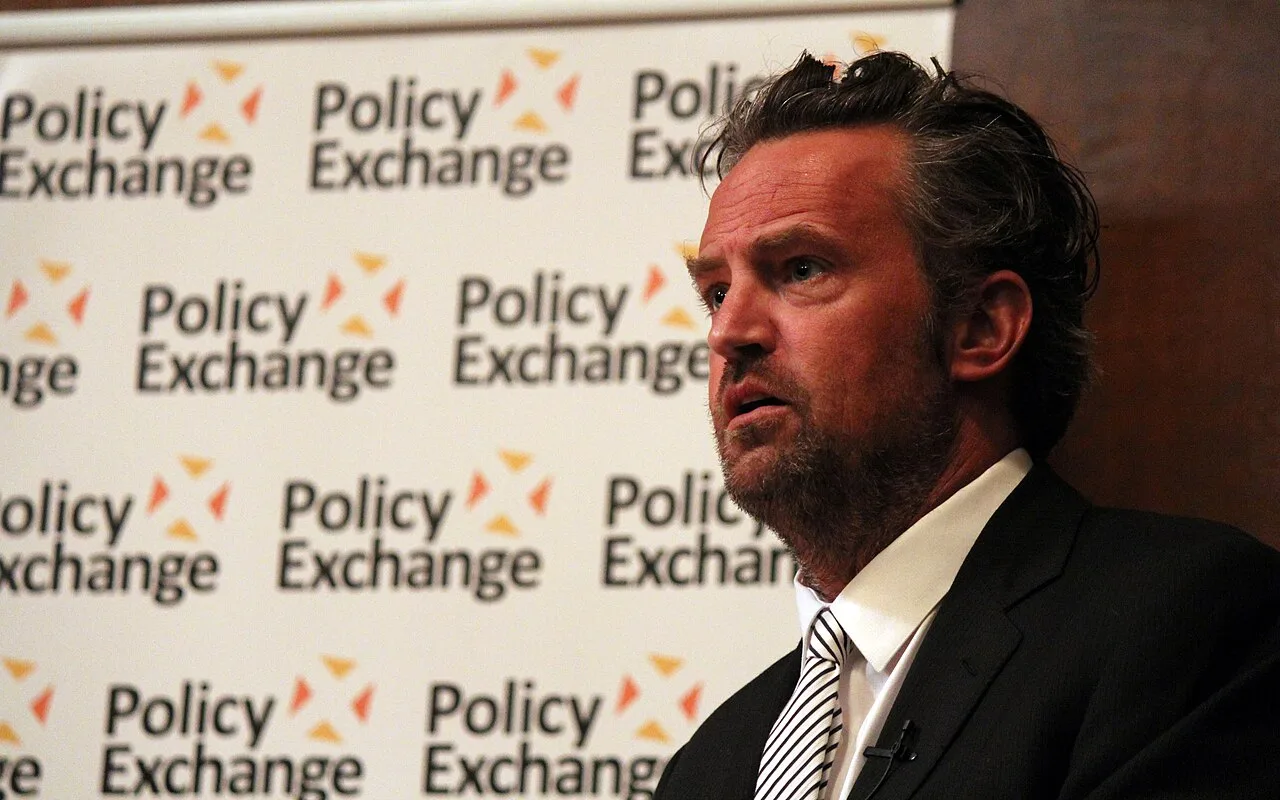
Historical photographs need that same care. Images of Perry at public events illustrate the actor and his public work; they are not stills from the forthcoming documentary. Dating those pictures avoids suggesting that an old appearance was connected to the new production or that the people pictured took part in it.
What viewers can verify before release
For viewers deciding whether to watch, the clearest confirmed information is straightforward: the title, three-part format, director and October 27 release date. Regional availability and account access should be checked in the viewer’s own Netflix service. A listing in a promotional article should not be treated as a promise about every territory or subscription.
The more interesting question will come after release. Does the series add understanding beyond a familiar collection of clips? Does it let contributors speak specifically, distinguish recollection from established fact and give the actor’s work room alongside the difficult parts of his life? Those are more useful standards than how moving a trailer appears.
Until then, the Matthew Perry documentary is best approached as an announced portrait with a clear date and a declared emphasis on people close to him. The appeal is easy to understand. What remains to be seen is how thoughtfully that material is shaped into a story that can meet the person behind a character viewers already know.


Isiagu Tobby
Wowplus editorial contributor.