





Table of contents
Paris Fashion Week heat is making one old wardrobe rule look increasingly unreliable: the idea that the calendar alone can tell you when to put away summer clothes and bring out coats. During the latest Paris shows, temperatures climbed high enough for guests to dress for conditions that felt more like late summer than a traditional October fashion week. For shoppers, that is more than a runway curiosity. It is a reminder that practical fall dressing now often depends on flexibility rather than a fixed seasonal switch.
Reuters reported that warmer autumn weather is creating problems for fashion brands because shoppers may delay buying coats, knitwear and other cold-weather items. Designers and retailers are responding with lighter fabrics and more transitional pieces. The same logic can help ordinary wardrobes: instead of dressing for the month printed on the calendar, build outfits that can handle cool mornings, warm afternoons and sudden changes without requiring a complete change of clothes.
The fashion industry still presents collections in familiar spring-summer and fall-winter cycles, but daily life does not always follow those labels neatly. A jacket that once seemed essential in early October may now spend most of the day over an arm. A light shirt that would previously have been packed away can remain useful much longer. The result is not the end of fall style. It is a shift toward layering, breathable fabrics and clothes that work across a wider temperature range.
Transitional layers are more useful than heavy outfits too early
The simplest response to unpredictable autumn weather is to stop treating layering as an afterthought. A light overshirt, cardigan, unlined blazer or thin jacket can add warmth in the morning without becoming unbearable later. These pieces are easier to carry than a heavy coat and can be removed without leaving the outfit unfinished.
That idea also makes pattern and texture more useful. Wowplus’ guide to wearing checks shows how one visual element can give a simple outfit structure. In transitional weather, a checked overshirt or light jacket can provide the seasonal feeling people want from fall clothing without requiring thick wool or insulated layers.
Fabric choice matters as much as the number of layers. Cotton, linen blends, lightweight denim and fine-gauge knitwear generally allow more airflow than dense winter fabrics. The goal is not to avoid warmth entirely but to control it. A thin knit over a breathable shirt is often more adaptable than one very heavy sweater, because each layer can be adjusted as temperatures change.

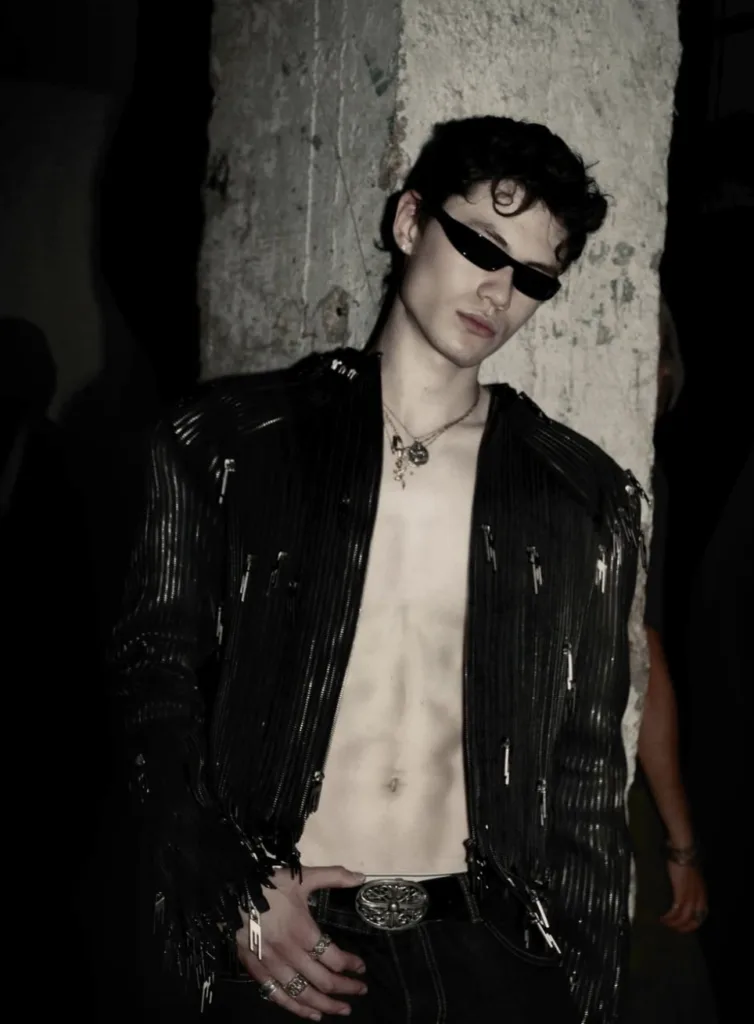
Footwear can follow the same principle. Closed shoes, loafers, lightweight boots and sneakers can feel appropriate for autumn without the heat retention of heavy winter footwear. Socks, too, can make a noticeable difference. Small adjustments are often more comfortable than dressing for an imagined cold day that never arrives.
Fall color can stay even when the fabrics get lighter
Many people associate autumn style with burgundy, brown, olive, charcoal, navy and rust. Warmer weather does not require abandoning those colors. It simply changes how they are worn. A deep brown cotton shirt can deliver the same seasonal mood as a heavy brown sweater, while an olive overshirt can replace a lined jacket on mild days.
This is where older seasonal advice can still be useful when interpreted flexibly. Wowplus has a guide to wearing color in colder months, and the broader lesson applies before true winter arrives: color can create seasonal character even when the fabric weight stays light. You do not need a thick coat to make an outfit look autumnal.
The approach also avoids buying clothes that only work for a very narrow temperature window. A lightweight layer in a rich fall color can be worn alone during a warm afternoon, over a T-shirt on a mild evening or under a coat once colder weather finally arrives. That makes the piece useful for more of the year and can reduce the pressure to rebuild a wardrobe every time the season changes.
Designers appear to be thinking along similar lines. Reuters noted that some fashion houses are adding lighter materials to collections as warmer conditions blur the old boundaries between seasons. That does not mean every runway item is practical for everyday life, but the underlying idea is easy to translate: choose clothes that can move between conditions instead of assuming one month equals one type of weather.
Buy for your actual climate, not for an idealized season
Seasonal marketing can encourage people to shop ahead of the weather. Coats appear in stores while afternoons are still hot, and spring pieces can arrive while winter temperatures remain. That schedule is useful for retailers, but it does not have to control personal buying decisions. If your local weather remains warm well into autumn, it can make more sense to delay heavy purchases until they are genuinely useful.


A more practical wardrobe starts with observing what you already wear. If a light jacket gets used three times a week while a thick coat stays untouched until December, that is useful information. If breathable trousers work across several months, they may deserve more space in the wardrobe than pieces designed for only a few cold days.
The same principle appears in good style more generally. Wowplus’ Bob Mackie style lessons focus on confidence and intentional choices rather than blindly following rules. Everyday dressing is less theatrical, but the lesson still applies: clothes work best when they suit the person, the setting and the conditions rather than a rigid idea of what a season is supposed to look like.
There is also a financial reason to think this way. If warmer autumns delay the point when heavy clothing becomes useful, buying expensive outerwear too early can mean paying full price for something that sits unused. Waiting until the need is clear may make it easier to judge what is missing and avoid duplicate purchases driven by seasonal advertising.
None of this means coats, boots or heavier knits are disappearing. Cold weather still arrives, and different regions experience very different conditions. The change is about timing and versatility. A wardrobe that can stretch across shifting temperatures is easier to live with than one divided into strict seasonal boxes.
Paris Fashion Week heat has turned that practical problem into a visible fashion story. Runways may continue to speak in seasons, but daily dressing is increasingly about weather in real time. For most people, the useful response is simple: layer lightly, keep seasonal color, buy for the climate you actually experience and let the thermometer — not the calendar — decide when the heavy coat finally comes out.


Isiagu Tobby
Wowplus editorial contributor.