



Table of contents
- Buckingham Palace Was Recreated With A Mix Of Research And Movie Magic
- Claire Foy And Matt Smith’s Pay Gap Changed The Show’s Salary Rules
- John Lithgow Used Cotton, Apple Pieces, And Padding To Become Winston Churchill
- The Costumes Were A Huge Production On Their Own
- Olivia Colman Needed Help Staying Emotionless As The Queen
- A Charles And Diana Fight Scene Was Almost Ruined By Flies
- The Show Even Changed Camera Lenses To Match Each Era
- The Corgis Were Paid In Cheese, Sort Of
- The Crown Was Grand, Strange, And Carefully Built
The Crown behind-the-scenes stories are almost as interesting as the royal drama viewers watched on screen. The Netflix series was already huge because of its subject matter, of course. Anything about the British royal family tends to pull people in, especially when it covers love, duty, scandal, power, and family tension all at once. But what happened away from the camera also helped make the show feel bigger than a normal period drama.
“The Crown” was known for its expensive look, careful casting, and grand production style. It followed Queen Elizabeth II through different stages of her life, with different actors stepping into the same royal roles as the timeline moved forward. Claire Foy played the young queen in the first two seasons, Olivia Colman took over for the middle years, and Imelda Staunton played the older monarch in the final two seasons.
That casting choice was one of the smartest things the show ever did. Instead of trying to age one actor through makeup for the entire run, the series allowed the characters to change in a more natural way. It also gave the audience a fresh feeling every few seasons, even though the main story stayed focused on the same family.
But the show was never free from controversy. Since it was inspired by real people and real events, viewers often questioned what was true and what was made more dramatic for television. That tension never really went away. Still, whether people loved it or criticized it, “The Crown” remained one of Netflix’s most talked-about shows.
And behind all of that polish were some surprising production choices, awkward filming problems, salary debates, and even a few strange stories involving dogs, ghosts, and old camera lenses.
Buckingham Palace Was Recreated With A Mix Of Research And Movie Magic
A huge part of “The Crown” takes place inside Buckingham Palace, but filming inside the real palace was obviously not an option. That created a major challenge for the production team. The palace needed to feel rich, private, historic, and believable, even though viewers were not actually seeing the real place.
Also read: Child Stars From The ’80s Who Lost Their Money After Early Fame
Production designer Martin Childs worked hard to study the palace as much as possible. He visited the public state rooms as a tourist and looked into available layouts of the private areas. But there were limits. Nobody from the production could simply walk into the private apartments and copy everything exactly.
So the show had to find a balance. It needed to feel accurate, but it also needed to work as a drama.
One of the most important filming locations was Lancaster House, a grand London mansion often used by film and television productions when they need a stand-in for Buckingham Palace. It has also appeared in projects like “Downton Abbey,” “The King’s Speech,” “Halston,” and “Bridgerton.”
That is slightly funny when you think about it. Many viewers may believe they are looking at Buckingham Palace across different shows and movies, when they are actually seeing the same famous mansion dressed up in slightly different ways.
Childs also admitted that the show was not trying to copy every room perfectly. Since “The Crown” was a drama, not a documentary, the goal was to create the feeling of scale and wealth rather than a room-by-room copy of palace life. That makes sense. Sometimes television truth is more about atmosphere than exact detail.
Claire Foy And Matt Smith’s Pay Gap Changed The Show’s Salary Rules
One of the biggest behind-the-scenes controversies from “The Crown” had nothing to do with costumes or locations. It was about pay.
Claire Foy played Queen Elizabeth II, the central character of the entire series, during the first two seasons. Matt Smith played Prince Philip, her husband. But it later came out that Smith was paid more than Foy.
The reason was partly tied to fame. Smith was already widely known for playing the Doctor in “Doctor Who,” while Foy was not as famous at the time. Still, the news did not sit well with many people. After all, Foy was playing the queen. The show was built around her character.
Foy later said she understood why people found the pay gap strange. The production company, Left Bank, apologized to both actors, saying they had been caught in a media storm through no fault of their own.
The controversy led to a new rule for the show. Going forward, no one would be paid more than the actor playing the queen.
It was a simple statement, but it carried weight. It also showed how public pressure can force change, especially when an unfair situation becomes impossible to ignore.
John Lithgow Used Cotton, Apple Pieces, And Padding To Become Winston Churchill
John Lithgow’s performance as Winston Churchill became one of the standout parts of the early seasons. What made it even more impressive was that Lithgow is American, much taller than Churchill was, and physically very different from the former British prime minister.
To help capture Churchill’s voice, Lithgow tried a few unusual tricks. He put cotton in his nostrils to recreate Churchill’s nasal sound. That worked, though he admitted it was not exactly pleasant for others to watch when he had to remove the cotton after scenes.
He also experimented with placing apple pieces in his cheeks to give his face more fullness. That idea did not last long because, as he spoke, his mouth filled with apple juice. A strange image, but also a very actorly problem. Eventually, special cheek pieces were made for him instead.
The physical transformation also required a padded suit that added a lot of weight to his frame. Since Churchill was much shorter and heavier than Lithgow, the costume team used clothing tricks, including high-waisted suits, to help change his shape on camera.
Lithgow even said he ate more and drank beer while playing Churchill, almost as if the role gave him permission. Maybe not the healthiest acting method, but it did add to the commitment.
The Costumes Were A Huge Production On Their Own
The costumes in “The Crown” were not just pretty clothes. They were a major part of how the show told its story. Every era had to feel different, from the young queen’s early years to the later decades of royal life.
One of the most impressive costume moments was Queen Elizabeth’s coronation gown. Costume designer Michelle Clapton had a bit of luck there. Angels Costumiers had already commissioned Swarovski to create an exact replica of the original gown for the queen’s diamond jubilee. That replica had been displayed at Harrods and later stored away. Fortunately, it fit Claire Foy almost perfectly.
The wedding dress, however, was a different story.
For the queen’s wedding to Prince Philip, Clapton had to recreate the gown from scratch. The process reportedly cost around $47,000. The 15-foot train alone took six people more than six weeks to embroider. Another person worked on the bodice for weeks.
There was also the added challenge that Claire Foy had recently had a baby, so her body was changing during fittings. The team had to keep adjusting the dress while still protecting all the careful embroidery.
It is easy to watch a scene like that and simply think, “beautiful dress.” But behind that one image were weeks of work, money, fittings, and probably a lot of stress.
Olivia Colman Needed Help Staying Emotionless As The Queen
Olivia Colman is known for being expressive and emotional, which is part of why people love her. But playing Queen Elizabeth II required something different. The queen was famously controlled, calm, and hard to read, especially in public.
Colman studied videos of the queen and worked with voice coaches to master her speech. She also had movement training, though she joked that she naturally walked more like a farmer than a queen.
Her biggest problem, though, was emotion. Colman said she tends to cry easily, which did not exactly match the queen’s famous stiff upper lip. To help her stay controlled during emotional scenes, the crew played the shipping forecast into an earpiece.
That detail is oddly charming. While the audience saw a composed monarch on screen, Colman may have been listening to dull weather-style reports just to stop herself from crying. It is a small behind-the-scenes trick, but it says a lot about how hard acting can be, even when the final result looks effortless.
A Charles And Diana Fight Scene Was Almost Ruined By Flies
Josh O’Connor and Emma Corrin gave powerful performances as Prince Charles and Princess Diana, especially during the tense scenes showing the cracks in their marriage. But one of their major argument scenes became memorable for a completely different reason: flies.
The scene was filmed in a desert setting, where the production had built a ranch. At first, everything seemed fine. But as the day went on, more and more flies appeared.
O’Connor later said it became almost impossible to get through a take without a fly landing in his eye, mouth, or face. Corrin remembered seeing a fly land on the side of his nose during a serious scene and having to keep acting while both of them knew it was there.
That sounds funny from the outside, but it must have been maddening in the moment. A dramatic royal fight scene is hard enough. Trying to stay in character while insects attack your face is another challenge entirely.
The Show Even Changed Camera Lenses To Match Each Era
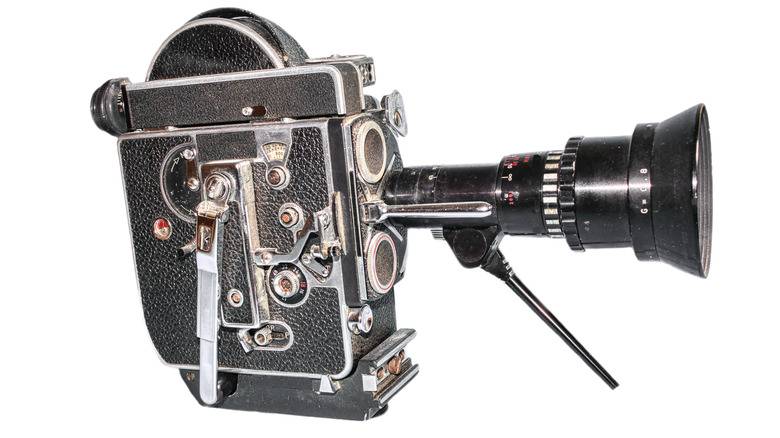
One of the more subtle details in “The Crown” was the way the camera style changed over time. The production did not just change actors and costumes as the decades passed. It also changed the lenses used to film the show.
Also read: Giuliana And Bill Rancic Moments That Proved Their Marriage Is Still Strong
Director of photography Adriano Goldman wanted each era to have its own visual feeling. Since the cast changed every two seasons, he decided the camera lenses should change too. For the early seasons, he used lenses made in the 1950s. Later seasons used lenses and cameras that better matched the time period being shown.
Most viewers probably never noticed this directly. But that was the point. It created a quiet shift in texture and mood, helping the show move from one era to another without making it feel too obvious.
It is the kind of detail that shows how serious the production team was about atmosphere. Even if the audience did not know why a season felt different, they could still feel it.
The Corgis Were Paid In Cheese, Sort Of
Queen Elizabeth’s corgis were a constant presence throughout the series, and the dogs had their own behind-the-scenes routine. The same two Pembroke corgis, Lily and Prince, played the queen’s pets during the show.
To get them to hit their marks and respond during scenes, the trainers used small pieces of cheese. Claire Foy joked that the dogs were eating so much cheddar that it became a little scary.
It is a funny detail, but it also makes sense. Animals do not care about royal drama, emotional speeches, or Netflix budgets. They care about snacks. And apparently, cheese was the secret to making royal corgi scenes work.
The Crown Was Grand, Strange, And Carefully Built
“The Crown” looked polished on screen, but behind the camera, it took a mix of research, money, acting tricks, costume pressure, technical planning, and unexpected chaos to make the show work. There were serious issues, like the pay gap between Claire Foy and Matt Smith. There were strange moments, like Helena Bonham Carter reportedly asking Princess Margaret’s ghost for permission to play her. And there were simple production headaches, like flies ruining a dramatic scene or corgis needing cheese to behave.
That is what makes the show’s behind-the-scenes world so interesting. It was not just a luxury drama about royalty. It was a massive production full of human problems, creative choices, and odd little fixes.
Maybe that is why “The Crown” stayed in people’s minds. It looked grand, but it was built from thousands of small decisions. Some were elegant. Some were messy. Some were almost silly. But together, they helped create one of Netflix’s most talked-about series.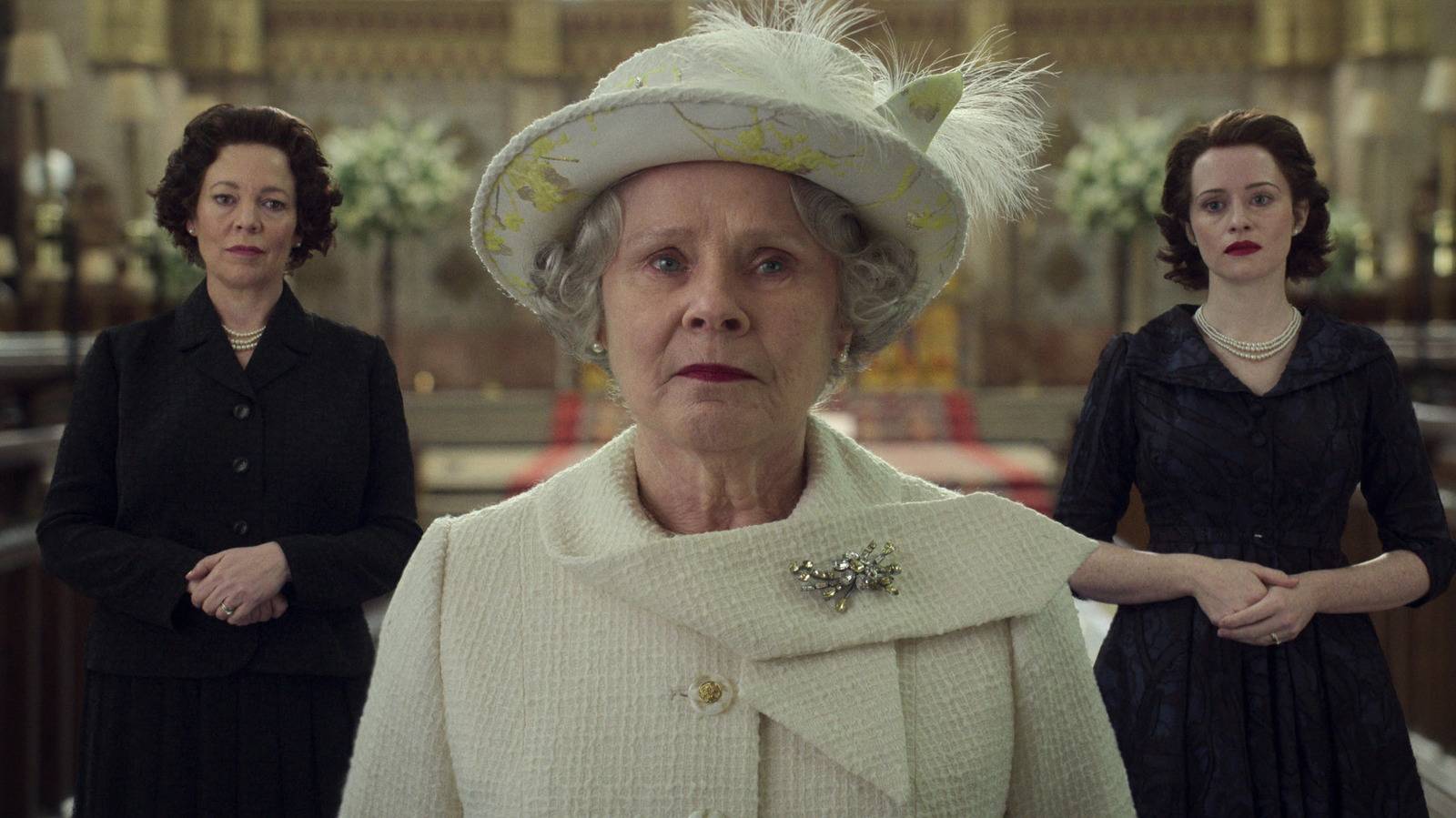


Terry Paul
Paul Terry is a publisher and an author in wowplus.net and other news channel