




Table of contents
- Physical activity remains one of the clearest recommendations
- Blood pressure, cholesterol and blood sugar are brain-health issues too
- Smoking and harmful alcohol use remain important modifiable risks
- Hearing loss is now a bigger part of the prevention conversation
- Social and cognitive activity matter, but there is no magic brain game
- Air pollution makes dementia prevention bigger than personal behavior
- Education and inequality affect risk across decades
- Risk reduction is useful even when prevention is impossible
WHO dementia risk guidelines 2026 put a stronger emphasis on prevention across the life course, with the World Health Organization saying that a substantial share of dementia risk may be reduced or delayed by addressing modifiable factors such as physical inactivity, tobacco use, harmful alcohol use, high blood pressure, diabetes, social isolation, hearing loss and air pollution.
The updated guidance does not say dementia is fully preventable. Age remains the strongest known risk factor, genetics matter, and many people develop dementia even when they follow healthy habits. The practical message is narrower: some risk factors can be changed, and reducing them may lower the likelihood or delay the onset of cognitive decline in some people.
The WHO says up to 45% of dementia risk could potentially be prevented or delayed by addressing modifiable factors. Its second-edition guidelines, released in July 2026, update the 2019 recommendations and add more attention to environmental exposures and tailored, multidomain prevention strategies.
Wowplus covered earlier research on lifestyle changes and dementia risk back in 2017. The new WHO guidance builds on a much larger evidence base and is useful because it separates factors people can influence from those they cannot.
Physical activity remains one of the clearest recommendations
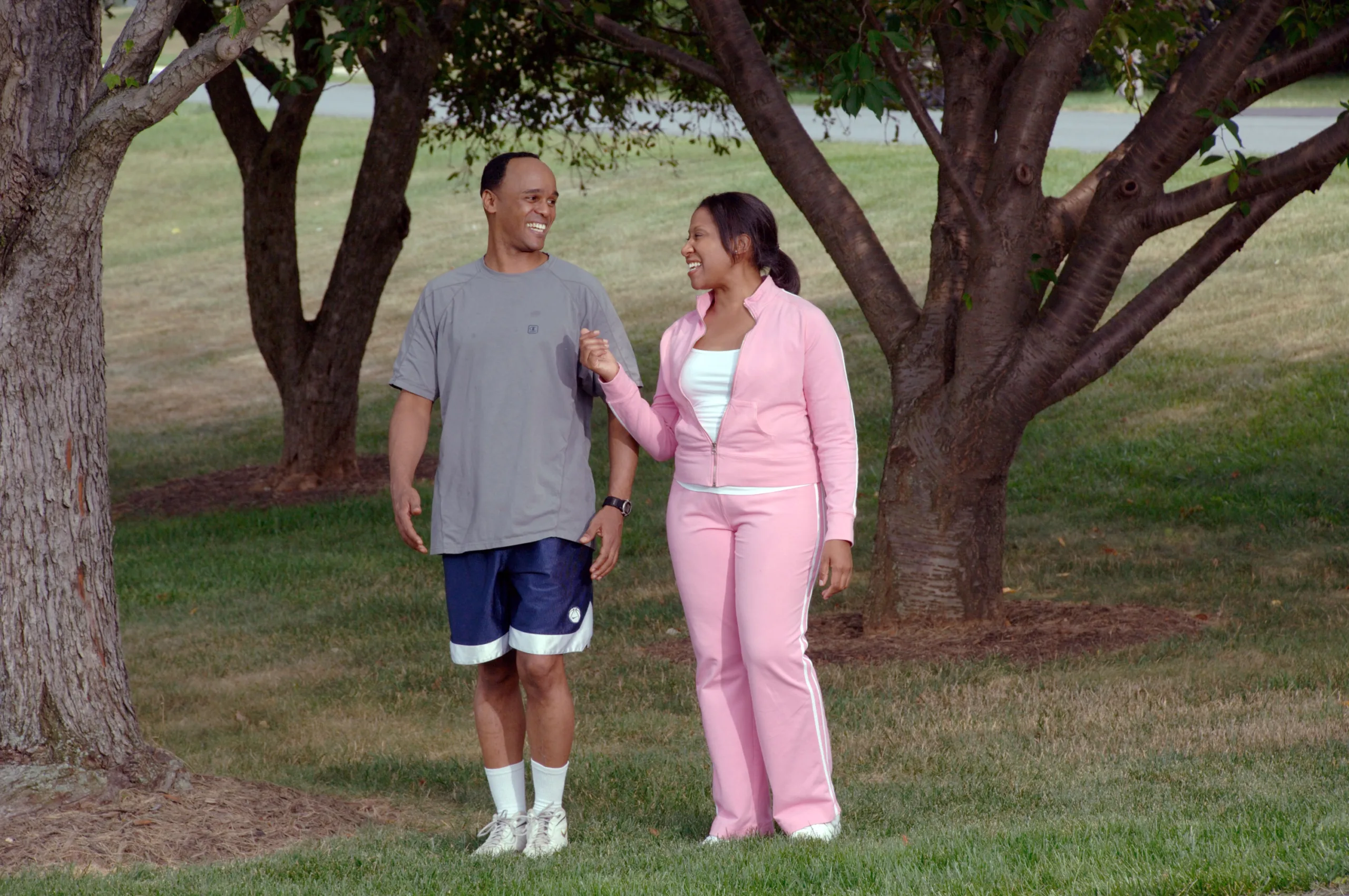
Regular physical activity supports cardiovascular health, blood pressure, blood-sugar control and overall brain health. Those pathways matter because several cardiovascular and metabolic conditions are also linked with higher dementia risk.
The point is not that exercise guarantees protection from dementia. It does not. Rather, being physically active can reduce multiple health risks at once, some of which overlap with cognitive decline later in life.
For many adults, walking is a realistic starting point. More structured aerobic and strength exercise can add further benefits, but a sustainable routine is more useful than an ambitious plan that is abandoned after two weeks.
People with significant medical conditions or mobility limitations may need individualized advice before changing activity levels substantially.
Blood pressure, cholesterol and blood sugar are brain-health issues too
The WHO guidance highlights the importance of managing hypertension, high cholesterol and diabetes. These conditions are often discussed mainly in relation to heart disease, but the brain depends on a healthy blood supply too.
Long-term damage to blood vessels can affect the brain directly, and vascular disease can contribute to cognitive decline. That makes routine medical care part of dementia-risk reduction, not only lifestyle advice.
People should not stop or change prescribed medicines because of general prevention articles. Blood-pressure, cholesterol and diabetes treatment should be individualized with a clinician.
Wowplus has also looked at everyday habits that can make people feel more forgetful. Occasional forgetfulness is not the same as dementia, but sleep, stress, medication effects and other factors can influence day-to-day cognitive performance.


Smoking and harmful alcohol use remain important modifiable risks
Tobacco damages blood vessels and raises the risk of cardiovascular and respiratory disease. The WHO includes smoking among the modifiable factors that should be addressed as part of a broader brain-health strategy.
Alcohol risk is more nuanced because patterns and quantities matter. The guideline focuses on avoiding harmful alcohol use rather than presenting alcohol as a treatment or protective strategy.
For people who smoke, quitting can produce health benefits at almost any age. For people who drink, reducing heavy or harmful use can lower several health risks beyond dementia.
These changes can be difficult, particularly when nicotine dependence or alcohol-use disorder is involved. Professional support, medication and structured treatment can be appropriate, and seeking help is more realistic than treating the issue as a simple test of willpower.
Hearing loss is now a bigger part of the prevention conversation
Untreated hearing loss can contribute to social isolation and may increase cognitive load, making it harder for the brain to process conversations and environmental information.
The WHO guidance includes hearing care among the factors that can be addressed. That can mean hearing assessment, appropriate hearing aids and reducing barriers that prevent people from using them consistently.
Hearing support does not “cure” dementia or guarantee prevention. The value is that an identifiable sensory problem can be treated, improving communication and potentially reducing one pathway associated with cognitive decline.
Social and cognitive activity matter, but there is no magic brain game
Staying socially connected and cognitively engaged is part of the WHO’s broader risk-reduction framework. That can include conversation, reading, learning new skills, work, volunteering, hobbies and other activities that keep people mentally and socially involved.
This does not mean one crossword, app or commercial brain-training program has been proven to prevent dementia. The evidence is stronger for maintaining an active, engaged life than for any single branded exercise.
Social isolation can affect health through several pathways, including mood, physical activity and access to support. Community design, transportation and family networks can therefore matter alongside individual choices.
Sleep also influences attention and memory in the short term. Wowplus’ digital-detox sleep reset guide explains practical ways to improve sleep habits, although better sleep should not be presented as a guaranteed dementia-prevention method.


Air pollution makes dementia prevention bigger than personal behavior
One important expansion in the 2026 guidance is greater attention to environmental risk. Air pollution is included among the exposures that may contribute to dementia risk.
Individuals can sometimes reduce exposure by avoiding heavy traffic during exercise, improving indoor air quality or following local air-quality alerts, but pollution is not something people can solve through personal discipline alone.
Transport policy, industrial regulation, housing quality and urban planning all influence exposure. That is why the WHO frames dementia prevention as a public-health issue as well as an individual one.
Education and inequality affect risk across decades
The updated guidance takes a life-course approach, meaning risk is shaped by experiences from early life through older age. Education, income, access to health care and exposure to environmental hazards can all influence the opportunities people have to protect brain health.
Advice such as “exercise more” or “eat better” is less useful when neighborhoods lack safe places to walk or when nutritious food and medical care are unaffordable.
The WHO therefore emphasizes equity and multisectoral action. Dementia-risk reduction is not only a checklist for individuals; it also depends on whether communities make healthy choices realistic.
Risk reduction is useful even when prevention is impossible
The most important way to read the WHO dementia risk guidelines 2026 is as a risk-reduction document, not a promise.
No person can control age, genetics or every environmental exposure. Someone can do many things “right” and still develop dementia. Conversely, one unhealthy habit does not mean dementia is inevitable.
The practical value of the guidance is that many recommended actions—physical activity, controlling blood pressure, not smoking, treating hearing loss and staying socially connected—also improve other parts of health and daily functioning.
That makes the advice worthwhile even when its effect on one individual’s dementia risk cannot be predicted precisely. The goal is not certainty. It is to improve the odds where the evidence says change is possible.


Isiagu Tobby
Wowplus editorial contributor.