





Table of contents
Paramount Warner Bros settlement review is now the final major courtroom question hanging over the companies’ planned combination after Paramount reached agreements with 12 state attorneys general and the Writers Guild of America. The proposed consent decree removed major legal obstacles, but the federal judge overseeing the states’ case has made clear that approval is not automatic.
At a September 24 hearing, U.S. District Judge Araceli Martínez-Olguín questioned lawyers about how the settlement was negotiated, how its remedies address the states’ original competition concerns and how compliance would be monitored. She did not approve the decree at the hearing and said a ruling would come in due course.
That distinction matters because reports earlier in the week could make the merger sound essentially finished. Variety reported that the judge described the court as more than a rubber stamp and asked the parties to provide additional information before she decides whether to enter the agreement.
The settlement changed the merger fight, but did not end judicial review
The state attorneys general had sued to block the Paramount-Warner Bros. Discovery transaction on antitrust grounds. Their settlement changes the practical posture of the case because the government challengers are no longer asking the court to stop the deal outright. Instead, the dispute has moved to whether the negotiated conditions are sufficient and legally appropriate.
That is a material change from the earlier stage of the fight. Wowplus recently covered Paramount’s $1.88 billion bond request in the Warner Bros merger case, when the immediate question was who should bear the financial cost of delaying the transaction while litigation continued.
The proposed consent decree now offers a different path. It would allow the merger to proceed while imposing a series of operating commitments for five years. Those conditions are designed to answer some of the concerns raised by the states without requiring a permanent block or a major divestiture before closing.


The judge’s questions show why settlement does not eliminate court scrutiny. When government plaintiffs resolve a major antitrust case, a court may still examine whether the agreement addresses the issues that brought the case into court and whether its terms can be enforced in practice.
The proposed terms reach into film production and studio operations
Among the most significant provisions, Paramount has agreed to increase annual U.S. film-production spending by at least $300 million over a five-year period, for a total of at least $1.5 billion in additional investment. The combined company would also have minimum theatrical-release commitments, with at least 30 films in each of the first two years and at least 32 in years three through five.
Those commitments matter because the merger debate has never been only about corporate ownership. The studios sit inside a wider production economy that includes theaters, writers, actors, crews, vendors and local spending. Wowplus previously examined Warner Bros. Discovery’s mixed streaming and studio performance, which helps explain why future production levels are closely watched.
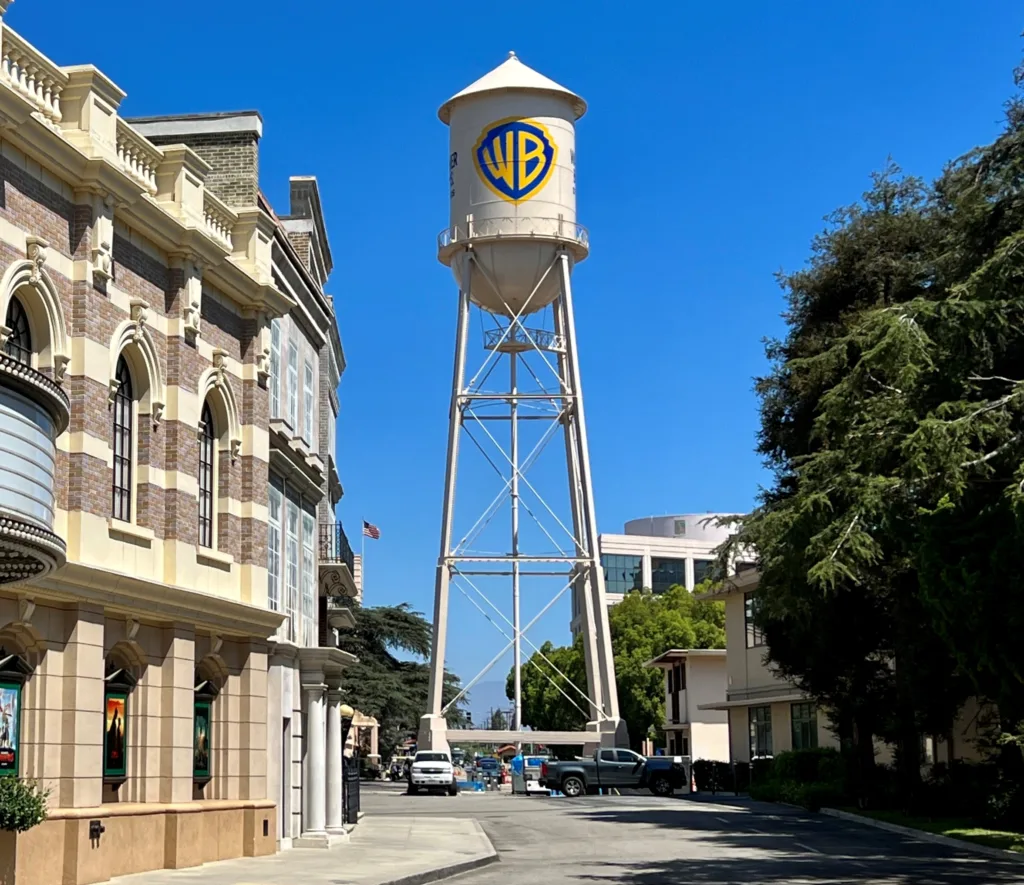
The agreement also includes commitments involving the Paramount and Warner Bros. studio lots in California. The companies would maintain operations and refrain from selling those properties during the relevant period. That responds to concerns about whether consolidation could lead to a rapid shrinking or relocation of physical production infrastructure.
Another provision establishes oversight connected to news editorial independence at CNN and CBS News. The exact effectiveness of any oversight system will depend on implementation, but its inclusion shows how unusually broad the merger’s public footprint has become. The transaction reaches film studios, television networks, streaming businesses, newsrooms and major libraries of intellectual property.
Opponents are still asking the court to scrutinize the agreement
The settlement has not ended criticism of the merger. Outside groups have asked the court to reject or more closely examine the decree, arguing that the conditions do not fully answer concerns about concentration. Their objections are not the same as a government antitrust lawsuit, but the judge has allowed additional briefs to be filed as she considers the proposed settlement.
The court has also asked Paramount and the states to respond to a letter from Sen. Cory Booker questioning the process and seeking a public-interest review. Paramount has opposed that intervention. The judge has not adopted either side’s position and has not indicated that the letter will determine the result.

For the entertainment business, the practical uncertainty is important. Companies preparing for integration need to make decisions about staffing, production, technology and distribution, yet a legal closing condition still remains. That kind of uncertainty can slow planning even when executives believe the transaction is near completion.
It also arrives during a period when studios are experimenting with cheaper and more flexible formats. Wowplus has covered the Hollywood microdrama boom and its lower-cost production model, a useful contrast to a merger whose settlement promises hundreds of millions of dollars in additional traditional film spending.
The business question is shifting from whether a deal exists to how it would operate
Until recently, Paramount and Warner Bros. Discovery faced a more basic question: could the transaction survive the legal challenges at all? The settlements with the states and the WGA have moved the focus closer to implementation, but they have not removed the need for final judicial action on the states’ consent decree.
If the court approves the settlement, attention would quickly turn to whether the combined company meets its production commitments, how the two large studio operations are integrated and where management chooses to cut overlapping costs. A merger can promise more production while still creating pressure to consolidate corporate departments, so the eventual operating structure will matter as much as the headline commitments.
The financial scale adds another layer. Paramount has been arranging substantial financing for the transaction, meaning the combined company would enter its next phase with both valuable assets and significant obligations. Streaming growth, theatrical performance, advertising trends and the cost of integration will all shape whether greater scale produces the benefits management expects.
Paramount Warner Bros settlement review therefore marks a narrower but still meaningful stage of the deal. The largest government challenge has been negotiated into a proposed five-year framework, yet the court has not simply signed it and moved on. Until the judge enters the decree, the most accurate description is that the merger has cleared major obstacles but still has a legal checkpoint in front of it.
That may be less dramatic than the earlier bond fight, but it is the part that determines whether negotiated promises become enforceable conditions. For Hollywood workers, theater operators and viewers, the next important development is not another corporate victory lap. It is the court’s decision on the agreement that would govern how the combined company behaves after closing.


Isiagu Tobby
Wowplus editorial contributor.