Table of contents
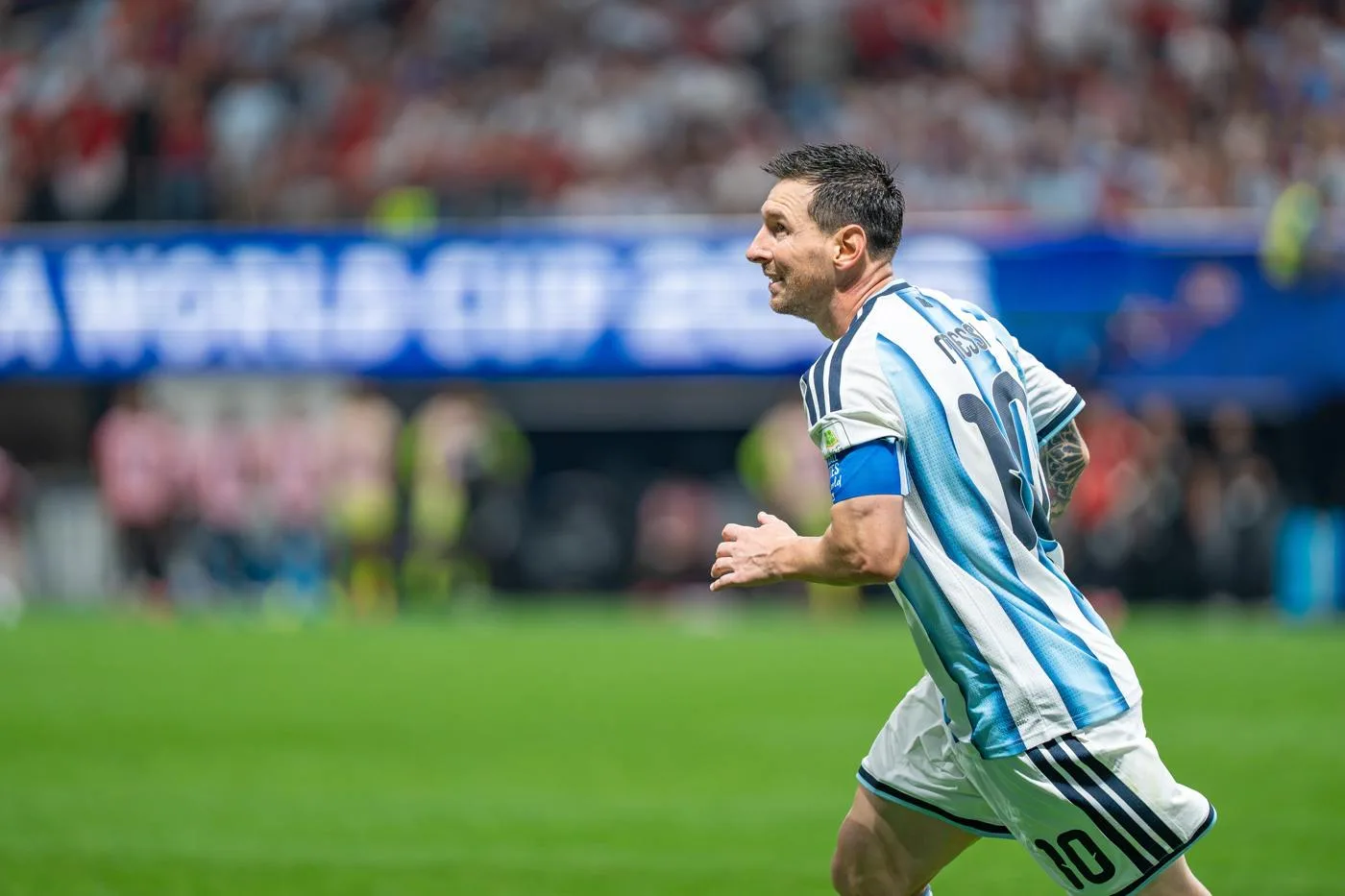
The Messi Asturias award brought Lionel Messi to Oviedo on Friday, 23 October, for recognition that reaches beyond goals and medals. The Argentina and Inter Miami captain received the 2026 Princess of Asturias Award for Sports from Princess Leonor at the Campoamor Theatre, adding a different kind of honour to his football career.
Barcelona confirmed his attendance after he arrived in the Asturian city on Thursday. The award had been announced on 3 June; Friday was the presentation ceremony. Its organisers recognised sporting achievement alongside charitable work, while the occasion placed Messi among laureates whose contributions are celebrated across fields extending well beyond professional sport.
Our Lionel Messi career profile traces the playing journey behind that recognition. The latest ceremony adds a public-service dimension to a familiar story about elite football. For supporters accustomed to judging a season by trophies, the award offers another way to consider what a prominent athlete contributes over many years.
What the Messi Asturias award recognises
The Foundation explained its decision in June by connecting Messi’s exceptional playing career with sustained efforts to improve disadvantaged children’s access to healthcare and education. Its announcement identified his work through the Leo Messi Foundation and his role as a UNICEF Goodwill Ambassador, a position he has held since 2010.
That combination matters to the character of this particular prize. It does not require readers to settle another argument about the greatest player or compare two scoring records. Instead, it recognises the career alongside the use of the visibility that comes with it. The charitable element formed part of the jury’s stated reasoning from the announcement stage.
Barcelona’s report of the ceremony also highlighted teamwork, fair play and friendship. Those ideas sit naturally beside a sport in which an individual’s reputation is built through collective results. Even a player whose name dominates the headlines works within squads, coaching structures and clubs, and the award’s wider language gives those relationships a place in the account.
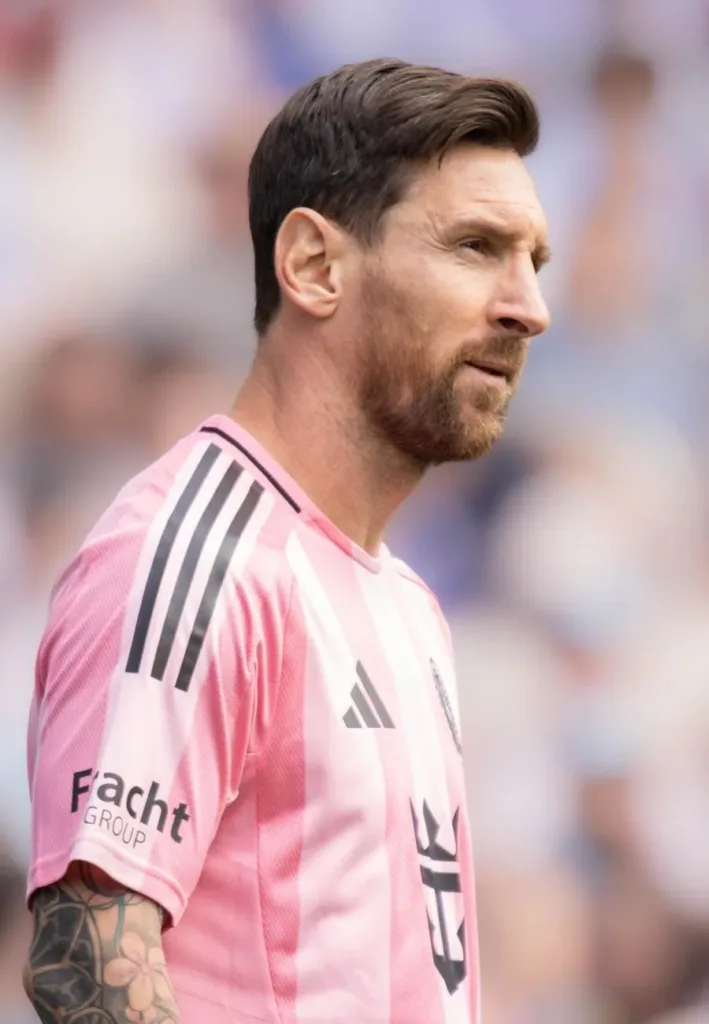
Football has appeared in the prize’s history before. Barcelona recalled the joint honour for Xavi Hernández and Iker Casillas in 2012, as well as recognition for Brazil’s national team in 2002. Messi’s ceremony therefore joins an existing connection between the award and the game, rather than marking the first time football has entered its story.
The relationship between achievement and opportunity is also a theme in our recent look at Arsène Wenger’s youth-development work. The two careers are different, but both raise a useful question for football: how can the experience and influence accumulated at the top of the sport create opportunities beyond one successful team?
A career stretching from Rosario to Miami
The award announcement set Messi’s beginnings in Rosario, where he was born on 24 June 1987 and played in Newell’s Old Boys’ youth setup. His move to Barcelona at 13 brought him into La Masia, before his first-team breakthrough in 2004. Those early steps became the foundation of a long association with the Catalan club.
The Foundation’s career account credited him with 35 Barcelona trophies between 2005 and 2021, including ten league titles and four Champions Leagues. Paris Saint-Germain followed, then Inter Miami. These are distinct chapters, with changing teams and surroundings, and their sequence helps explain why the ceremony carries significance for audiences in several countries rather than one fan base alone.
Inter Miami’s ceremony report connected Friday’s honour to the captain’s more recent club achievements. It listed the 2023 Leagues Cup, 2024 Supporters’ Shield, 2025 MLS Cup and 2026 Campeones Cup. The club presented the Asturias recognition as another substantial moment in his career while emphasising its broader human and social meaning.
In the same report, Messi described his happiness at receiving an award extending beyond sport. That response reflects the distinction at the centre of the occasion: winning a football competition rewards what happens within that competition, while this honour considers a wider body of work. The ceremony did not replace the sporting record; it placed that record in a larger public setting.
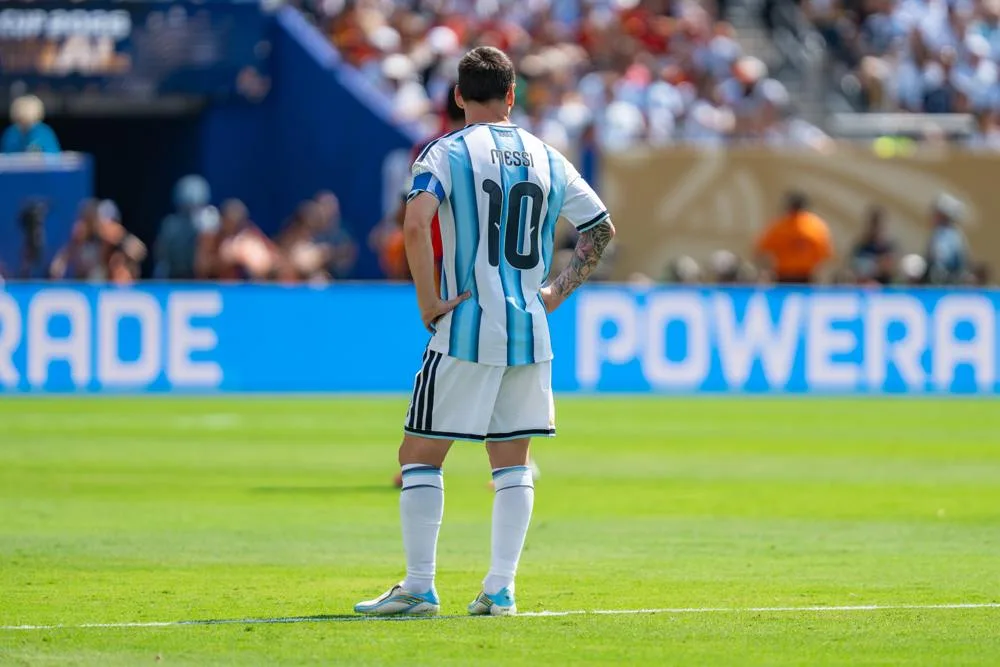
Debates about talent will continue, including the views recalled in our earlier report on Rodri’s assessment of Messi. Friday’s event offered a different focus. It supplied a defined award, an identified jury decision and a public presentation, giving supporters something more concrete to discuss than another round of competing superlatives.
The school programme behind the celebration
The Foundation’s preparations included an educational programme built around Messi’s example. In an announcement published before awards week, it scheduled a meeting with children and young people for 22 October at Oviedo’s Palacio de los Deportes. That notice described the planned event; it should not be treated as an attendance report or an account of what individual pupils said.
More revealing was the school exercise accompanying it. Under the activity titled The Number 10 Game, classes were asked to devise ten rules for a new way of playing football, try them for ten days and assess whether to keep or change them. The stated goals included inclusion, empathy and respect, turning an admired player into the starting point for participation.
The task gave pupils a role beyond watching a star. They had to decide how a game should work, test their choices with others and reflect on the result. That is a practical expression of the values discussed around the award, and a useful reminder that football’s influence can appear in a school activity as well as a professional stadium.
Messi’s arrival in Oviedo brought the attention, but the reasons for the honour explain its lasting interest. The playing record, the emphasis on teammates and the educational aims belong together in this story. For the captain and the supporters following his career, Friday’s ceremony recognised a legacy measured through more than the next fixture.

Isiagu Tobby
Wowplus editorial contributor.