Table of contents
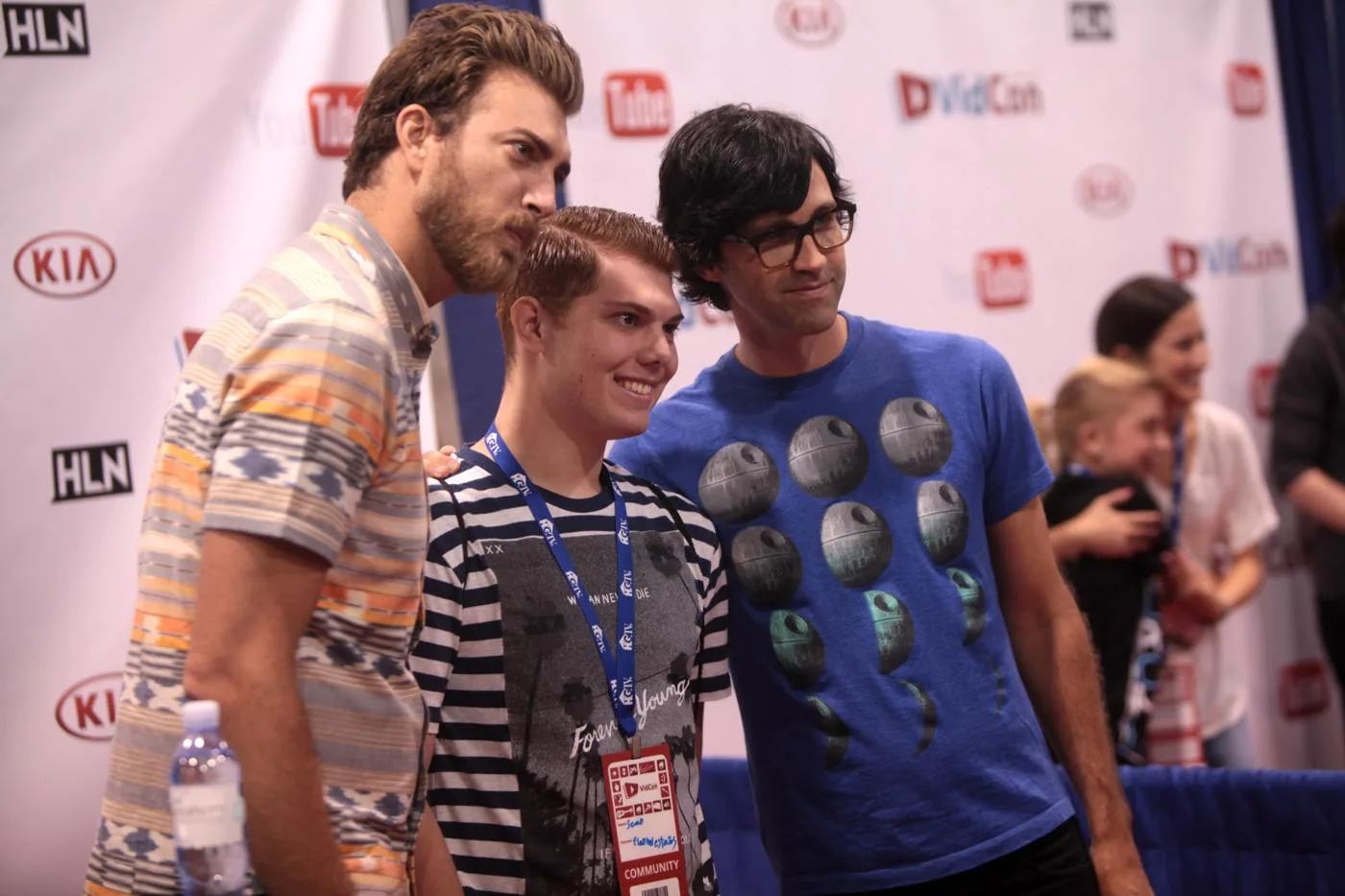
Rhett & Link’s Mythical world now has a place in a museum calendar as well as in viewers’ daily routines. The Smithsonian’s National Museum of American History lists a Good Mythical Morning display opening on 22 October 2026. It brings attention to two familiar online entertainers whose work has grown into books, additional shows and a membership community.
The museum’s October calendar identifies a microphone and two blindfolds collected from Rhett James McLaughlin and Charles Lincoln Neal III in 2024. The listed location is outside Entertainment Nation, on the third floor’s west side. That is the museum’s announced programme; it is not a claim that Wowplus has visited the installation or independently checked its current arrangement.
The objects make sense to anyone familiar with a repeatable online format. A microphone and blindfolds become recognisable because viewers see them used across many episodes. Other creators build recognition differently, as our profile of Marques Brownlee’s reviews, podcasts and production team explores. Here, the shared routine of two hosts is central to the appeal.
Rhett & Link’s Mythical world begins with a familiar desk
The Smithsonian first announced the acquisition of the Good Mythical Morning props in June 2024. Its account dates the show’s launch to 2012 and describes a mixture of trivia, taste tests, games, challenges and guests. The original desk microphone and the blindfolds connect the programme’s recurring activities to physical objects that can be preserved.
That connection is interesting because an online show can otherwise appear to exist only as an endless list of videos. An object gives a curator something more specific to investigate: how a performance was staged, what the hosts used and which details audiences came to recognise. The museum acquisition records a piece of entertainment history without requiring every episode to have the same subject.
Rhett and Link’s partnership also predates the show. The museum’s acquisition announcement records that they met in first grade in Buies Creek, North Carolina. That long association forms part of the public story of the pair. It should not be confused with access to their private lives, or treated as proof that viewers know everything about the people behind the performances.
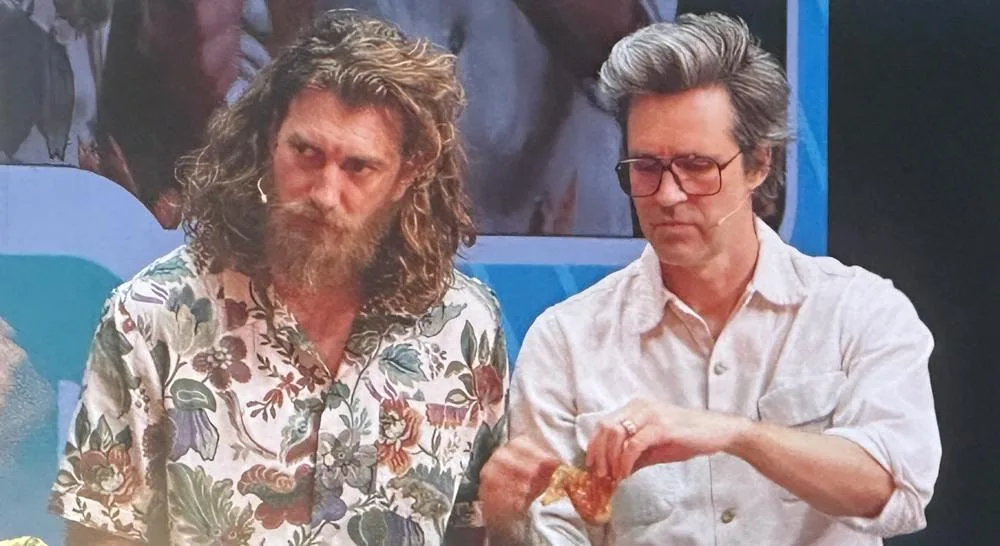
The distinction between the visible host and the larger production matters across online entertainment. Our look at Hank Green and the team behind free learning examines another version of that relationship. A channel can be strongly associated with a person while depending on collaborators, planning and work that happen outside the finished video.
Books and other shows extend the creative identity
The pair’s publishing work demonstrates how the same partnership can move between formats. Penguin Random House dates the hardcover release of Rhett & Link’s Book of Mythicality to 10 October 2017. The publisher describes a combination of friendship stories, photographs and playful activities. That makes it a different kind of encounter from watching a challenge unfold at the familiar desk.
The Lost Causes of Bleak Creek took them into fiction. The publisher lists the ebook’s release on 29 October 2019 and the paperback on 30 June 2020. Its story follows teenagers in an invented North Carolina town in 1992, with a sinister reform school at the centre of the mystery. Those fictional characters and events should not be read as a factual account of the authors’ childhood.
Their Wonderhole website points viewers towards early, advertisement-free access and behind-the-scenes material through the Mythical Society. It shows another route beyond the flagship programme: a separately named project that still connects back to the same creators and community. The existence of those options does not reveal subscriber numbers, production costs or the profitability of any particular show.
Recognisable identity can also travel into work beyond entertainment. Our article on Khaby Lame’s UNICEF role covers a different example of a creator’s public reach. These careers do not follow one formula. Each makes more sense when its actual projects are examined, rather than assuming that a large audience automatically produces the same opportunities.
The membership changes explain the current shape
Mythical Society’s official update FAQ dates its redesigned service to 30 March 2026. It describes a new website and app and a move from three numbered membership degrees to Standard and All Access plans. The stated purpose is to simplify the experience and offer material beyond Good Mythical Morning, including exclusive vlogs and behind-the-scenes content.
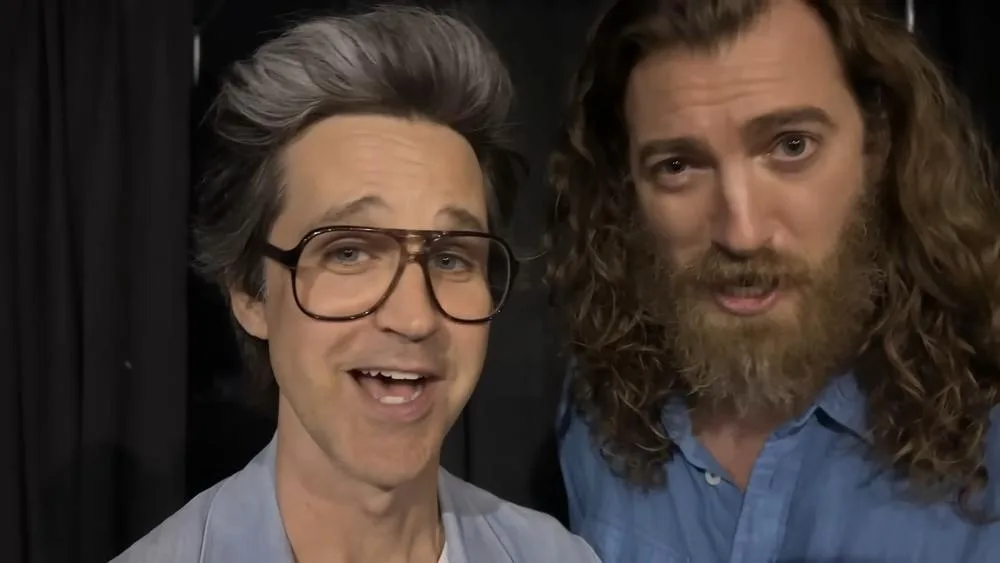
The same FAQ says Good Mythical Morning episodes remain available free on YouTube. That is an important distinction for viewers: a paid membership adds particular benefits rather than being the only route to the main show. Anyone considering a subscription should check the current plan details and terms directly, since benefits and eligibility can change.
Seen together, the museum announcement, the books and the membership service describe a creative operation with several points of entry. Someone may first encounter a taste test, read a novel later and remain interested in the hosts’ other projects. Those are different experiences connected by an established partnership, rather than interchangeable versions of a single video.
The modest-looking props are therefore a useful place to begin. They make the repeatable work behind an online habit visible: a desk, a performance setup and two people returning to an audience. The wider Mythical world has expanded, but understanding it starts with the concrete things the creators have made and the routines viewers have chosen to return to.

Isiagu Tobby
Wowplus editorial contributor.