

Table of contents
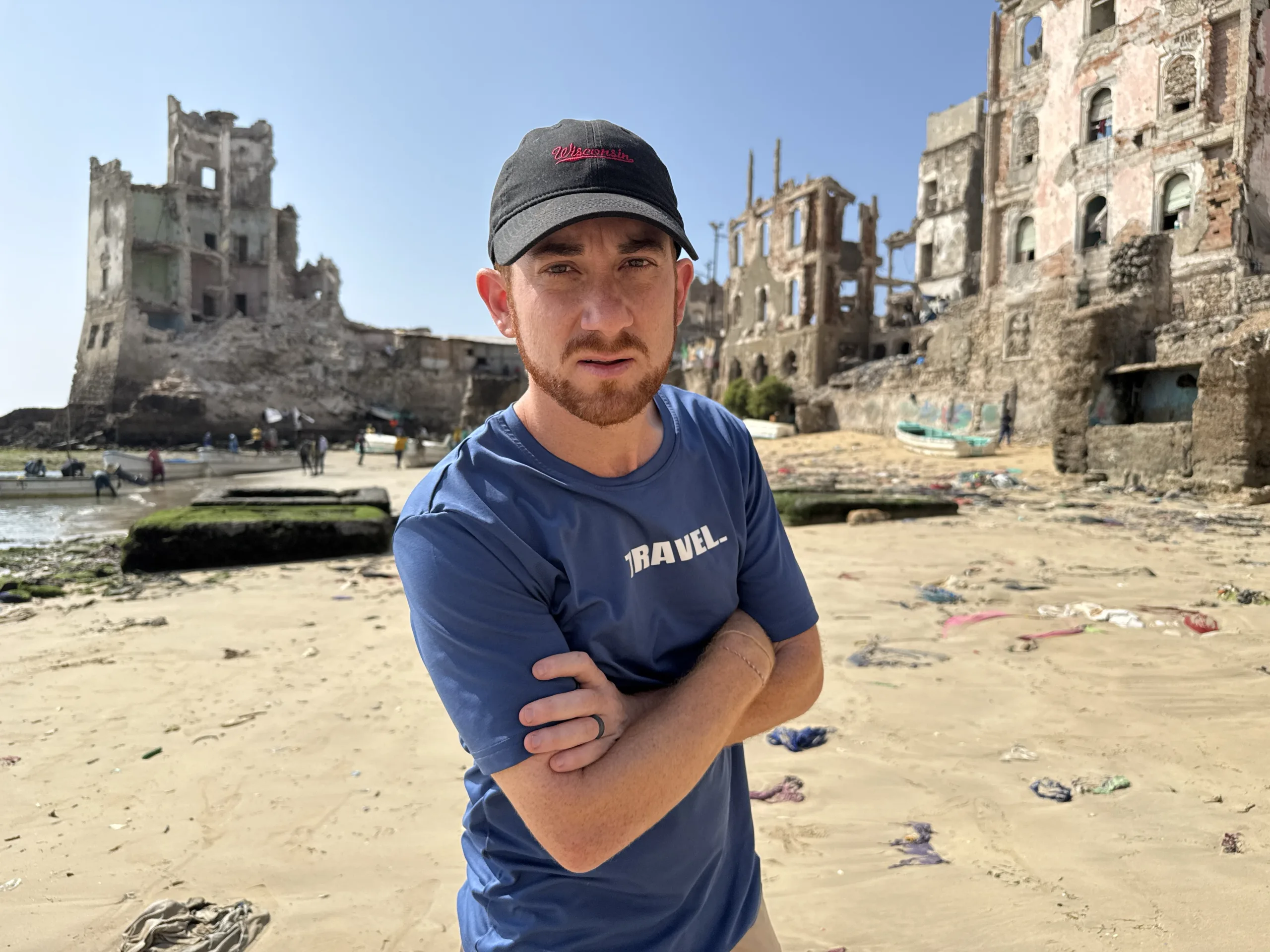
Drew Binsky Netflix launch puts one of YouTube’s best-known travel creators into a new distribution experiment: releasing selected videos on Netflix while continuing to publish on YouTube.
The arrangement begins September 19, 2026, with Binsky bringing a selection of his travel videos to Netflix and posting new uploads there on the same day they appear on YouTube. It is a notable shift because the creator is not abandoning the platform that built his audience. Instead, he is testing whether the same creator-led content can travel across two very different viewing environments.
Tubefilter reported that Binsky is the latest YouTube personality to enter Netflix’s expanding creator-content strategy. The move follows a broader period in which streaming services have shown more interest in creators who already know how to build loyal audiences without traditional television development.
That pattern is already visible across the creator economy. Wowplus recently looked at how IShowSpeed turned livestreaming into a global media business, showing how digital personalities increasingly operate like independent entertainment brands rather than single-platform influencers.
The same-day release model is the most interesting part
Binsky’s deal stands out because Netflix is not simply licensing an old library after the fact. New videos are expected to appear on Netflix on the same date as YouTube, creating a parallel release model that gives viewers a choice of platform without forcing the creator to give up his existing audience.
For a traditional television producer, that kind of arrangement would be unusual because exclusivity has historically been one of streaming’s strongest tools. For creators, however, exclusivity can be risky. YouTube offers discovery, community interaction, comments, subscriptions and a direct relationship with viewers. Moving everything behind a streaming subscription could weaken that connection.
The hybrid model protects both sides. Netflix gets recognizable creator programming that may appeal to younger viewers, while Binsky keeps the platform infrastructure and audience habits that helped build his career.
It also raises a larger question about what counts as a television show in 2026. A creator’s travel video may not follow the same production structure as a traditional documentary series, but audiences increasingly care less about where a program began and more about whether it holds their attention.
Wowplus has also followed the business pressures behind QTCinderella’s large creator events, another example of online personalities building formats that once would have depended on television networks, production companies or event promoters.
Travel content is especially suited to crossing platforms
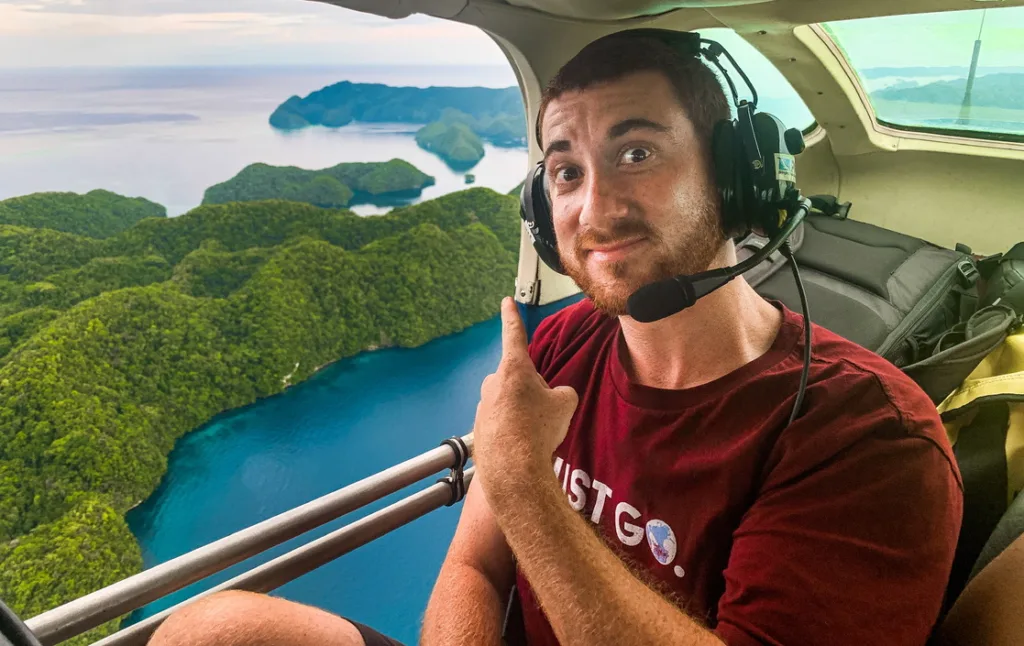
Binsky has built his reputation through international travel, interviews and on-the-ground storytelling. He is widely known for visiting every country in the world, giving his videos a simple premise that can be understood even by viewers who do not already follow him.
That matters for Netflix. A personality-driven livestream can be difficult to drop into a streaming catalog because much of its appeal depends on the creator’s existing community and real-time interaction. Travel videos are easier to package because they already resemble documentary episodes, with a location, a central question and a clear beginning and end.
The format is also highly international. Netflix operates globally, while travel content naturally moves across borders and cultures. A video about a city, community or unusual destination can attract viewers who have never heard of the creator but are interested in the subject.
Binsky therefore gives Netflix something different from a conventional celebrity acquisition. His audience matters, but so does the structure of the content itself. The videos can potentially function both as creator programming and as accessible factual entertainment.
That crossover resembles the way other internet personalities have expanded beyond one content category. Wowplus previously examined KSI’s move from YouTube into boxing and consumer business, a reminder that the most durable creator careers often grow by adding new formats rather than replacing the original one.
Netflix gains proven audiences without building from zero
For streaming services, creator partnerships solve one expensive problem: audience development. Traditional shows can require months of marketing before viewers know why they should care. Creators arrive with millions of people who already recognize their style and are willing to follow them into new formats.
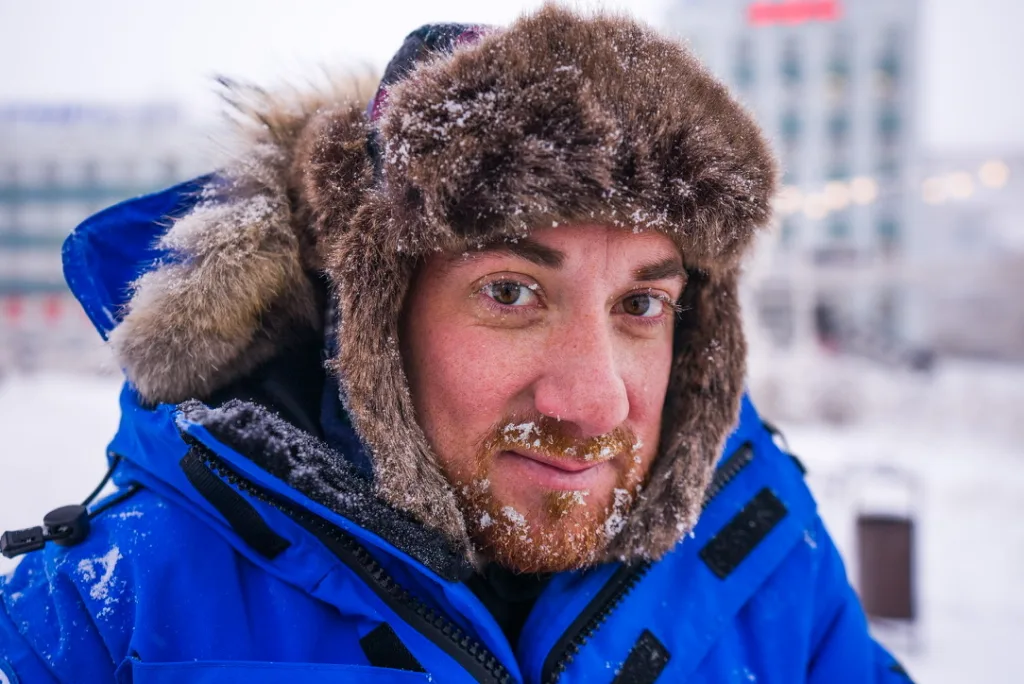
That does not guarantee streaming success. A YouTube subscriber may not watch the same creator on Netflix, especially when the content is available for free elsewhere. The value of the experiment will depend on whether Netflix can introduce Binsky to new viewers rather than simply shifting his existing fans between apps.
The platform may also be learning from creators’ faster production cycles. YouTube channels often publish more frequently than television series and can react quickly to travel opportunities, trends and audience feedback. That flexibility could help streaming services fill gaps between expensive scripted releases.
For creators, however, the benefit is not only a licensing cheque. Appearing on Netflix can expand credibility with audiences, advertisers and production partners who still see streaming television as a different level of mainstream visibility.
The deal could become a template if audiences respond
The most important part of the Drew Binsky arrangement may be what happens after the first group of videos. If the same-day model attracts meaningful viewing without hurting YouTube performance, other creators may see it as a way to gain streaming reach without giving up control of their main channels.
Netflix also gains useful information. It can compare how creator content behaves inside its recommendation system, which subjects travel best, and whether viewers who discover a YouTuber through Netflix move on to more creator-led programming.
There are still limits. Creators need to protect ownership, archive rights and future distribution options when working with large platforms. A deal that increases reach can become restrictive if it prevents a creator from using the same material elsewhere or adapting it into new products.
For now, the Drew Binsky Netflix launch is best understood as a distribution experiment rather than a complete career change. Binsky is not leaving YouTube for television. He is testing whether creator content can live comfortably in both places at once. If that model works, the line between a YouTube channel and a streaming series may become even harder to see.

Isiagu Tobby
Wowplus editorial contributor.