



Table of contents
Federal Government Introduces 1% Presumptive Tax on Informal Sector Businesses
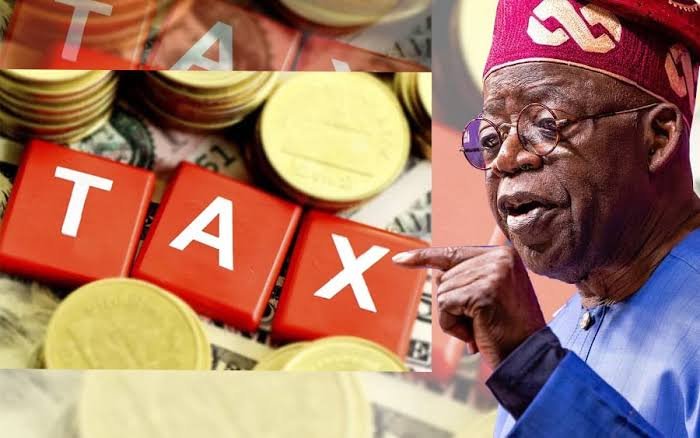
The Federal Government of Nigeria has introduced a 1% presumptive tax on the annual turnover of informal sector businesses as part of a broader effort to expand the country’s tax base.
The new policy targets small businesses operating in Nigeria’s informal economy, including traders, mechanics, tailors, artisans, and other self-employed workers who are not currently part of the formal tax system.
The measure forms part of the 2025/2026 fiscal reform agenda, aimed at improving government revenue generation and bringing more economic activities into the national tax framework.
Also read: VeryDarkMan Warns Tonto Dikeh Over School ‘Deliverance’ Video
What the New Tax Means
Under the new policy, eligible informal businesses will pay 1% of their annual turnover as tax. The system is designed as a presumptive tax, meaning it is based on estimated or simplified income rather than detailed financial records.
This approach is commonly used in many developing economies to simplify tax collection from small businesses that may not keep formal accounting records.
Government officials say the goal is to make tax compliance easier while ensuring that more citizens contribute to national development.
Targeting the Informal Economy
Nigeria’s informal sector represents a large portion of the country’s economic activity. Millions of small businesses operate outside the formal tax structure, including:
- Market traders
- Mechanics and auto technicians
- Tailors and fashion designers
- Barbers and hairdressers
- Artisans and small service providers
By introducing the 1% presumptive tax, the government hopes to widen the tax net without imposing complicated tax procedures on small business owners.
Part of Wider Economic Reforms
The tax policy is part of ongoing economic reforms by the administration of Bola Ahmed Tinubu aimed at strengthening public revenue and reducing dependence on oil earnings.
Officials say improving tax collection from the informal sector could significantly boost government funds for infrastructure, healthcare, education, and social programs.
The reform also aligns with broader efforts to modernize Nigeria’s tax administration and encourage more businesses to gradually transition into the formal economy.
Also read: Lagos Warns Actress Sarah Martins Over Cooking on Public Roads
Concerns From Small Business Owners
While the government says the policy will simplify taxation, some small business operators and analysts have raised concerns about how the tax will be implemented.
Critics argue that many informal workers are already facing economic pressures due to inflation, rising operational costs, and currency instability.
They warn that even a small percentage tax could become an additional burden for low-income entrepreneurs if not properly structured.
Supporters of the reform, however, say that a 1% rate is relatively low compared with conventional tax systems and may encourage fairness by ensuring that more economic participants contribute.
Implementation Details Expected
Authorities are expected to release more information on how the tax will be collected, including:
- Registration requirements for informal businesses
- Methods for estimating annual turnover
- Payment channels and enforcement procedures
Experts say proper implementation will be key to ensuring the policy achieves its intended goals without discouraging small-scale entrepreneurship.
Looking Ahead
The introduction of the presumptive tax marks a significant step in Nigeria’s ongoing effort to reform its tax system and broaden revenue sources.
Also read: Nasboi Criticizes Carter Efe Over Claim That Skit Making Is ‘Dead’
As the policy rolls out, attention will likely focus on how effectively it balances government revenue needs with the realities faced by millions of small businesses that make up the backbone of Nigeria’s informal economy.


Terry Paul
Paul Terry is a publisher and an author in wowplus.net and other news channel